Expert Deadwooding Tree Pruning Techniques for Safer, Healthier Trees in Port Orange
Deadwooding helps prevent up to 43 percent of property damage caused by trees by removing hazardous dead branches before they can fall. Property owners in Port Orange who want healthier, safer trees rely on expert deadwooding to maintain their trees’ structural integrity, boost their longevity, and enhance their curb appeal. This guide explains what deadwooding is, its impact on tree health, the process certified arborists use for safe removal, the best times for this service in Florida’s climate, and the factors influencing cost. You’ll learn how professional tools, industry standards, and post-service care deliver superior results, why deadwooding increases property value, how to spot signs of deadwood, and the concrete benefits of choosing our local arborist service.
What Is Deadwooding and Why Is It Essential for Tree Health?
Deadwooding is the careful removal of dead, dying, or diseased branches to eliminate hazards, stop decay from spreading, and encourage robust growth.
By clearing out compromised limbs, trees can conserve energy and direct resources to healthy tissue. For instance, pruning an infected oak limb prevents fungal spores from spreading throughout the canopy.
Removing deadwood involves:
- Inspecting branch health to identify deadwood.
- Making precise cuts at the branch collar to support the tree’s natural wound-healing process.
- Disinfecting tools between cuts to prevent disease transmission.
These steps ensure that only non-viable wood is removed while preserving the tree’s natural defenses. Proper execution leads to denser foliage, better air circulation, and improved light penetration, all of which boost photosynthesis and root development. Understanding this process highlights how deadwooding is fundamental to overall tree health.
Deadwooding of Trees: Arboricultural Practice for Health and Safety
Pruning practice in arboriculture has been termed “deadwooding” trees, a practice that refers to the removal of dead branches to improve the health, safety, and aesthetics of a tree. This practice is crucial for preventing potential hazards, such as falling branches, and for promoting the overall vitality of the tree.
Arborists and urban foresters support for urban wildlife and habitat sustainability: results of an urban ecology-focused survey of arborists, AJF Martin, 2022
What Does Deadwooding Involve in Tree Pruning?
Deadwooding requires a thorough assessment of branch condition followed by strategic removal. Arborists use bypass loppers and pruning saws to cut dead limbs back to the live tissue at the branch collar, ensuring the cut surface is smooth and flush. Disinfecting blades between cuts prevents cross-contamination of pathogens. This precise approach helps trees recover quickly without leaving stubs that invite decay.
How Does Deadwooding Improve Tree Health and Longevity?
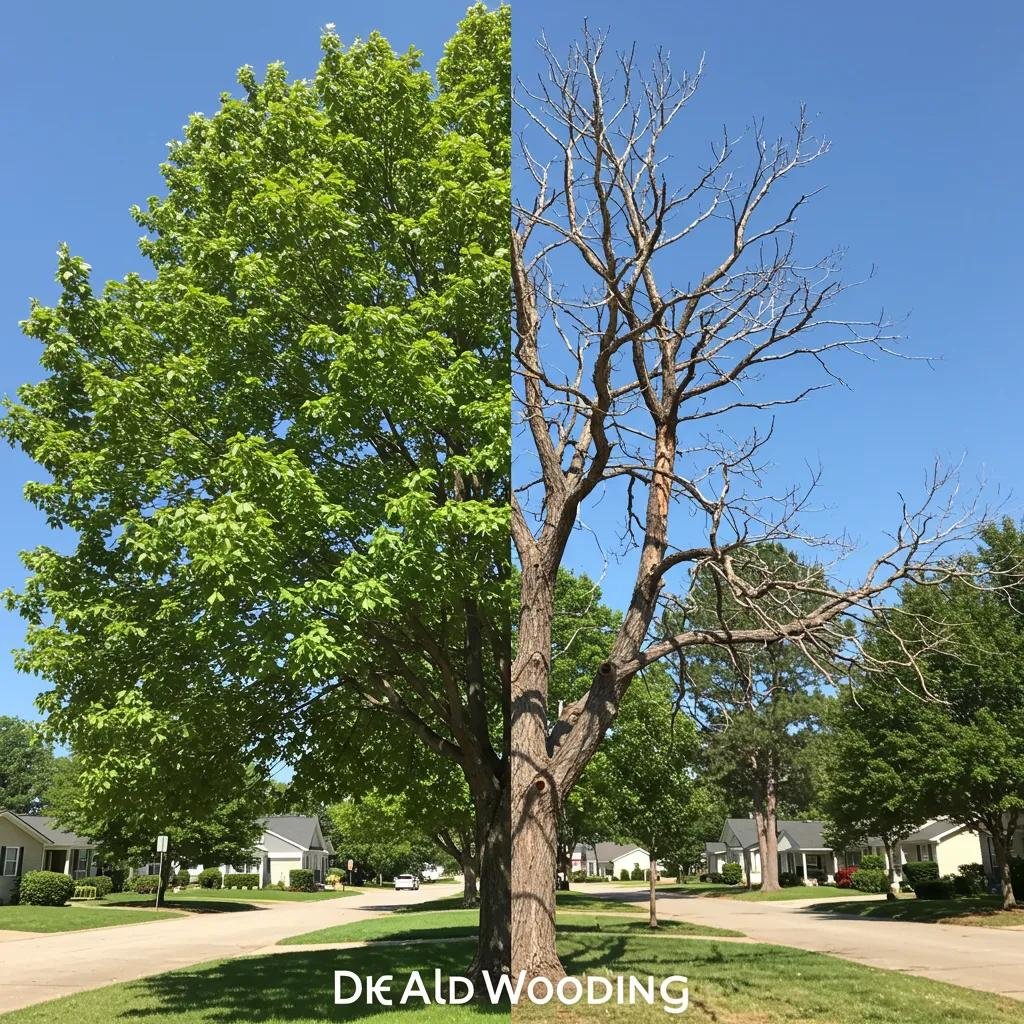
Deadwooding enhances tree health by eliminating breeding grounds for fungi and pests that target decaying wood. Clearing dead branches restores efficient sap flow and reduces competition for nutrients among branches. Healthy trees are less susceptible to secondary infestations and maintain strong structural integrity, which extends their lifespan. Improved pruning fosters balanced canopy architecture and supports long-term vitality.
Why Is Deadwooding Important for Property Safety and Risk Mitigation?
Removing deadwood directly reduces the risk of falling limbs that could injure people or damage roofs and vehicles. In Port Orange, an area prone to hurricanes, preemptively removing vulnerable branches minimizes potential storm damage and insurance claims. Safe deadwooding protects both lives and property by addressing hazards before they become emergencies, and it restores confidence in tree stability.
Arboriculture: Removal of Deadwood for Tree Health and Hazard Prevention
risk due to the presence of such tree features, a common pruning practice in arboriculture has been the removal of deadwood from trees, a term that references the elimination of dead branches to improve the health, safety, and aesthetics of a tree. This practice is crucial for preventing potential hazards, such as falling branches, and for promoting the overall vitality of the tree.
Arborists and urban foresters support for urban wildlife and habitat sustainability: results of an urban ecology-focused survey of arborists, AJF Martin, 2022
What Are the Common Causes of Dead Branches in Port Orange Trees?
Dead branches in Port Orange trees are often caused by:
- Pest infestations that damage the branch’s vascular tissue.
- Fungal and bacterial diseases that compromise bark integrity.
- Severe storms that cause branches to break or sustain water damage.
- Natural aging in mature trees as older limbs lose their vitality.
| Tree Threat | Characteristic | Impact |
|---|---|---|
| Pest Infestation | Vascular girdling by insects | Branch dieback and decay |
| Fungal Disease | Discolouration and fruiting bodies | Nutrient flow disruption |
| Storm Damage | Cracks and limb fractures | Structural weakness and breakage |
| Age-Related Decline | Brittle wood and sparse foliage | Reduced growth and dieback |
These factors leading to branch death highlight the importance of regular inspections and timely deadwooding, which are key components of proper canopy management and help prepare trees for future challenges.
How Do Professional Arborists Perform Deadwooding Safely and Effectively?
What Is the Certified Arborist’s Role in Deadwooding Services?
A certified arborist assesses tree health through visual inspection and advanced tools, identifying all deadwood. This expertise guides pruning decisions to preserve the tree’s natural form and biology. Arborists also evaluate risk areas near structures and public spaces to prioritize cuts and ensure all removals meet safety regulations and client goals.
Which Tools and Techniques Are Used for Precision Deadwood Removal?
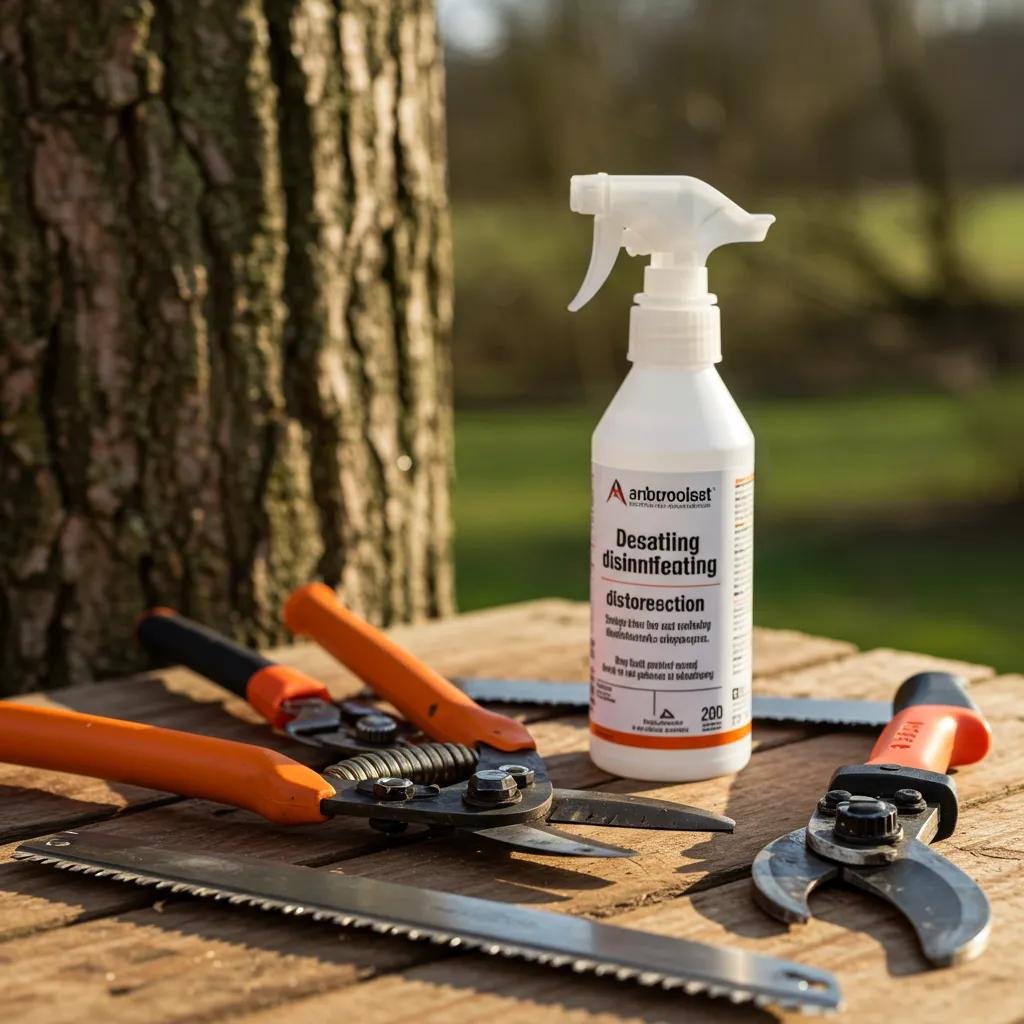
Arborists use high-performance tools designed for clean cuts and minimal tissue damage:
| Tool | Function | Benefit |
|---|---|---|
| Bypass Loppers | Cutting medium-sized branches | Smooth, precise cuts at branch collars |
| Pruning Saws | Removing large dead limbs | Controlled removal with minimal tearing |
| Pole Pruners | Reaching high branches safely | Eliminates ladder hazards |
| Disinfectant Spray | Sanitising blades between cuts | Prevents spread of pathogens |
What Are the Industry Standards for Safe Deadwooding Practices?
Professional arborists follow ANSI A300 standards and ISA Best Management Practices, which provide guidelines for pruning cuts, equipment use, and safety zones. These standards cover pruning seasons, cut angles, tool sanitation, and climber safety, ensuring every service minimizes harm and maximizes tree recovery.
Tree Management: Removal of Deadwood and Bark Patch Grafting for Arborists
Even straightforward maintenance, such as the removal of deadwood, can significantly enhance the health and safety of trees. The application of bark patch grafts offers arborists a technique for addressing damaged areas on trees, which may arise from various causes including disease or mechanical damage.
Street tree planting: Some recipes for success and prescriptions for first aid, Unknown Author, 2019
How Is Post-Deadwooding Cleanup and Tree Care Managed?
After deadwood removal, arborists thoroughly clean up debris and restore the site, leaving the area free of sawdust and branches. They recommend follow-up treatments like mulching and fertilization to support new growth. Ongoing monitoring schedules are established to track the tree’s recovery and address any emerging issues early, maintaining long-term health and appearance.
When Is the Best Time to Deadwood Trees in Port Orange?
Can Deadwooding Be Done Year-Round or Only in Specific Seasons?
Deadwooding can be performed at any time to address immediate safety hazards. However, late winter through early spring, during the tree’s dormant period, is ideal for its healing processes. Pruning during dormancy minimizes sap loss, reduces pest attraction, and speeds up callus formation when active growth resumes.
What Signs Indicate It’s Time to Schedule Deadwooding Services?
Homeowners should look for:
- Branches that have no leaves while nearby limbs are still foliated.
- Wood that is brittle and snaps easily under light pressure.
- Fungal growths, such as shelf mushrooms, on bark surfaces.
- Cankers or sunken areas that suggest internal rot.
These visual cues indicate compromised limbs that require prompt professional attention to prevent further damage.
How Does Deadwooding Prepare Trees for Florida’s Hurricane Season?
By removing vulnerable deadwood before storm season, arborists reduce the risk of branches breaking when high winds buffet the canopies. Clearing decayed limbs improves the canopy’s aerodynamic shape, allowing winds to pass through more easily and reducing the chance of uprooting or structural collapse during severe weather.
What Are the Key Benefits of Deadwooding for Property Owners in Port Orange?
How Does Deadwooding Enhance Property Aesthetics and Curb Appeal?
Pruning away lifeless limbs instantly refines the canopy’s shape, creating a neat, balanced appearance. Well-maintained trees frame homes beautifully, improve landscape harmony, and signal careful property management, leaving a positive impression on visitors and potential buyers.
In What Ways Does Deadwooding Increase Property Value?
Professional deadwooding can increase property value by 7–19 percent by showcasing healthy, robust trees. Buyers perceive well-kept landscapes as indicators of overall home maintenance, which can lead to higher offers and quicker sales.
How Does Deadwooding Reduce the Risk of Property Damage and Injury?
Clearing decaying branches removes hidden hazards that could fall unexpectedly. This proactive service lowers liability exposure, protects vehicles, roofs, and walkways, and provides peace of mind during everyday activities and severe weather events.
| Benefit | Mechanism | Impact |
|---|---|---|
| Hazard Prevention | Elimination of structurally weak limbs | Reduced risk of falling branch incidents |
| Value Enhancement | Healthier canopy appearance | Increased real estate appraisal |
| Growth Promotion | Redirected nutrients to viable tissues | Vigorous shoot and root development |
| Longevity Extension | Arrest of decay progression | Extended lifespan of mature trees |
These advantages highlight why deadwooding is a crucial investment for both tree health and property value.
How Much Does Professional Deadwooding and Tree Pruning Cost in Port Orange?
What Factors Influence the Cost of Deadwooding Services?
Costs vary depending on:
- Tree height and canopy spread, which may require specialized equipment.
- The amount of deadwood and how difficult it is to access.
- Site conditions, such as proximity to structures or power lines.
- The certification and experience level of the arborist team.
How Does Hiring a Local Arborist for Deadwood Removal Provide Value?
Local arborists possess in-depth knowledge of Port Orange’s tree species and climate conditions. This familiarity ensures precise timing, effective pest and disease identification, and streamlined logistics, leading to efficient and reliable service at competitive prices.
Are Free Consultations or Quotes Available for Deadwooding Services?
Many tree care providers offer complimentary on-site assessments and no-obligation quotes. These consultations include evaluations of branch health, risk assessments, and clear pricing estimates, allowing homeowners to plan with confidence.
How Can Property Owners Identify Dead Branches and Understand Tree Pruning Techniques?
What Are the Visual Signs of Dead or Dying Branches?
Deadwood typically shows:
- Bark discolouration, ranging from pale grey to dark brown.
- Wood that is splintered or crumbly to the touch.
- A lack of leaf buds during the normal growing season.
- The presence of fungal fruiting bodies along the branch surfaces.
What Are Common Tree Pruning Techniques Related to Deadwooding?
Professional pruning often includes:
- Crown thinning to reduce branch density and lighten the canopy’s weight.
- Crown reduction to decrease the tree’s overall height and spread.
- Formative pruning of young trees to establish a strong branch structure.
How Does Proper Pruning Support Overall Plant Health Care?
Proper pruning creates open canopies that allow rainwater penetration and air circulation, which helps prevent fungal growth. A balanced branch structure withstands storms better and makes inspections easier, supporting integrated pest management and nutrient distribution.
Why Choose Treeserviceportorange.com for Deadwooding and Tree Pruning in Port Orange?
What Certifications and Experience Do Our Arborists Have?
Our team includes ISA-certified arborists with decades of combined experience caring for Florida’s unique tree species and addressing local pest and disease challenges. Continuous training in ANSI A300 standards ensures every pruning decision reflects the latest best practices.
How Do Our Deadwooding Services Ensure Safety and Customer Satisfaction?
We use industry-grade safety equipment, follow strict ground-crew protocols, and perform thorough site cleanup. Client feedback consistently praises our professionalism, punctuality, and clear communication throughout every project.
How Can You Book a Consultation or Service with Our Local Arborists?
Requesting a consultation is simple: contact our office by phone or email to schedule an on-site assessment. Our arborist will provide a detailed report, cost estimate, and a customized service plan tailored to your property’s specific needs.
Investing in professional deadwooding preserves your trees’ health, protects your property, and enhances its aesthetic appeal. Partner with a certified local arborist to safeguard your investment and enjoy vibrant, beautiful trees for years to come.