Diagnosing and Managing Tree Diseases: A Homeowner's Guide
Early detection of tree disease and structural problems preserves safety, property value, and the long-term health of landscape trees. This guide explains what makes a tree “sick,” how visible symptoms reveal underlying pathology, and why timely diagnosis matters for homeowners in Port Orange and Volusia County. You will learn to recognize common signs across leaves, bark, branches, roots, and the canopy, compare regional diseases such as oak wilt and Ganoderma root rot, and follow step-by-step inspection methods to triage problems. Practical next steps—from short DIY checks to when to request professional assessment or emergency removal—are included to help you act with confidence. The article is organized into clear sections: common symptoms, localized disease profiles, decision rules for calling a professional arborist, prevention and management strategies, a homeowner diagnostic how-to, FAQs, and species-specific vulnerabilities in the Port Orange area. Throughout, key terms like signs of tree disease, sick tree signs, and when to call an arborist for tree disease are integrated so you can quickly find the information you need.
What Are the Common Symptoms of Tree Disease and Problems?
Common symptoms of tree disease are visible signals the tree uses to communicate stress, infection, or structural failure, and they occur in leaves, bark, branches, roots, and the canopy. These symptoms arise because pathogens, pests, or environmental stressors interrupt water and nutrient flow, damage tissues, or weaken structural integrity, producing recognizable patterns that guide diagnosis. Recognizing early signs lets a homeowner decide whether simple cultural fixes will help or whether professional testing is needed. Below are primary observable symptoms to watch for and simple checks you can perform; the following subsections break these down by tree part so you can target your inspection.
Leaf- and canopy-level symptoms are often the first clues most homeowners notice:
- Discolored leaves that are uniformly yellow, mottled, or with distinct spotting.
- Sudden wilting or widespread leaf drop across parts of the crown.
- Progressive canopy thinning or isolated branch dieback.
These visible patterns lead into a closer look at specific tree parts to refine likely causes and next steps.
How to Recognize Leaf Discoloration and Wilting as Signs of Tree Stress
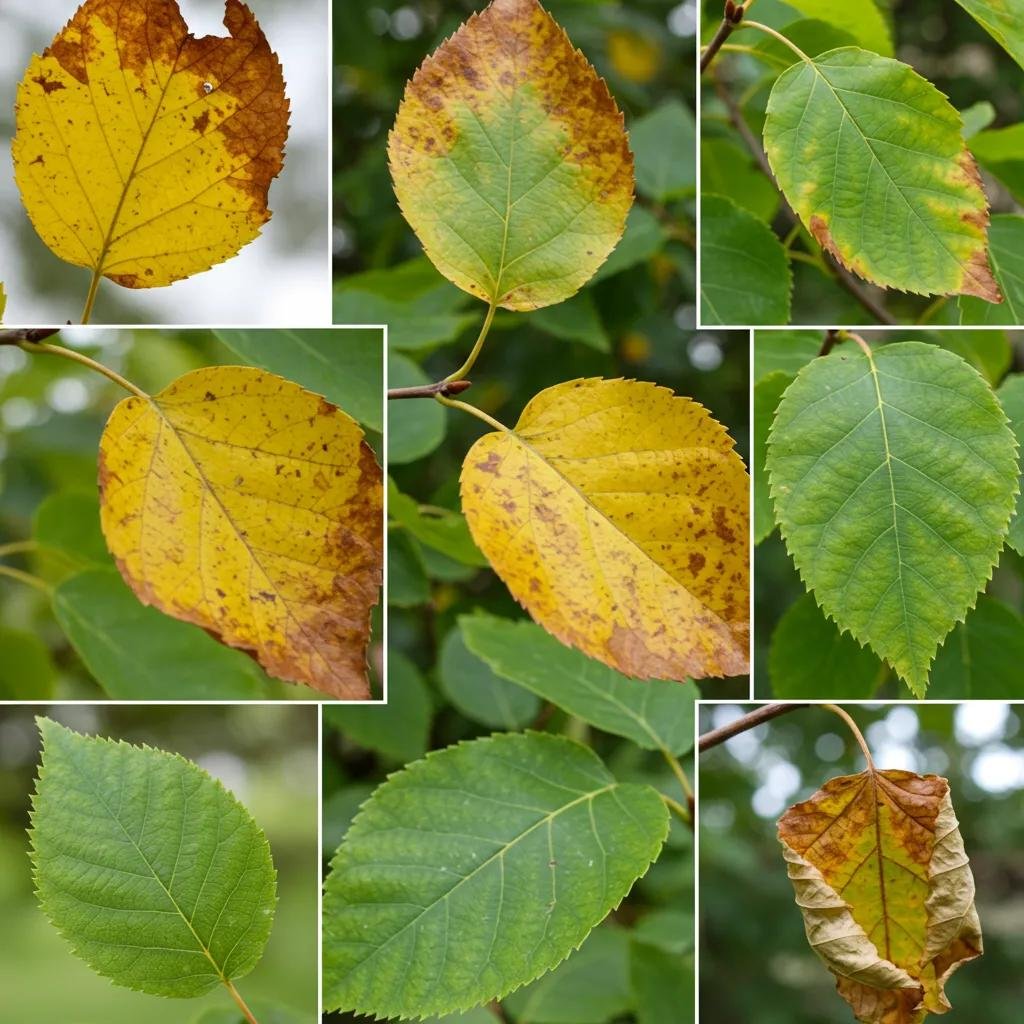
Leaf discoloration and wilting are definitive visual cues that water transport, nutrient balance, or leaf tissues are compromised, and they often indicate either abiotic stress or a biotic disease. Yellowing across the whole crown commonly points to root or vascular problems, while mottled or vein-restricted discoloration may indicate nutrient deficiency, viral pathogens, or insect feeding; spotting and irregular blotches usually point to fungal leaf-spot diseases. Wilting that affects entire branches or one side of the crown suggests vascular obstruction such as root rot or a systemic wilt disease, whereas isolated leaf curling after drought suggests reversible water stress. Use this symptom guidance to photograph patterns and note whether symptoms are uniform or patchy before moving to a bark and trunk inspection.
What Bark and Trunk Issues Indicate Tree Disease?
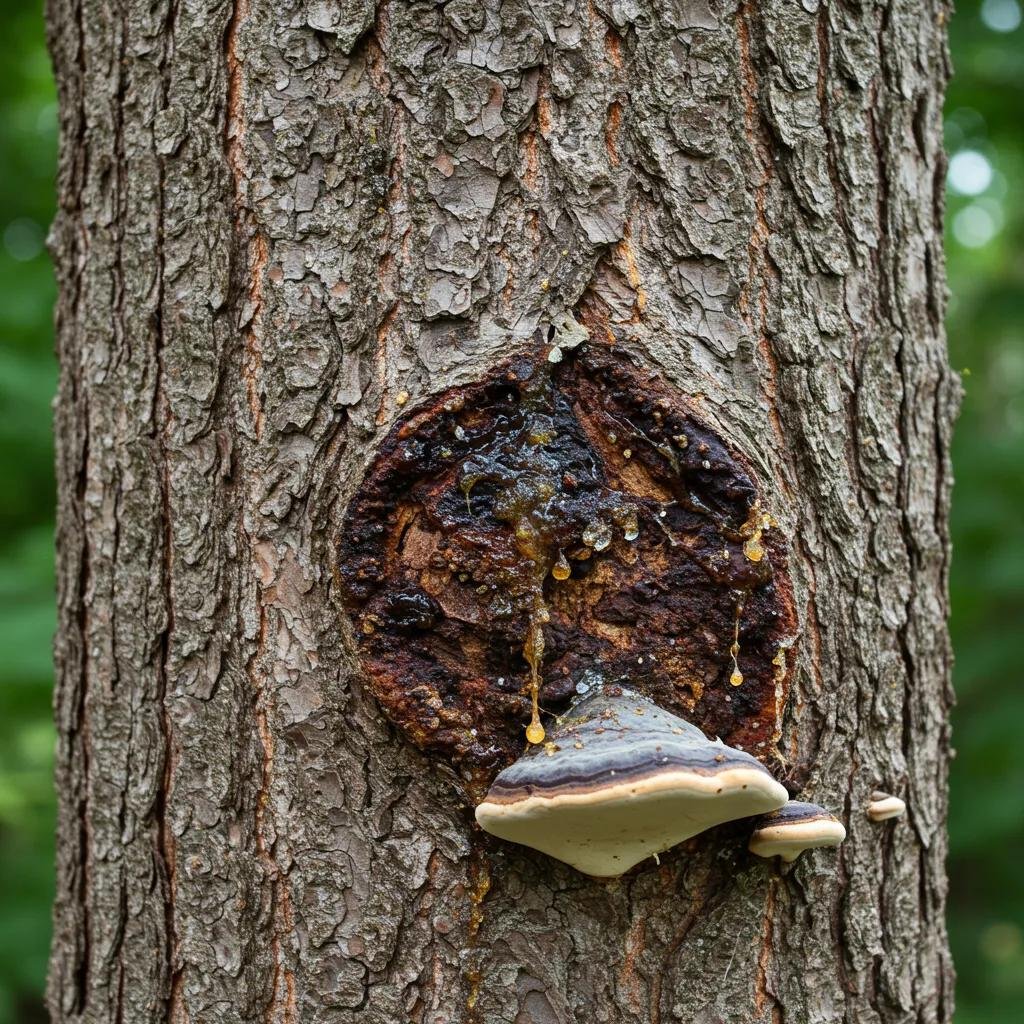
Bark and trunk symptoms—including cankers, oozing sap, sunken lesions, and fungal conks—directly reflect cambial or structural decline and often signal advanced or localized infections. Cankers appear as sunken or discolored patches where bark is dead; oozing sap combined with staining may indicate insect activity or bacterial infection; and the presence of bracket fungi or conks typically means internal wood decay and reduced structural strength. Bark splitting or abnormal peeling can result from environmental stress such as sunscald, but when paired with crown decline it usually signals pathology. Inspecting the trunk and noting fungal fruiting bodies is essential because these signs often determine whether a tree can be salvaged or needs removal; next we explore canopy dieback and branch failure risk.
How Do Dead Branches and Canopy Dieback Signal Tree Health Decline?
Dead branches and progressive canopy dieback are external indicators that the tree’s vascular system or root system is compromised, and the pattern of dieback helps identify whether the cause is localized or systemic. Isolated dead limbs with otherwise healthy foliage may be due to storm damage or pests and are often prunable, whereas generalized thinning from the top down suggests root or vascular disease such as oak wilt or chronic stress like poor drainage. Sudden limb failure or large dead sections increase the hazard to people and structures and escalate the need for professional assessment. Assess the distribution of dead wood and then inspect the root collar and soil because root-origin problems often manifest as crown decline, which we examine next.
What Root and Soil Problems Affect Tree Vitality?
Root and soil issues—including root rot, soil compaction, poor drainage, and girdling roots—impede water and nutrient uptake and show above ground as stunted growth, chlorosis, and canopy thinning. Mushrooms or conks at the tree base are a red flag for root or butt decay, while soggy soils and standing water increase risk of Phytophthora and other root pathogens. Girdling roots slowly strangle the conductive tissues and produce decline that starts subtly, so a root collar inspection is a practical homeowner check for swelling, decay, or girdling. Safe probing and observation of soil moisture and feeder root density help triage whether remediation or professional root testing is needed.
How to Identify Common Tree Pests and Their Impact on Tree Health?
Insect pests leave clear signs such as exit holes, frass (sawdust), webbing, leaf skeletonizing, or sticky honeydew that indicate feeding and, in many cases, vector transmission of disease. Borers and bark beetles create galleries that interrupt xylem and phloem flow, while sap-sucking insects like scale and aphids weaken trees and increase susceptibility to fungal infections. Pest outbreaks can precede or follow disease events, so documenting the type of damage, life stages observed, and spread pattern is key to effective management. If pest signs accompany rapid canopy decline or unusual fungal growth, professional integrated pest management and diagnostic support are the logical next step.
Which Common Tree Diseases Affect Trees in Port Orange and Volusia County?
Trees in Port Orange and Volusia County face a mix of fungal, bacterial, and pest-associated diseases adapted to Florida’s warm, humid climate; common serious issues include oak wilt, laurel wilt, Ganoderma root rot, lethal yellowing in palms, anthracnose, powdery mildew, and various canker diseases. Each disease has characteristic symptom patterns, transmission pathways, and typical host species, so recognizing those combinations improves diagnostic accuracy and response speed. Below is a quick-reference disease comparison table that summarizes symptoms, causes, affected species, and recommended homeowner vs professional actions to help prioritize responses.
The following table compares local disease profiles and immediate homeowner actions:
| Disease | Common Symptoms | Primary Cause | Typical Affected Species | Recommended Action |
|---|---|---|---|---|
| Oak Wilt | Rapid leaf wilting, discoloration, branch flagging | Fungal (Ceratocystis) spread via root grafts/insects | Live oaks | Avoid pruning in high-risk months; call arborist for root/vascular testing |
| Laurel Wilt | Rapid wilt and death, dark streaks in sapwood | Fungal vectored by ambrosia beetles | Redbay, avocado, some laurel relatives | Report suspect trees; isolate and remove to limit spread |
| Ganoderma Root Rot | Conks at base, progressive crown decline, structural decay | Wood-decay fungus | Palms, oaks, other natives | Professional structural assessment; removal often recommended |
| Lethal Yellowing | Palm yellowing, flower/fruit drop, collapse | Phytoplasma (vector-transmitted) | Palms | Quick removal of heavily affected palms to reduce vector host sites |
| Anthracnose | Irregular leaf spots, defoliation in wet seasons | Fungal | Maples, oaks, sycamores | Improve sanitation and moisture management; fungicide if severe |
| Powdery Mildew | White powdery leaf coating, distortion | Fungal | Many ornamentals | Cultural controls, pruning for airflow; targeted treatments |
This comparison provides an initial triage framework: note symptoms, isolate affected material, and escalate to professional evaluation when structural risk or rapid decline occurs. The next subsections describe diagnostics and control cues for several of these diseases.
What Are the Symptoms and Causes of Oak Wilt and Laurel Wilt?
Oak wilt and laurel wilt both cause rapid canopy decline but differ in host range and spread mechanisms; oak wilt typically moves through root grafts or beetle vectors and causes leaf bronzing and branch flagging, while laurel wilt is usually vectored by ambrosia beetles and results in quick wilting and tree death. Oak wilt often presents as uniform discoloration on leaves before rapid branch death, and infected trees may show vascular staining when cut. Laurel wilt progresses rapidly in susceptible laurel-family species and can kill trees within months after initial symptoms. Preventive measures include avoiding pruning during peak vector activity and seeking professional diagnosis when wilt symptoms appear.
How to Identify Ganoderma Root Rot and Lethal Yellowing in Florida Trees?
Ganoderma root rot produces woody conks or bracket fungi at the trunk base, along with steady crown thinning and sometimes sudden failure due to structural decay; these visible fruiting bodies signal internal wood degradation. Lethal yellowing affects palms and manifests as progressive yellowing of fronds, premature fruit or flower drop, and eventual crown collapse; the disease is associated with phytoplasma pathogens and insect vectors. For Ganoderma, structural assessment and often removal are recommended because internal decay undermines safety; for lethal yellowing, removal of severely affected palms is common to reduce vector reservoirs and protect nearby palms.
The significant economic impact of Ganoderma root rot, particularly in the palm oil industry, highlights the importance of understanding its diagnosis and management.
Ganoderma Root Rot: Diagnosis and Management Strategies
Ganoderma lucidum: Insights on host range, diagnosis, and management strategies. This paper discusses the modes of infection and transmission of Ganoderma boninense and suggests techniques for its early detection. Additionally, the paper proposes some possible ways of controlling the disease. Such measures, if implemented, could contribute significantly to the sustainability of the palm oil industry in South East Asia. Fungi which rot and eventually kill oil palm trees may be costing some South East Asian countries US$500 million a year. Indonesia and Malaysia jointly produce 84% of the world’s total palm oil. It has been reported that the economic loss caused by this pathogen is between RM225 million to RM1.5 billion (up to 500 million USD) a year.
Ganoderma lucidum: Insights on host range, diagnosis, and management strategies, A Tapwal, 2024
What Are the Signs of Anthracnose and Powdery Mildew on Local Tree Species?
Anthracnose shows as irregular brown or black leaf spots, sometimes with leaf twisting or early defoliation during humid spring conditions; it thrives where wetness and cool nights favor sporulation. Powdery mildew appears as a white, powdery coating on leaf surfaces, often causing distortion and reduced photosynthesis, and is common on many ornamentals and shade trees under dry days with humid nights. Both are surface fungal diseases where cultural practices (improving air flow, sanitation, and reducing overhead watering) reduce severity; targeted fungicide treatments may be warranted for high-value specimens.
How Do Canker Diseases Manifest on Tree Bark and Branches?
Canker diseases form localized sunken lesions, cracked bark, and dieback of branches originating at the lesion; active cankers may ooze or exhibit callus formation at margins, while older cankers become dry, sunken scars. These lesions interrupt vascular flow to limbs and can weaken structural branches, increasing failure risk during storms. Management often involves pruning out affected limbs to sound tissue and improving tree vigor; however, recurrent or large trunk cankers often lead to removal recommendations due to progressive structural compromise.
When Should You Call a Professional Arborist for Tree Disease Diagnosis?
Call a professional arborist when symptoms suggest rapid decline, structural risk, complex root or vascular disease, or when safety is at stake; early involvement improves salvage chances and reduces hazard. A professional assessment provides a diagnosis, recommended treatment or removal options, and a costed plan that may include monitoring, pruning, injections, or removal and stump grinding if necessary.
Knowing clear thresholds for escalation helps homeowners avoid delaying action until a tree becomes hazardous or non-recoverable. Below is a prioritized checklist of scenarios that should trigger a prompt arborist consultation.
Homeowners should contact an arborist under these circumstances:
- Rapid dieback across large portions of the crown that develops over days to weeks.
- Fruiting bodies or large conks at the base of the tree suggesting internal decay.
- New, significant lean or large cracks/splits in trunk or major limbs indicating imminent failure.
- Root collar decay, soil heave, or persistent waterlogging with associated canopy decline.
- Disease affecting multiple neighboring trees especially when a contagious pathogen is suspected.
This checklist clarifies when expert diagnosis is necessary and leads naturally into what a full tree health assessment includes.
What Are the Early Warning Signs That Require Expert Tree Health Assessment?
Early warning signs warranting expert analysis include sudden canopy dieback, the appearance of fungal conks at the base, new or rapidly enlarging trunk cracks, and unexplained root collar changes such as swelling or decay. These signs suggest a breakdown in structural integrity or conductive tissues and often require tools and tests beyond homeowner capability, such as resistograph testing, decay sounding, or root excavation. Detecting these problems early gives professionals more options for treatment or stabilization. Understanding assessment components helps homeowners set realistic expectations, which the next subsection outlines.
How Does a Tree Health Assessment Lead to Effective Treatment?
A professional tree health assessment combines systematic visual inspection with targeted tools and tests—including decay detection, soil analysis, and pest sampling—to produce a clear diagnosis and a prioritized treatment plan. The assessment explains options such as targeted pruning, soil and root remediation, biological or chemical treatments, or safe removal when necessary, and delivers an estimate so homeowners can compare choices. Assessments also document hazard conditions for insurance or permitting needs and recommend monitoring schedules. This diagnostic-to-treatment pathway explains why professional input often changes outcomes compared with ad-hoc homeowner fixes.
What Emergency Tree Services Are Available for Hazardous Sick Trees?
Emergency tree services address imminent threats by rapidly securing the scene, mitigating hazards, and performing staged removals to protect people and property while minimizing further damage. Typical emergency responses include emergency stabilization, prioritized limb removal, and quick mobilization outside normal business hours when a tree poses immediate danger. These services reduce immediate risk and provide short-term safe outcomes while a comprehensive health evaluation determines long-term plans. If a tree is actively failing or threatening structures, seeking emergency intervention is the next necessary step.
For homeowners who need professional help quickly, Volusia Bobcat & Tree Service LLC offers Tree Health Assessment services along with 24/7 emergency response, tree removal, tree trimming, and stump grinding; they provide free estimates to help you decide the safest, most cost-effective solution. After identifying urgent hazards or complex diseases in this section, contacting a local provider for assessment or emergency mitigation can prevent property damage and protect neighboring trees. This local-service option is intended as a practical next step after the diagnostic guidance above.
How Can You Prevent and Manage Tree Diseases to Protect Your Property?
Preventing and managing tree diseases combines sound cultural practices, timely mechanical interventions like pruning, and professional treatments when necessary to maintain vigor and limit pathogen spread. Effective prevention focuses on correct planting, optimal watering, mulching practices, periodic inspections, and sanitation to remove infected material. When disease is detected, response options include targeted pruning, integrating pest control, corrective soil and root work, and, when unsalvageable, removal and stump grinding to prevent reinfection. The table below summarizes preventive measures, target problems, recommended frequency, and expected benefits to help homeowners design a maintenance plan.
| Preventive Measure | Target Problem | Frequency/Timing | Expected Benefit |
|---|---|---|---|
| Proper watering & mulching | Drought stress, root decline | As needed; adjust seasonally | Improved root function and drought resilience |
| Sanitary pruning & tool sanitation | Limit spread of fungal/bacterial pathogens | Prune when necessary; disinfect tools between cuts | Reduced infection transmission |
| Soil amendment & aeration | Compaction, nutrient deficiency | Annually or per soil test | Better root growth and nutrient uptake |
| Regular inspections & monitoring | Early detection of pests/disease | Twice yearly or after storms | Early treatment options and hazard reduction |
| Timely stump grinding & removal | Reservoirs for decay and pests | Upon removal of infected trees | Reduced reinfection risk for nearby trees |
This comparison shows how consistent maintenance reduces disease risk and extends tree longevity, and it sets the stage for specific best practices explained below. At the end of the subsection we describe how local services can support these preventive steps.
What Are Effective Tree Care Practices to Prevent Disease?
Effective tree care centers on maintaining root-zone health, avoiding unnecessary wounds, and promoting good canopy structure through correct pruning and mulching techniques. Key practices include deep, infrequent watering to encourage deep rooting, mulching to stabilize soil moisture and temperature, and avoiding mechanical damage from equipment that can create infection entry points. Regular soil testing and targeted nutrient management correct deficiencies that otherwise predispose trees to disease. These cultural controls establish tree vigor so the tree can better resist pathogens and pests, and regular seasonal inspections will catch problems early.
How Does Timely Tree Trimming Help Control Disease Spread?
Timely and sanitary pruning removes infected limbs before pathogens spread, improves air circulation through the crown to reduce fungal sporulation, and corrects structural defects that could create stress points vulnerable to disease. Proper timing matters: avoid major pruning during peak vector activity or when wounds heal poorly, and always disinfect tools between cuts when disease is present to prevent cross-contamination. Professional trimming typically follows wound-reduction and structural-pruning principles that minimize large cuts and encourage fast closure, which differs from improper DIY pruning that can increase risk. Good pruning practices therefore both preserve tree health and reduce the need for more invasive treatments later.
When Is Tree Removal Necessary to Protect Surrounding Trees?
Removal becomes necessary when a tree shows irreversible structural decay, sustained systemic infection, or presents an immediate hazard to people, buildings, or other valuable trees, particularly if a contagious pathogen threatens nearby specimens. Signs that indicate removal include extensive trunk decay, persistent root rot with structural compromise, or disease that cannot be contained and continues to infect adjacent trees. Ethical and environmental considerations include proper disposal and stump grinding to limit pest habitat and replanting with resistant species when appropriate. If removal is chosen, post-removal site management mitigates erosion and supports replacement planting that reduces future risks.
What Role Does Pest Control Play in Maintaining Tree Health?
Pest control reduces vectors and population pressures that introduce or exacerbate diseases, and integrates with cultural and biological controls to form an effective management strategy. Integrated pest management involves monitoring, threshold-based treatments, targeted chemical or biological controls when necessary, and coordination between arborists and licensed pest control professionals for complex infestations. Examples include controlling ambrosia beetle activity to limit laurel wilt spread or managing scale to reduce stress and disease susceptibility. Professional diagnosis ensures treatments are specific to the pest and disease cycle, minimizing unnecessary interventions and preserving beneficial organisms.
At the conclusion of these preventive options, homeowners seeking hands-on support can work with Volusia Bobcat & Tree Service LLC for timely trimming, stump grinding, and coordination with pest control specialists; they provide free estimates to help plan preventive schedules and local expertise in Port Orange and Volusia County to prioritize species and timing.
How to Diagnose Specific Tree Symptoms: A Step-by-Step Guide for Homeowners
A systematic inspection workflow helps homeowners gather the critical evidence professionals need to diagnose problems and decide on action; follow a consistent sequence: observe the canopy, inspect leaves, examine bark and trunk, check the root collar and soil, and document pests or fruiting bodies. This stepwise approach reduces diagnostic ambiguity by focusing on symptom patterns and distribution rather than isolated signs, and photographing each stage creates a record for remote consultation. Use safe probing and avoid heavy root excavation unless advised, and keep a log of when symptoms started to help identify trends. The following numbered steps give a practical how-to that homeowners can follow before escalating to professional assessment.
- Survey the crown for thinning, dieback, or asymmetric decline and photograph from multiple angles.
- Inspect leaves closely for discoloration patterns, spotting, or insect damage and note whether symptoms are across the crown or localized.
- Examine trunk and bark for cankers, oozing sap, splits, or fungal conks and document their size and location.
- Check the root collar and soil for mushrooms at the base, soggy conditions, or signs of girdling roots and lightly probe for feeder root health.
Following these steps yields a clear case file you can present to an arborist; the next table helps triage common symptom-to-cause possibilities.
| Symptom | Possible Cause(s) | Quick DIY Checks | When to Call an Arborist |
|---|---|---|---|
| Uniform yellowing of crown | Root rot, nutrient deficiency, poor drainage | Check soil moisture, look for mushrooms at base | If widespread or persistent after watering adjustments |
| Isolated branch dieback | Borers, localized canker, storm damage | Scratch bark, look for frass or entry holes | If multiple branches or structural risk |
| Fungal conks at trunk base | Ganoderma/wood decay | Photograph conks, tap trunk for hollowness | Immediately for structural assessment |
| Leaf spotting | Anthracnose, bacterial leaf spot, insect damage | Inspect lower and upper leaf surfaces | If defoliation increases rapidly |
Using this triage, homeowners can decide whether DIY sanitation and cultural fixes are appropriate or whether to schedule professional testing and treatment. When DIY stops and professionals start: homeowners should recognize the limits of safe inspection—climbing, heavy pruning, decay testing, or root excavation require equipment and experience. If your inspection finds conks, a hollow-sounding trunk, major cracks, or a rapidly leaning tree, it is time to call an arborist. For urgent hazards, 24/7 emergency services may be required; Volusia Bobcat & Tree Service LLC provides emergency response and Tree Health Assessments and offers free estimates so homeowners can move from assessment to remediation with local support.
What Does Yellowing or Browning Leaves Indicate?
Yellowing (chlorosis) usually signals nutrient or root problems, while browning often reflects scorch, drought, salt stress, or advanced vascular disease; distribution patterns clarify the distinction. Whole-crown yellowing suggests root or systemic issues, whereas marginal browning often points to water stress or salt injury. Brown patches or interveinal chlorosis may indicate soil nutrient imbalances or specific pathogens, and photographing the symptom pattern is essential for targeted advice. Based on these observations, homeowners can adjust watering, inspect soil, and monitor progression before seeking professional testing.
How to Identify Fungal Growth and Mushrooms on Trees?
Fruiting bodies—mushrooms, brackets, and conks—differ in appearance and urgency: saprophytic mushrooms in mulch may be benign, while large woody conks at the trunk base typically indicate internal decay and structural compromise. Identify whether fruiting bodies are attached to the trunk (a sign of wood decay) or growing in the surrounding mulch (often saprophytic). Photograph and date the find, note size and number, and listen for hollow or dull sounds when the trunk is tapped. If conks are present on the trunk or root flare, professional structural assessment and removal planning are advised.
What Does Bark Peeling or Oozing Sap Reveal About Tree Health?
Bark peeling can be normal exfoliation in some species, but abnormal peeling combined with cankers, staining, or oozing sap often signals insect activity, bacterial infection, or sunscald damage. Oozing sap accompanied by discoloration and insect activity commonly points to borers or bacterial canker; peel patterns that expose discolored wood suggest active cambial death. Differentiate normal species-specific bark shedding from pathological peeling by comparing unaffected trees of the same species when possible. When pathological signs accompany crown decline, arrange for a professional diagnosis to identify targeted treatments.
How to Detect Root Rot Through Soil and Root Inspection?
Detecting root rot safely involves observing soil moisture, looking for mushrooms at the base, and gently exposing a small section of the root collar to inspect feeder roots; rotten roots are often dark, soft, and lack fine white root hairs. Excessively wet soils, water pooling, or poor drainage increase Phytophthora and similar root pathogens, and persistent soggy conditions warrant soil remediation or drainage correction. Avoid wide root excavation except under professional guidance, but basic checks such as moisture profile and shallow root inspection provide useful evidence for an arborist. If feeder roots appear degraded or white roots are absent, professional root assessment is recommended.
Frequently Asked Questions
What preventive measures can homeowners take to protect their trees from disease?
Homeowners can implement several preventive measures to protect their trees from disease. These include proper watering and mulching to maintain soil moisture, regular inspections to catch early signs of pests or disease, and sanitary pruning to remove infected limbs. Additionally, soil amendments and aeration can improve root health, while timely stump grinding can prevent decay and pest reservoirs. Establishing a routine maintenance schedule that includes these practices can significantly enhance tree vigor and resilience against diseases.
How can I tell if my tree is suffering from a pest infestation?
Signs of pest infestation include visible damage such as exit holes, frass (sawdust), webbing, or leaf skeletonizing. You may also notice sticky honeydew on leaves, which indicates sap-sucking insects like aphids or scale. Additionally, the presence of discolored or wilting leaves can suggest that pests are weakening the tree. Regular monitoring and documenting any changes in the tree’s health can help identify pest issues early, allowing for timely intervention and management.
What should I do if I find mushrooms or conks at the base of my tree?
Finding mushrooms or conks at the base of a tree is a significant indicator of potential internal decay. These fruiting bodies often signal wood-decay fungi that compromise the tree’s structural integrity. Homeowners should photograph the conks, note their size and location, and avoid disturbing the area. It is advisable to contact a professional arborist for a structural assessment, as they can determine the extent of decay and recommend appropriate actions, which may include removal if the tree poses a hazard.
How does soil quality affect tree health and disease susceptibility?
Soil quality plays a crucial role in tree health and its susceptibility to diseases. Healthy soil provides essential nutrients, supports root growth, and facilitates water drainage. Poor soil conditions, such as compaction or nutrient deficiency, can weaken trees, making them more vulnerable to pests and diseases. Regular soil testing and amendments can improve soil health, enhance nutrient availability, and promote robust root systems, ultimately reducing the risk of disease and improving overall tree vitality.
What are the best times of year for tree pruning to minimize disease risk?
The best times for tree pruning to minimize disease risk typically fall during late winter to early spring before new growth begins. This timing helps trees heal quickly and reduces the likelihood of attracting pests that may spread diseases. Avoid pruning during peak insect activity periods, especially in late spring and summer, as open wounds can become entry points for pathogens. Always ensure tools are sanitized between cuts to prevent cross-contamination of diseases.
What role does tree species play in disease susceptibility?
Tree species significantly influence disease susceptibility due to their unique biological characteristics and environmental adaptations. Certain species may be more prone to specific diseases based on their genetic makeup, growth habits, and local pathogen prevalence. For instance, Live Oaks are particularly vulnerable to oak wilt, while palms may suffer from Ganoderma root rot. Understanding the vulnerabilities of specific species helps homeowners prioritize monitoring and preventive measures tailored to their landscape’s needs.
How can I improve the overall health of my trees?
Improving the overall health of trees involves a combination of cultural practices, regular maintenance, and timely interventions. Key strategies include ensuring proper watering and mulching, conducting routine inspections for early signs of disease or pests, and implementing appropriate pruning techniques. Additionally, soil health can be enhanced through amendments and aeration. Engaging with local arborists for professional assessments and treatments can also provide tailored solutions to maintain tree vigor and longevity.
What Are the Early Signs of a Sick Tree?
Early signs include uneven leaf discoloration, isolated or spreading dieback, small but expanding cankers, and the appearance of fungal fruiting bodies at the base. These signs indicate disruptions to water or nutrient flow and may reflect pest attack, root compromise, or fungal infection. Photograph these signs and note onset and progression to aid diagnosis. Prompt monitoring or professional evaluation increases the chance of effective intervention.
Can a Sick Tree Be Saved or Should It Be Removed?
Whether a sick tree can be saved depends on the extent of structural decay, the type of disease, the tree’s value, and the risk it poses; some fungal or vascular diseases progress to irrecoverable decline. Professionals weigh salvage options such as pruning, injections, or soil remediation against removal when structural integrity or contagion risk is high. In many cases early treatment can restore vigor, but large trunk decay or systemic wilt diseases often necessitate removal for safety and to protect nearby trees.
How Do You Tell If a Tree Has Root Rot?
Key indicators of root rot are crown thinning, reduced leaf size and vigor, mushrooms at the base, and spongy or discolored roots when a small area is exposed. Soil that remains saturated or poorly drained supports root pathogens, and lack of fine feeder roots is a classic sign of root decay. Homeowners can check soil moisture and perform limited root-collar inspection, but laboratory or professional diagnosis provides definitive confirmation. If these signs are present, contact a professional for testing and remediation recommendations.
When Is It Time to Call an Arborist for Tree Health Issues?
Call an arborist when hazards, rapid decline, visible conks, trunk cracks, or uncertain diagnoses are present, or when treatment options could involve specialized equipment or permits. An arborist provides a documented assessment, treatment plan, and cost estimate, and can perform safe removal when necessary. For urgent hazards, emergency tree services are available 24/7 from local providers. If you observe any of these triggers, arrange a professional visit to prioritize safety and tree health.
In addition to these answers, Volusia Bobcat & Tree Service LLC offers free estimates, 24/7 emergency response, and services across Port Orange and Volusia County to assist homeowners who require immediate assessment or long-term maintenance planning.
Which Tree Species in Port Orange Are Most Susceptible to Disease?
Species-specific susceptibility reflects local pathogens, pests, and microclimate interactions; in Port Orange, Live Oaks, various palms, citrus, and many common landscape species show distinct vulnerabilities that homeowners should monitor. Understanding which diseases commonly affect each species helps prioritize inspection schedules and preventive measures, such as avoiding risky pruning times for oaks or promptly removing infected palms to reduce vector habitat. The following species-focused subsections describe common risks and what to watch for in each group.
What Tree Diseases Commonly Affect Live Oaks and Palms?
Live Oaks are particularly vulnerable to wilt diseases and root-related decline; look for rapid oak wilt symptoms such as leaf bronzing and branch flagging that can spread through root grafts. Palms face threats like Ganoderma root rot and lethal yellowing; Ganoderma shows conks at the trunk base and gradual crown thinning, while lethal yellowing causes progressive frond yellowing, fruit drop, and collapse. Early detection and species-appropriate response—including timing of pruning and decisions about removal—make a substantial difference for both oaks and palms in local landscapes.
How Do Citrus Trees Show Signs of Disease in Florida?
Citrus trees often manifest disease via leaf mottling, chlorosis, reduced fruit set, and premature fruit drop; patterns such as vein clearing and asymmetric leaf yellowing can indicate huanglongbing or nutritional issues. Root decline and soil-borne pathogens also reduce tree vigor and fruit quality, and many citrus pathogens are difficult to treat without professional diagnosis. Regular monitoring of foliar and fruit symptoms, combined with soil care and pest management, helps maintain citrus tree productivity and informs timely professional intervention when needed.
What Are the Signs of Disease in Common Landscape Trees in Volusia County?
Common landscape trees such as maples, crape myrtles, and ornamentals exhibit species-specific disease signs: maples may show anthracnose and leaf blotches, crape myrtles can suffer powdery mildew and sooty mold secondary to scale infestations, and many ornamentals display root stress in compacted urban soils. Seasonal patterns—spring leaf spots or summer wilt—help narrow probable causes, and early sanitation plus selective treatments preserve landscape value. When in doubt, schedule a professional inspection to diagnose and prioritize interventions for mixed-species plantings.