Expert Tree Care Insights: Seasonal Maintenance & Health Guidance for Port Orange Homeowners
Thriving, well-kept trees can elevate your property’s value by up to 20% and significantly reduce storm damage risks. Many Port Orange residents find themselves grappling with proper pruning schedules, identifying tree ailments, and essential seasonal upkeep, often leading to weakened canopies and costly removals. This guide offers practical tree care advice, informed by our local climate and the expertise of ISA-certified arborists. We’ll cover vital practices, disease management, seasonal roadmaps, species-specific pruning, storm recovery, and the advantages of professional services. You’ll discover:
- Fundamental maintenance techniques for robust tree growth
- How to recognize and treat common Florida tree health issues
- A detailed care plan for every season
- Pruning methods tailored for oaks, palms, and hazardous limbs
- Post-storm damage assessment and prevention strategies
- The distinct benefits of engaging local, certified arborists
- Clear answers to your most pressing tree care questions
What Are the Essential Tree Care Practices for Healthy Trees?
Effective tree stewardship involves consistent pruning, strategic mulching, balanced fertilization, and adequate watering to maintain structural integrity and nutrient balance. This diligent care promotes strong root systems, dense canopies, and better resistance to pests, ultimately enhancing your landscape’s beauty and safety. For instance, annual selective pruning can prevent branch failures during summer thunderstorms while encouraging vigorous new growth.
Beyond pruning and mulching, soil health assessments can pinpoint nutrient deficiencies that fertilization can rectify. Deep watering encourages roots to grow further down, improving drought resilience. Together, these practices build a resilient foundation for trees to flourish in Port Orange’s sandy soils and humid subtropical climate, preparing them for disease challenges and storm events.
How Do Proper Pruning Techniques Improve Tree Health?
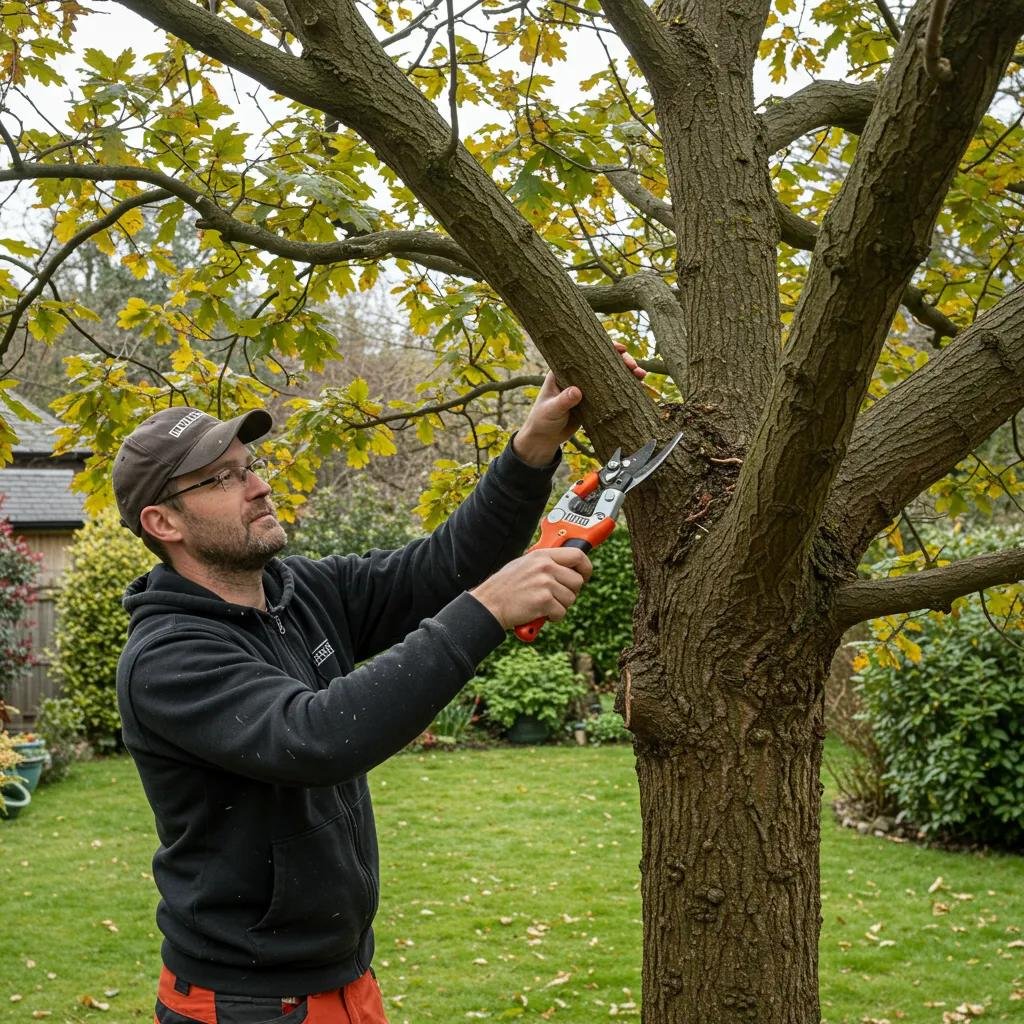
Strategic pruning removes deadwood and competing branches, improving air circulation and sunlight penetration within the canopy. This helps reduce fungal spore buildup and boosts photosynthetic efficiency, leading to stronger branch connections and healthier foliage. For example, thinning the canopy of oak trees can lessen wind resistance and decrease the likelihood of limb breakage during hurricanes.
Selective crown reduction helps shape the canopy for better balance while preserving key scaffold limbs. Removing branches that rub against each other minimizes wound creation that can invite decay. Over time, well-executed pruning fosters a stable branch structure and reduces opportunities for disease entry.
Why Is Mulching and Fertilisation Important for Tree Growth?
Mulching helps regulate soil temperature, conserve moisture, and suppress weeds that compete for vital nutrients. As organic mulch decomposes, it enriches the soil with beneficial microbial activity and improves its structure. Applying a balanced, slow-release fertilizer can correct micronutrient deficiencies—particularly iron and magnesium—common in Florida’s alkaline soils, promoting lush leaf development and sustained growth.
Key advantages of mulching and fertilization include:
- Moisture Retention – Helps prevent root stress during dry spells.
- Nutrient Supply – Provides essential macronutrients for healthy cell development.
- Soil Health – Encourages beneficial fungi and bacteria crucial for nutrient absorption.
Together, these practices cultivate a fertile environment that supports robust root expansion and a dense canopy, making trees less vulnerable to drought and pest infestations.
How Often Should Trees Be Watered for Optimal Health?
Watering needs vary based on the tree species, its age, and local rainfall. Young saplings typically require 20–30 liters of water weekly for their first two years. Established trees, however, generally need deep watering every two to four weeks during dry periods. Overwatering can lead to root suffocation, while insufficient watering stresses trees, making them susceptible to borers and scale insects.
A drip irrigation system delivers water slowly and consistently, encouraging roots to grow deeper into the soil. Checking soil moisture at a depth of 15–30 cm ensures watering occurs only when needed, preventing waterlogging and nutrient runoff. This precise hydration promotes resilience against drought and maintains healthy leaf turgor, even during intense summer heat.
How Can You Identify and Manage Common Tree Diseases in Port Orange?
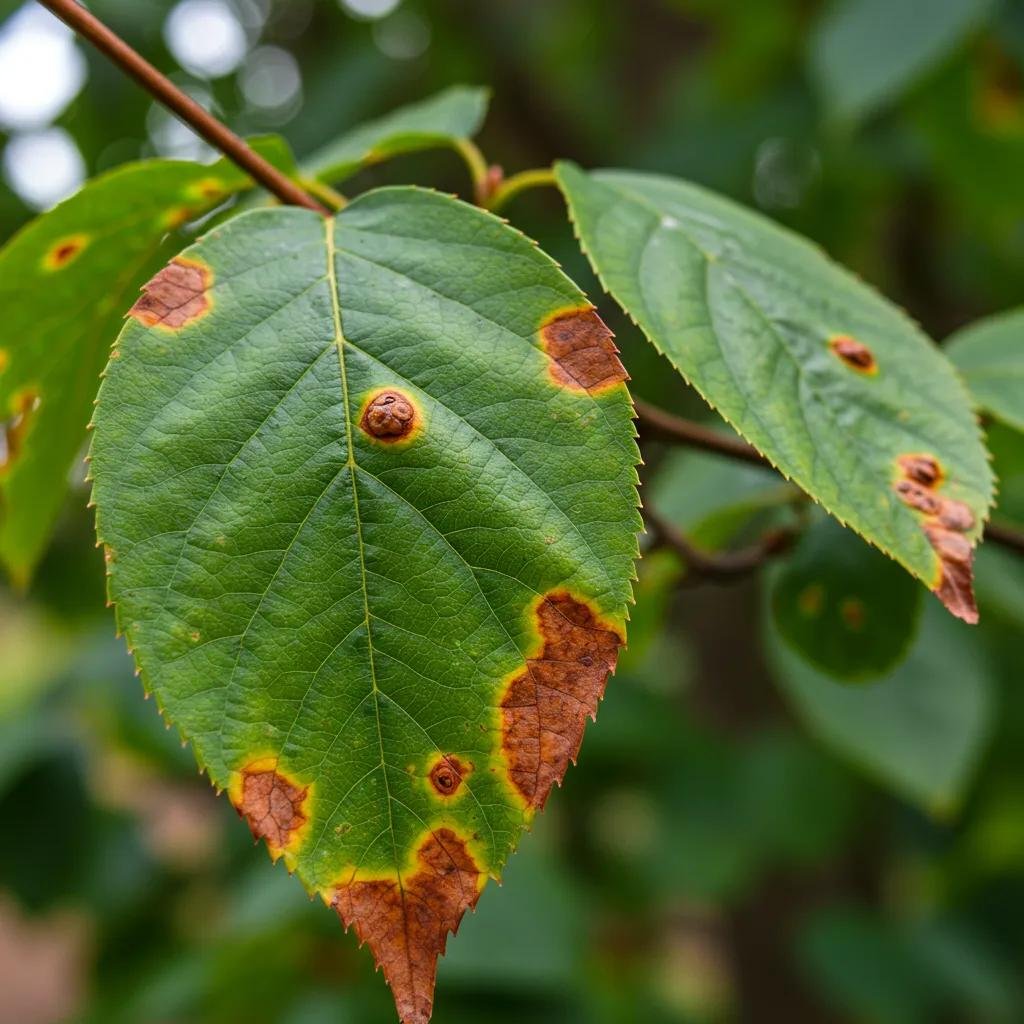
Early identification of local tree diseases allows for targeted treatments that preserve tree health. Florida’s warm, humid climate is conducive to pathogens like oak wilt, lethal bronzing in palms, and anthracnose in ficus. Recognizing discolored foliage, bark cankers, or unusual fruiting bodies on leaves can indicate an infection. Prompt treatment with approved fungicides or the removal of affected tissues can help contain outbreaks.
Integrated disease management combines cultural, chemical, and biological approaches. Pruning infected branches, applying trunk injections for systemic treatment, and encouraging natural predators can all help reduce disease spread. Consulting ISA-certified arborists ensures accurate diagnoses and customized treatment plans that adhere to ANSI A300 standards.
What Are the Differences Between Pest Damage and Disease Symptoms?
The following table highlights how to distinguish between insect feeding patterns and pathogen symptoms in common Port Orange tree species.
| Tree Issue | Characteristic | Indicator | Treatment Focus |
|---|---|---|---|
| Caterpillar Defoliation | Chewed leaf edges | Irregular holes, droppings on the ground below | Biological controls, targeted sprays |
| Scale Infestation | Sticky residue (honeydew) on leaves | Small, shell-like bumps (white or brown) on stems and leaves | Horticultural oils, systemic insecticides |
| Anthracnose | Leaf spots and blight | Angular brown lesions often following leaf veins | Prune infected twigs, apply fungicide |
| Oak Wilt | Sudden wilting of leaves in spring | Discoloration or streaking within the vascular tissue under the bark | Root barrier trenching, fungicide injection |
Understanding these distinctions helps property owners choose the most effective intervention methods and avoid harming beneficial organisms.
What Are the Signs of Common Tree Diseases in Florida?
Florida trees often display these early indicators of disease:
- Leaf discoloration or browning, often starting at the edges.
- Sunken or raised lesions (cankers) on branches and trunks.
- Premature leaf drop during warmer months.
- Unusual growth structures, such as fungal mats or conks.
Spotting these signs early allows for targeted pruning, trunk injections, or soil treatments that can halt disease progression and maintain the vitality of your tree’s canopy.
How Do You Control Tree Pests and Prevent Infestations?
Integrated Pest Management (IPM) involves careful monitoring, good sanitation practices, utilizing biological controls, and judicious use of pesticides. Regular inspections can detect scale, borers, and caterpillars before their populations become overwhelming. Introducing beneficial insects like ladybugs and lacewings can naturally reduce pest numbers. Clearing away leaf litter and avoiding over-fertilization deprives pests of breeding grounds and overly lush foliage. When treatment is necessary, applying targeted systemic insecticides during vulnerable life stages minimizes environmental impact.
When Should You Call an Arborist for Tree Disease Diagnosis?
It’s time to contact an ISA-certified arborist when:
- Multiple branches on the same main limb show signs of cankers or dieback.
- There’s a rapid loss of leaves outside of the normal seasonal shedding.
- Fungal growths appear at the base of the trunk or on the roots.
Professionals use specialized equipment, such as increment borers and laboratory assays, to accurately identify pathogens and recommend ANSI-compliant removal or treatment protocols that comply with local regulations and environmental best practices.
What Are the Best Seasonal Tree Care Tips for Each Time of Year?
Tailoring your tree care to the specific conditions of spring, summer, autumn, and winter ensures your trees remain vigorous year-round. Seasonal tasks address pest cycles, nutrient needs, and structural integrity in response to changing temperatures and rainfall. A proactive approach prevents stress buildup and avoids costly emergency interventions later.
How Does Mulching Benefit Trees in Different Seasons?
Applying fresh mulch in spring helps retain soil warmth, aiding root activation, and then moderates soil temperature during the summer heat. In autumn, mulch protects feeder roots from early cold snaps, and in winter, it insulates against extreme temperature fluctuations. Replenishing the mulch layer annually to a depth of 5–8 cm continues to regulate moisture and support beneficial soil organisms.
What Tree Care Tasks Are Crucial in Spring and Summer?
In spring, inspect buds for signs of swelling, apply slow-release fertilizer, and clear away any winter storm debris. Summer care focuses on deep watering and vigilant monitoring for early signs of insect activity. Key tasks include:
- Crown Thinning: Enhances airflow and reduces the risk of fungal diseases.
- Root Zone Aeration: Improves oxygen uptake in compacted soil.
- Pest Scouting: Check new growth for scale, caterpillars, and borers.
These proactive measures help maintain efficient photosynthesis and encourage healthy leaf development.
How Should You Prepare Trees for Autumn and Winter?
Autumn pruning involves removing crossing and dead limbs to prevent storm damage and eliminate pest hiding spots. Soil tests can guide fall nutrient applications—especially potassium and phosphorus—to strengthen root reserves. During winter, provide supplemental watering during dry spells to prevent root desiccation. For vulnerable species, consider installing cabling or bracing if heavy rains and high winds are anticipated, reducing the risk of structural failure.
Which Seasonal Issues Should Property Owners Watch For?
Each season presents unique challenges for trees:
- Spring: Fungal leaf spots, sap-sucking insects.
- Summer: Heat stress, wilting due to drought.
- Autumn: Storm damage, nutrient loss from heavy rainfall.
- Winter: Frost cracks and branch splitting caused by cold temperatures.
Monitoring these seasonal patterns allows for timely interventions that preserve canopy health and structural integrity heading into the next growing season.
When and How Should You Prune Different Tree Species Properly?
The timing and technique for pruning vary by species to promote optimal wound healing and minimize stress. Pruning deciduous trees during their dormant period reduces sap loss, while palms are best pruned during dry months to deter fungal infections. Matching pruning cuts to the tree’s natural branch structure prevents bark damage and aids in the compartmentalization of wounds.
What Are the Proper Pruning Techniques for Oak and Palm Trees?
Oak trees benefit from crown thinning cuts—where small lateral branches are removed while preserving the main scaffold limbs—to reduce wind resistance and allow more light to reach the interior. Pruning palm trees should focus on removing only fully brown fronds, avoiding exposure of soft green tissue that can attract pathogens.
How Do You Identify Dead or Hazardous Branches for Removal?
Deadwood typically appears brittle, has cracked bark, and lacks green cambium layer beneath the surface. Hazardous branches often form narrow, acute angles or have included bark at their attachment points, indicating weak structural connections. Testing with a pruning pole or gently tapping can reveal hollow sounds or loose bark, signaling that removal is necessary.
What Are the Benefits of Hiring ISA Certified Arborists for Pruning?
ISA-certified arborists adhere to ANSI A300 pruning standards, ensuring correct cut placement, minimizing tree stress, and promoting rapid wound closure. Their deep understanding of local soil conditions, tree species, and climate patterns reduces the risk of infection and structural failures. Professional crews also operate under strict safety protocols, carry adequate insurance, and provide clear, itemized quotes, giving homeowners peace of mind.
What Tools Are Recommended for Safe and Effective Pruning?
Before you begin pruning, ensure you have the necessary equipment:
- Bypass pruning shears for small, live branches.
- Lopping shears with extended handles for greater reach and leverage.
- Pruning saws with curved blades for cutting larger branches.
- Essential safety gear: a helmet, eye protection, and cut-resistant gloves.
Using high-quality tools results in clean cuts that minimize tissue damage, supporting faster healing and preserving the tree’s overall health.
How Do You Handle Emergency Tree Care After Storm Damage?
Trees damaged by storms pose significant safety and liability risks. Prompt assessment and appropriate action are crucial to protect your property and ensure safety. Effective emergency tree care involves hazard removal, debris cleanup, and reinforcing remaining structures to prevent further damage.
What Steps Should You Take to Assess Storm Damage to Trees?
First, establish a safety zone around any fallen limbs. Inspect the trunk and major branches for cracks, root plate uplift, and displaced soil. Document any structural failures and canopy loss before beginning removal or stabilization efforts. A thorough inspection helps determine the scope of work and prioritizes the most dangerous hazards.
When Is Emergency Tree Removal Necessary?
Immediate tree removal is required if:
- The trunk has split or developed significant longitudinal cracks.
- The root plate is noticeably tilted or has become uprooted.
- Leaning branches pose a threat to structures or utility lines.
Prompt removal by trained professionals prevents accidental collapse and mitigates potential liability.
How Can You Prevent Future Storm Damage to Your Trees?
Strategic pruning can reduce wind resistance by thinning canopies and removing codominant stems. Installing support cables in mature oaks and palms can reinforce weak branch unions. Encouraging deep root growth through proper watering and soil aeration increases stability during high-wind events.
What Are the Key Benefits of Hiring Local Certified Arborists in Port Orange?
Local ISA-certified arborists possess invaluable knowledge of Port Orange’s specific soil composition, native tree species, and typical storm patterns. Their certification ensures they follow ANSI A300 standards for tree care and Z133 safety regulations, protecting both your trees and your property. Transparent pricing with detailed, itemized quotes eliminates hidden fees and builds trust.
By choosing local professionals, property owners benefit from prompt service, treatment plans tailored to our region, and a commitment to community-focused quality.
How Does Local Knowledge Improve Tree Care Outcomes?
Understanding Volusia County’s sandy loam soils and high humidity allows for precise irrigation and fertilization schedules. Familiarity with local pest cycles and prevalent diseases enables arborists to anticipate threats like lethal bronzing or oak wilt before they become widespread problems.
What Safety Standards Do Professional Arborists Follow?
Certified arborists adhere to ANSI A300 pruning standards for proper cutting techniques and Z133 safety regulations for rigging, felling, and debris removal. These guidelines ensure the safety of crews, bystanders, and the trees themselves throughout all service operations.
How Transparent Is Pricing for Tree Care Services?
Professional estimates clearly outline costs for labor, equipment, debris disposal, and any necessary treatments. This detailed breakdown prevents unexpected charges and empowers homeowners to make informed decisions. Flexible financing options and comprehensive quotes help property owners budget effectively without compromising on essential tree care or safety.
What Frequently Asked Questions Do Property Owners Have About Tree Care?
Homeowners commonly seek straightforward advice on diagnosing tree health issues, establishing effective watering routines, recognizing pruning needs, and identifying diseases. Expert answers simplify decision-making, encourage proactive maintenance, and help reduce the need for emergency services.
How Do I Know If My Tree Is Sick?
Discolored or wilting leaves, cankers on branches, and abnormal dieback on palm fronds are signs of tree stress. Inspect the bark for lesions and the ground around the roots for cracking. Early detection through regular visual checks and professional assessments is key to preserving canopy health.
When Should I Water Newly Planted Trees?
New transplants require thorough, deep watering twice a week for the first three months to help establish their root systems. After this initial period, reduce watering to once a week and monitor soil moisture at a 15 cm depth to encourage deeper root growth.
What Are the Signs That My Tree Needs Pruning?
Excessive crossing branches, limbs rubbing against each other, strong vertical shoots dominating the canopy, and the appearance of epicormic sprouts all indicate structural imbalance. Pruning helps restore the tree’s form, prevents branch failures, and directs growth toward the main scaffold limbs.
How Can I Identify Oak Wilt or Lethal Bronzing Disease?
Oak wilt typically presents as rapid leaf yellowing and vascular streaking beneath the bark, often leading to branch dieback. Lethal bronzing in palms causes fronds to turn a bronze color, starting from the tips. Laboratory tests and arborist inspections are necessary to confirm these diseases and initiate specific treatment plans.
Maintaining healthy trees requires ongoing attention, but professional assistance ensures maximum resilience and safety. For accurate diagnoses, customized maintenance plans, and dependable service solutions that protect your landscape investment, consult with local ISA-certified arborists.