Your Guide to Tree Removal: Costs, Permits, Safety, and Finding the Right Pros in the UK
Thinking about removing a mature tree? It can be a significant expense, and without the right know-how, you could face unexpected costs, legal trouble, and safety risks. This guide cuts through the confusion, giving you the essential information on typical removal fees, legal requirements, emergency situations, safe removal techniques, stump grinding, and how to pick the best professionals. You’ll discover what influences tree removal prices, when you’ll need permits or face Tree Preservation Orders, what constitutes an emergency, how qualified arborists work safely, and the key questions to ask when choosing a service. As seasoned arborists, we’ll also share how local experts can provide accurate on-site assessments and ensure your tree removal is handled efficiently and legally.
Here’s what we’ll cover:
- Understanding costs, getting quotes, spotting hidden fees, and UK price guides
- Navigating TPOs, planning permission, and permit applications
- Recognising emergency situations, insurance coverage, and safe practices
- The step-by-step removal process, equipment used, site cleanup, and stump grinding
- How to choose a reputable tree removal company, essential insurance, and key questions to ask
- The dangers of DIY removal, environmental considerations, and best practices
How Much Does Tree Removal Cost in the UK?
The cost of removing a tree is shaped by how complex the job is, the tree’s size, and local labour rates, ensuring you get a clear picture for budgeting. Factors like the tree’s height, type, how easy it is to access the site, and how the waste will be disposed of all play a part, meaning each quote reflects the specific work and safety measures needed. Understanding these cost drivers helps you plan your finances and avoid unwelcome surprises.
What Factors Influence Tree Removal Prices?
Several key elements determine the final price for taking down and clearing a tree:
- Tree Height and Canopy Spread: Taller trees and those with wide-spreading branches require more people and specialised equipment to manage safely.
- Species and Condition: Tougher hardwoods like oak need robust tools and careful dismantling; trees that are diseased or unstable demand extra caution.
- Site Accessibility and Location: Properties in urban areas with tight spaces or close to buildings will need more time and careful planning to work around.
- Waste Removal and Disposal: Chipping the wood, grinding the stump, and disposing of green waste all have associated costs that can vary depending on local council fees.
These factors combine to influence every quote and dictate the most suitable removal methods.
How Can I Get an Accurate Tree Removal Quote?
To get a precise estimate, arrange for a qualified arborist to visit your property and:
- Measure the tree and assess its overall health and stability.
- Check access routes, the ground conditions, and any nearby structures or obstacles.
- Detail the estimated time, equipment needed, and disposal charges.
This open approach helps prevent miscalculations and makes it easier to compare different service providers, so you’re clear on exactly what’s included in your quote.
Are There Hidden Fees in Tree Removal Costs?
Beyond the basic cost of felling the tree, you might encounter:
- Permit Application Fees: Your local council might charge for planning permission or for processing Tree Preservation Order applications.
- Emergency Surcharge: Urgent call-outs outside of standard working hours often come with an additional charge.
- Additional Safety Measures: Specialist rigging, traffic management systems, or the use of scaffolding will add to the cost.
- Disposal Premiums: Fees at green waste recycling centres or landfill sites can vary and may increase if you need disposal at short notice.
Being aware of these potential extra costs helps you manage your budget effectively and ensures you have a full understanding of the expenses before work begins.
What Are the Average Tree Removal Costs in the UK?
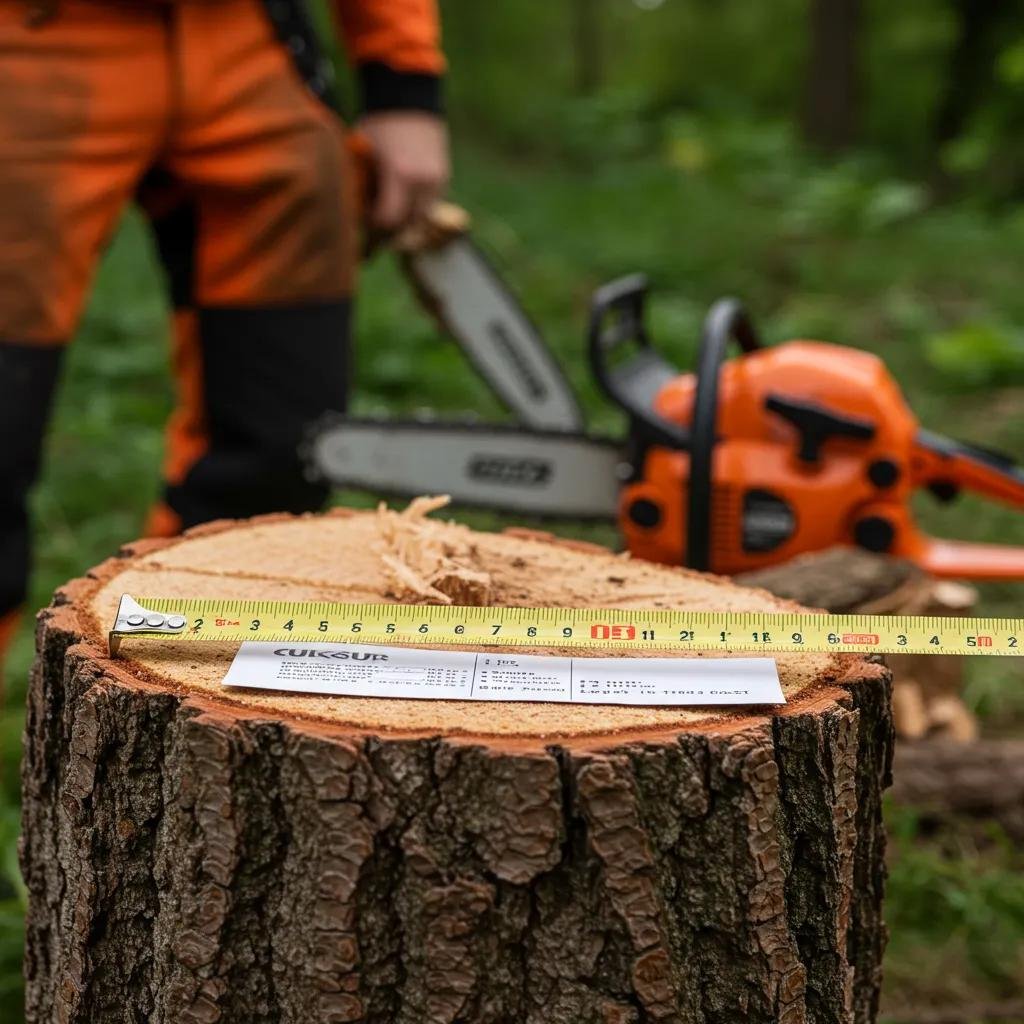
Here’s a general guide to typical tree removal costs across the UK:
| Tree Size | Average Cost |
|---|---|
| Small (up to 25 ft) | £240–£340 |
| Medium (up to 30 ft) | £410–£590 |
| Large (up to 50 ft) | £1,190–£1,720 |
| Very Large (60 ft+) | £1,700–£2,450 |
Local pricing reflects the availability of skilled labour, the cost of waste disposal contracts, and the equipment needed. Knowing these typical figures helps you assess quotes and choose a service that offers good value alongside professional expertise.
Do I Need Permission or a Permit to Remove a Tree in the UK?
Removing a tree that’s protected or regulated by the council without the proper consent can result in fines and enforcement orders, so it’s crucial to understand the UK’s permission requirements to protect your property and your reputation. The rules usually depend on whether the tree is subject to a Tree Preservation Order (TPO), located in a conservation area, or if its removal is part of a larger development project.
What Are Tree Preservation Orders (TPOs) and How Do They Affect Tree Removal?
A Tree Preservation Order is a legal directive issued by a local authority to protect specific trees, groups of trees, or woodlands. If a TPO applies to a tree, you must get formal permission before carrying out any work, including felling, pruning, or uprooting it. Ignoring a TPO can lead to substantial fines, so it’s vital to check if one is in place before planning any removal.
When Is Planning Permission Required for Tree Removal?
Planning permission is generally needed if you intend to remove trees within a conservation area or if the tree felling is part of a larger building or development project. If you plan to remove five or more trees simultaneously, you might need to submit a detailed landscape plan as part of your planning application. Being aware of these requirements beforehand can prevent delays and legal issues.
How Do I Apply for Tree Removal Permits in the UK?
To apply for permission to fell a tree:
- Get in touch with your local planning authority to obtain the necessary application forms and guidance.
- Provide a survey of the tree, detailing its species, location, and health.
- Submit supporting documents, such as site plans and a clear explanation of why the removal is necessary.
- Pay any applicable application fees and wait for written approval.
Following this process ensures you comply with all regulations and get your approval in a timely manner.
What Are the Consequences of Removing a Tree Without Permission?
If you remove a tree without the required permission, you could face:
- Enforcement Notices that require you to replant the tree or restore the site.
- Substantial fines, potentially up to £20,000 per tree if a TPO is breached.
- Legal action and potential prosecution by your local council.
Therefore, obtaining the necessary permits in advance is essential to avoid damaging your reputation and incurring costly remedial work.
What Are Emergency Tree Removal Services and When Are They Needed?
Emergency tree removal services are available for situations where a tree poses an immediate threat, helping to protect people and property. Qualified arborists can quickly assess the danger, use specialised equipment, and secure the area to restore safety as swiftly as possible.
What Situations Require Emergency Tree Removal?
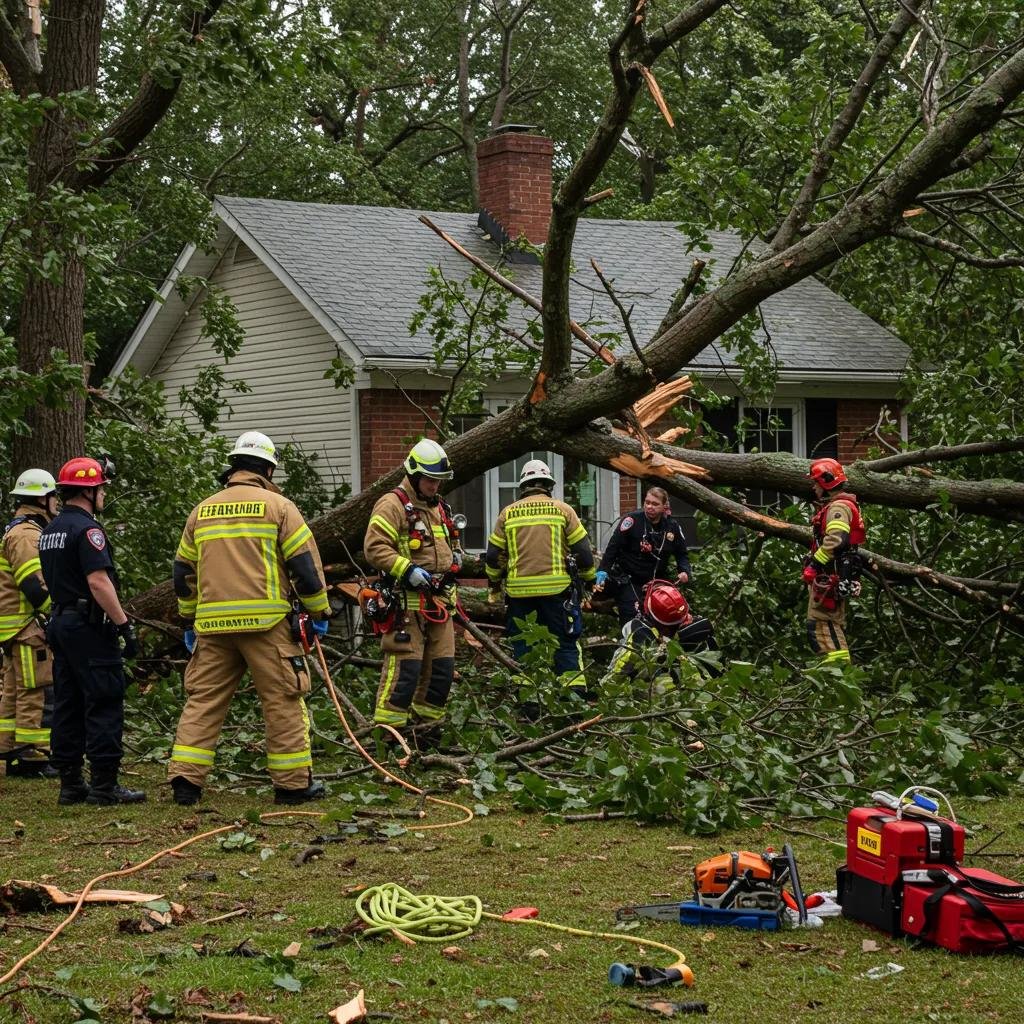
Urgent situations that call for immediate tree removal include:
- Storm Damage: Trees that have been uprooted or are leaning precariously, threatening to fall on buildings or roads.
- Structural Instability: Trees with significant root damage or severe cracks in the trunk.
- Threats to Utilities: Branches hanging over power lines or gas pipes that could cause a dangerous situation.
Addressing these risks without delay is crucial to prevent accidents and ensure the safety of your property.
How Quickly Can Emergency Tree Services Respond?
Professional emergency teams typically aim to respond within one to four hours, depending on their availability and your location. Their rapid response is made possible by having equipment ready to go and established protocols for assessing and prioritising high-risk situations.
Does Insurance Cover Emergency Tree Removal Costs?
Many home insurance policies include cover for damage caused by storms or lightning, which can extend to the cost of tree removal if the tree poses a direct threat to your insured property. It’s always best to check the specifics of your policy, get a claim reference number, and keep any reports from the arborist to support your claim.
How Do Certified Arborists Handle Emergency Tree Removal Safely?
Certified arborists follow strict safety procedures:
- Risk Assessment: They carefully evaluate the tree’s lean, potential stress points, and establish safe working zones.
- Rigging and Sectional Dismantling: Using ropes and pulleys to carefully lower branches and sections of the tree.
- Traffic Management: Setting up barriers and signs if the work is near a public road.
- Protective Equipment: Ensuring all team members wear appropriate safety gear, including helmets, harnesses, and protective clothing.
These measures ensure that dangerous trees are removed efficiently while keeping everyone on site safe.
How Is the Tree Removal Process Carried Out Safely and Professionally?
Professional tree removal follows a systematic approach designed to minimise risks and protect the environment. Each step, from the initial assessment to the final cleanup, adheres to industry standards set by organisations like the Arboricultural Association and the ISA.
What Steps Are Involved in Professional Tree Removal?
The removal process typically includes:
- Site Inspection and Risk Analysis: Identifying potential hazards and planning access routes.
- Felling Plan Development: Deciding on the cutting sequence and where the tree will fall.
- Sectional Dismantling or Full Felling: Removing the tree in sections or felling it whole, depending on the available space.
- Wood and Debris Removal: Chipping, recycling, or safely disposing of all the resulting material.
This methodical process helps to minimise any impact on your property and ensures safety throughout.
What Equipment and Techniques Are Used in Tree Removal?
Arborists use a range of specialised tools:
- Chainsaws and Pole Saws: Selected based on the type and hardness of the wood.
- Aerial Platforms and Climbing Ropes: For reaching high branches safely.
- Wood Chippers and Stump Grinders: To process waste materials on-site.
- Traffic Cones and Warning Signs: To ensure public safety around the work area.
These tools allow for precise cutting, efficient waste management, and secure control of the work zone.
Why Is Hiring a Certified Arborist Important for Tree Removal?
Certified arborists have formal training, practical experience, and are often members of professional organisations, which means they:
- Accurately assess tree health and structural integrity.
- Use industry-standard techniques for pruning, bracing, and felling.
- Understand and manage the legal and permit requirements.
Their expertise guarantees a safer, more compliant, and environmentally conscious removal process.
How Is the Site Cleaned Up After Tree Removal?
After the tree is removed, the site is tidied up by:
- Stump Grinding or Complete Removal: To eliminate tripping hazards and create a level surface.
- Mulching Chips: Used as garden mulch or compost.
- Final Inspection: Ensuring all debris and exposed roots are cleared.
A thorough cleanup restores the appearance of your garden and prepares the area for new planting or landscaping.
What Should I Know About Tree Stump Removal and Grinding?
Getting rid of an unwanted tree stump not only improves the look of your garden but also prevents pests from nesting and frees up space for new planting. Professional stump grinding services use powerful machinery to efficiently break down the stump below ground level.
What Are the Benefits of Removing Tree Stumps?
Removing stumps offers several advantages:
- Improved Aesthetics: Creates a smooth, uncluttered garden space.
- Enhanced Safety: Eliminates tripping hazards and makes mowing easier.
- Pest Prevention: Stops decaying wood from attracting termites, ants, and fungal growth.
These benefits contribute to both the value of your property and the health of your garden.
What Methods Are Used for Stump Removal and Grinding?
There are two main approaches:
- Mechanical Grinding: This involves using specialised cutters to chip away the stump down to below ground level.
- Chemical Decomposition: This method uses chemicals to speed up the natural rotting process of the stump.
Grinding is generally quicker and tidier, while chemical removal can take months but avoids the need for heavy machinery.
How Much Does Stump Removal Cost in the UK?
The cost for stump grinding typically depends on the stump’s diameter and how accessible it is:
| Stump Diameter | Grinding Only | Removal and Backfill |
|---|---|---|
| Up to 30 cm | £60–£100 | £100–£150 |
| 30–60 cm | £100–£180 | £150–£250 |
| Over 60 cm | £180–£300 | £250–£400 |
Factors like the cost of transporting the grinding machine to your site and how tangled the roots are can also affect the final price.
How Do I Care for My Property After Stump Removal?
After the stump has been ground or removed:
- Fill the resulting hole with topsoil and compact it well.
- Sow grass seed or plant new shrubs to cover the area.
- Keep an eye out for any new shoots and remove them promptly if they appear.
Proper aftercare will ensure the area is level and attractive, and prevent any unwanted regrowth.
How Do I Choose the Right Tree Removal Company in the UK?
Selecting a trustworthy tree removal service involves carefully checking their credentials and having clear discussions about the work involved, the costs, and any necessary permissions. The right company will ensure the job is done safely, with minimal disruption, and provides excellent value.
What Qualifications Should a Professional Tree Removal Service Have?
Look for companies that have:
- Certifications from recognised industry bodies, such as the Arboricultural Association or the ISA.
- Evidence of adherence to best practices, perhaps through inspections or memberships.
- Proven experience with similar tree removal projects in your area.
These qualifications indicate that they have the necessary skills and understand the relevant regulations.
Why Is Insurance Important When Hiring Tree Removal Experts?
Comprehensive insurance protects you from potential liabilities:
- Public Liability Insurance: Covers any damage to neighbouring properties or public areas.
- Employer’s Liability Insurance: Protects against claims if a worker is injured on the job.
- Professional Indemnity Insurance: May be relevant if any advice or surveys provided are found to be inaccurate.
Confirming their insurance coverage levels provides financial security for everyone involved.
What Questions Should I Ask Before Hiring a Tree Removal Company?
Before you agree to hire a company, ask about:
- The full scope of the work and exactly what services are included.
- Their safety procedures and the equipment they use on site.
- How they handle waste disposal and their environmental policies.
- The estimated project timeline, any guarantees offered, and their payment terms.
Having a checklist of questions helps to clarify expectations and protect your interests.
How Can Customer Reviews and Testimonials Help Me Choose?
Genuine customer feedback can reveal:
- How consistently they deliver their services and stick to quotes.
- How well they handle unexpected issues or weather-related delays.
- The quality of their site cleanup and restoration work.
Reading reviews can give you greater confidence in the reliability of the company you choose.
Can I Remove a Tree Myself or Should I Hire a Professional?
While tackling tree removal yourself might seem like a way to save money, the risks involved often outweigh any potential savings. Professional services ensure safety, legal compliance, and responsible environmental practices for every job.
What Are the Risks of DIY Tree Removal?
Attempting to remove a tree without the right skills and equipment can lead to:
- Serious personal injuries from falling branches or improper tool use.
- Damage to your property if the tree falls incorrectly or unexpectedly.
- Legal trouble if you remove a protected tree without authorisation.
These significant dangers highlight why it’s usually best to call in the professionals.
When Is Professional Tree Removal Recommended?
It’s advisable to hire certified arborists for:
- Trees taller than 6 metres or those situated close to buildings.
- Trees showing signs of disease, rot, or structural weakness.
- Sites with limited access or those near utility lines.
Their expertise ensures that the removal is carried out safely and efficiently, regardless of the circumstances.
How Do Professionals Ensure Environmentally Responsible Tree Removal?
Sustainable tree removal practices include:
- Recycling wood waste into mulch or biomass fuel.
- Participating in replanting schemes or habitat restoration projects.
- Following local environmental guidelines to protect wildlife.
Removing and replacing trees responsibly helps protect both your property and the environment, leading to healthier landscapes managed by experts committed to safety and sustainability.