Your Guide to Healthy Trees: Expert Inspections, Problem Diagnosis, and Safety Checks
Homeowners often miss the small signs that can lead to big tree problems. But a professional tree health check can save your property from damage, make your yard look better, and keep everyone safe. This guide shows you how certified arborists check your trees’ health, figure out what’s wrong, and assess any risks. You’ll learn what a tree health check involves, how to spot sick trees, common local issues, and the step-by-step process our ISA-certified arborists use. We’ll also cover typical costs, why it’s worth it, and how to fix problems. Plus, you’ll get tips for keeping trees healthy and why regular check-ups are smart. By the end, you’ll know how TreesRx’s experts handle Port Orange’s unique conditions and how to book a free, no-pressure assessment to protect your home and your trees.
What's a Tree Health Check and Why Does It Matter?
A tree health check is a thorough look at a tree’s condition, its structure, and any potential dangers, done by a skilled arborist to ensure it stays safe and lives a long life. This involves examining leaves, bark, roots, and the overall crown to find early signs of stress, sickness, or weak spots. Doing these checks regularly helps prevent dangerous tree failures, keeps your property value up, and meets local safety rules. Our ISA-certified arborists at TreesRx use industry-standard methods to give you clear reports, helping us plan the best care for your trees.
These evaluations give you clear information about what your trees need and help you decide what to do first. Catching problems like fungus or bugs early can often save you from costly tree removals and help trees survive. Smart trimming, specific treatments, and better soil health, all recommended by experts, will make your trees live longer and your yard look nicer. Taking care of your trees also helps the environment by cleaning the air and making our city greener.
How Do Arborists Define a Tree Health Check?
Arborists see a tree health check as a detailed inspection that uses visual checks, structural tests, and samples to figure out how healthy a tree really is. They use special tools to measure leaf color, bark damage, root exposure, and branch tension. This complete approach helps them accurately diagnose diseases, nutrient issues, or structural flaws. By rating the risks, arborists can create custom plans to make trees stronger and safer.
Detailed reports explain every finding, assign a risk level (low, medium, high), and suggest fixes. This makes sure you understand everything and helps you plan maintenance. These assessments also serve as official records for insurance or legal needs.
Why Should You Care About Your Trees' Health?
Taking care of your trees means a safer home, a more valuable property, and lower maintenance bills. Healthy trees can add up to 19% to your landscape’s value and help protect against storm damage and heavy rain. Fixing problems early reduces your risk if a branch falls or a tree fails. By getting professional checks, you show you’re being responsible and keep your insurance valid.
Proactive tree care also means fewer surprise costs for removals and protects nearby buildings. Regular health checks find nutrient problems and soil issues, stopping trees from declining and helping their roots grow strong. A well-kept yard makes your neighborhood look better and builds community pride.
What Are the Environmental and Safety Perks of Tree Health Checks?
Tree health checks boost the environment by saving old trees that absorb carbon, clean the air, and cool down urban areas. Strong trees are less likely to lose branches in storms, keeping people safe and preventing damage to cars or power lines. Finding rot, decay, or root problems early allows for fixes like adding supports or improving soil.
Key safety benefits include less risk from falling branches and better emergency planning. Healthy trees with strong bark and roots can handle strong winds and heavy rain, protecting sidewalks and roads. Keeping our urban forest healthy also supports local wildlife.
How Can You Spot a Sick Tree?
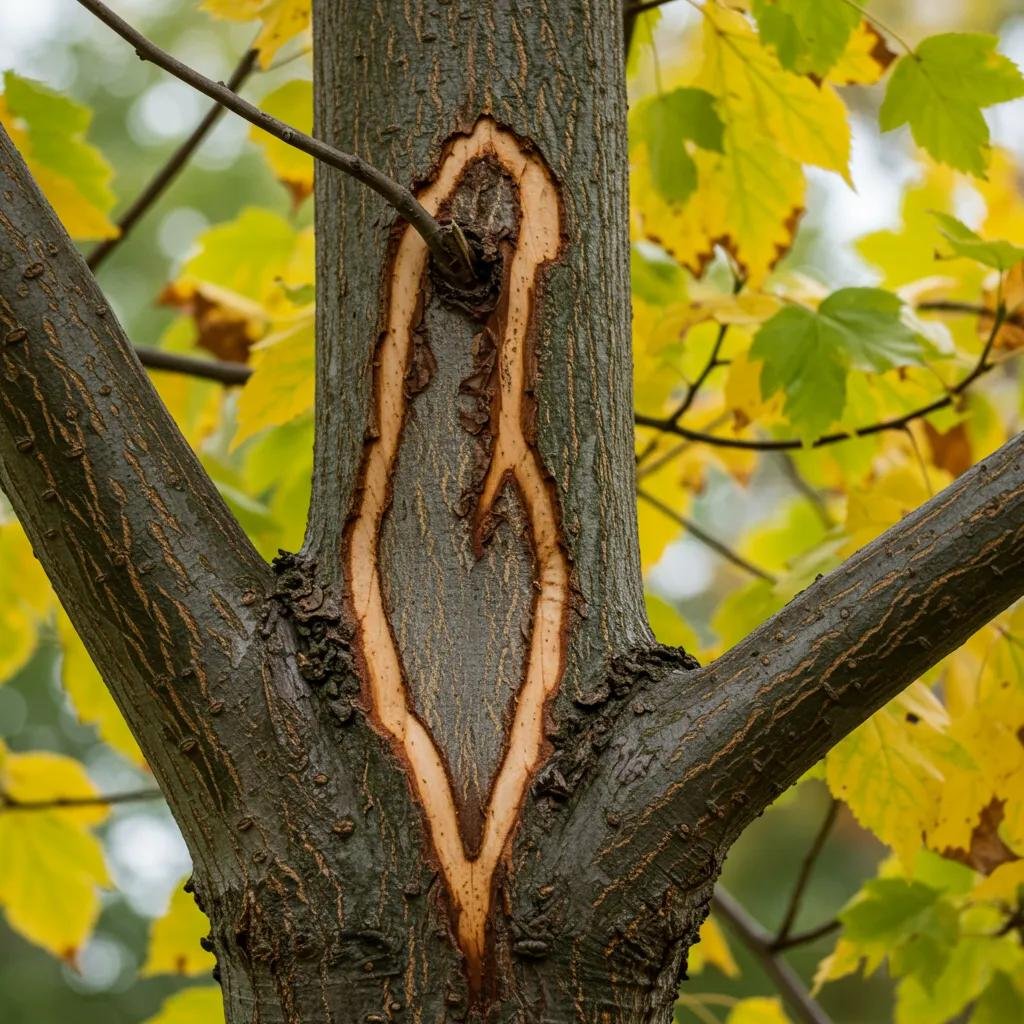
Spotting unhealthy trees starts with looking at how full the leaves are, their color, and the bark to find signs of stress. Off-color leaves, thin foliage, and branches dying back often mean the tree is struggling. Arborists combine these visual clues with measurements of sap flow, nutrient levels, and root health to confirm issues. Catching these problems early means quicker fixes, saving the tree’s structure and preventing dangers.
What Are the Usual Signs of a Tree in Decline?
Before we list the key visual signs, it’s important to know that these clues point to underlying issues that are hurting the tree’s performance.
- Leaves turning yellow or spotted during the growing season can mean nutrient problems or a disease affecting the tree’s water system.
- Branches consistently dying back from the tips often show root damage, packed soil, or lack of water.
- Bark that’s cracking, peeling, or looks sunken can be a sign of fungus or rot inside.
- New shoots growing on the trunk usually mean the tree has been injured or isn’t getting enough light.
These visible signs help arborists decide which tests to run and what treatments to use.
How Do Tree Vitality Clues Show Overall Tree Health?
Tree vitality clues combine measurements of how the tree is functioning with visual checks to give a clear picture of its health.
- Leaf chlorophyll readings show how well the tree is photosynthesizing and absorbing nutrients.
- Taking core samples from the trunk measures growth rings to see how healthy the tree has been over time.
- Tests for soil compaction and moisture levels check the conditions around the roots.
- Using electrical resistance drills helps find hollow spots and decay inside the wood.
By putting these clues together, our ISA-certified arborists create a complete health profile to guide maintenance and risk assessments.
When Should You Suspect a Tree Disease or Pest Problem?
Suspect a disease or pest problem when you see several symptoms at once—like wilting leaves, spots on the bark, and leaves falling off too early—especially when the tree should be growing. Unusual leaf spots, cankers on branches, or strange sap leaks can also point to specific diseases or insects. If your trees look significantly thinner for two years in a row, it’s time for a professional check. Early suspicion leads to lab tests and quick treatment, stopping the problem from spreading.
What Are the Most Common Tree Diseases in Port Orange and Nearby Areas?
Port Orange’s warm, humid weather is perfect for several diseases that can harm local oaks, palms, and other trees. Some common diseases can block the tree’s water flow, cause leaves to wilt, and branches to die. Knowing which diseases are common helps you watch out for them and take steps to prevent them. Our ISA-certified arborists at TreesRx use their local knowledge to find and fix these specific problems.
| Disease | Symptom | Treatment |
|---|---|---|
| Oak Wilt | Sudden wilting of oak leaves | Fungicide injections and root barriers |
| Lethal Bronzing | Fronds turning bronze | Specific pesticide treatments |
| Root Rot | Roots becoming waterlogged and decaying | Improving soil drainage and using fungicides |
This table shows the main local diseases and how to manage them, helping you know when to call an expert.
How Does Oak Wilt Affect Trees Here?
Oak wilt is a fungal disease that blocks the tree’s water transport, causing leaves to wilt quickly and branches to die. Live oaks often show browning on the edges of their leaves in the spring, followed by losing their leaves. The fungus spreads through connected roots and insects that feed on sap. Finding it early and digging trenches to cut off root connections can slow its spread, while fungicide shots can protect valuable trees.
What Are the Signs and Effects of Lethal Bronzing?
Lethal bronzing is a disease that turns palm fronds bronze and eventually kills the palm. Infected palms show dark tissues near the base of their fronds and premature fruit drop. It’s spread by insects that feed on plants. Treatment involves using antibiotics that spread through the plant and controlling the insects to save valuable palms and prevent losses in your landscape.
How Can Root Rot Be Found and Prevented?
Root rot happens when soil stays too wet, causing the feeder roots to decay. Signs include yellowing leaves, thinning canopy, and the ground around the base of the tree lifting. Prevention involves improving soil drainage, reducing compaction, and using the right fungicides. Adding mulch that’s good for roots and aerating the soil helps keep moisture levels right and reduces disease risks.
When Do You Need to Call an Arborist for Disease Diagnosis?
Call a qualified arborist when symptoms don’t get better with basic care or are spreading fast. Professional diagnosis is crucial if several trees have similar leaf problems, trunk issues, or are wilting without a clear reason. Arborists can run lab tests, dig around roots, and use special dyes to find the exact cause. Getting expert help early saves trees and prevents widespread damage.
How Does a Professional Arborist Inspect a Tree's Health?
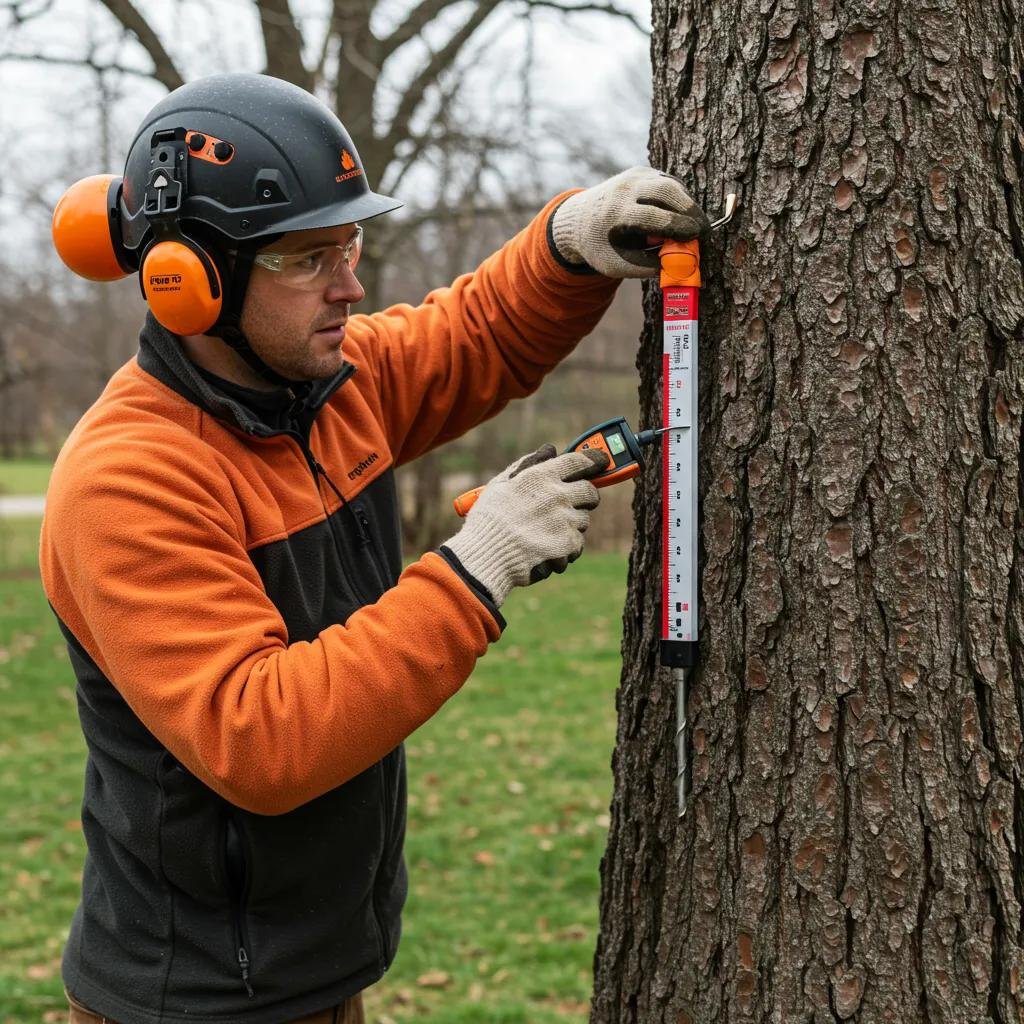
A professional tree health inspection follows a clear process of visual checks, diagnostic tests, and risk evaluations to provide a complete assessment. Our ISA-certified arborists use a standard method to record what they find, rate the risks, and suggest the best care plans. This ensures consistent evaluations and gives you clear, fact-based reports.
What Steps Are Part of an Arborist's Tree Inspection?
- Initial site review and identifying potential hazards.
- Checking the canopy and leaves for signs of disease or pests.
- Examining the trunk and bark using tools to detect decay.
- Investigating the root zone by testing soil compaction and moisture.
- Structural analysis, including measuring lean and checking for decay with drills.
- Compiling a report with risk levels and recommended treatments.
This step-by-step process makes sure nothing important is missed and sets the stage for effective solutions.
How Do ISA-Certified Arborists Ensure Accurate Diagnoses?
ISA-certified arborists use their extensive training, ongoing education, and real-world experience to make sure their diagnoses are accurate. They follow the International Society of Arboriculture’s standards for health assessments and risk evaluations. Certification requires a deep understanding of tree biology, diseases, and safety practices. This expertise ensures their diagnoses match industry standards and that treatment plans work well.
What Tools and Methods Are Used in Tree Health Assessments?
A variety of specialized tools help us perform thorough assessments:
- Increment borers measure growth rings to gauge a tree’s vitality over time.
- Resistograph drills detect internal decay and hollow spots.
- Chlorophyll meters measure the amount of pigment in leaves, indicating photosynthetic health.
- Soil probes and moisture sensors evaluate the conditions around the roots.
- Crown densitometers estimate how dense the foliage is.
These techniques provide objective data that leads to precise recommendations for feeding, pruning, or fixing problems.
How Is a Tree Risk Assessment Done, and What Does It Include?
A tree risk assessment systematically looks at how likely a tree is to fail and what the consequences would be, including what’s in the potential impact zone and how likely it is to happen.
- Identifying structural flaws like cracks, cavities, or weak branch attachments.
- Analyzing how the tree might fail, such as branches breaking or the tree uprooting.
- Estimating the risk to targets like people, buildings, or utilities.
- Assigning a risk level (low, medium, high) based on industry standards.
- Developing strategies to reduce risk, such as pruning, cabling, or removal.
This structured evaluation helps you decide which risks to address first and how to budget for maintenance.
What Do Tree Health Assessments Typically Cost and Offer in Port Orange?
The cost of tree health assessments varies depending on the complexity, tree size, and report detail, but the investment often saves money on removal costs and potential liability. In October 2025, local inspections usually cost between $100 and $550, with free estimates available. The real value of a professional assessment is protecting your landscape, managing your maintenance budget wisely, and improving your property’s appearance.
How Much Does a Tree Health Inspection Usually Cost?
| Service Level | Cost Range | What You Get |
|---|---|---|
| Basic Visual Check | $100–$200 | Written summary and hazard notice |
| Full Report | $250–$400 | Detailed report with photos and maps |
| Advanced Testing | $400–$550 | Lab analysis, risk ratings, treatment plan |
This pricing structure shows the different service options and helps you choose what fits your budget.
What's Included in a Professional Tree Health Report?
- A map showing where assessments were done and target areas.
- Photos of key issues, disease signs, and root problems.
- Detailed findings with industry-approved risk ratings.
- Recommended fixes with suggested timelines.
- Estimated maintenance costs and plans for future check-ups.
Comprehensive reports ensure you can make informed decisions and plan for long-term tree care.
Are Free Quotes Available for Tree Health Assessments?
Yes, TreesRx offers free, no-obligation quotes for tree health assessments to homeowners in Port Orange and surrounding areas. This free service makes it easy for you to compare options and plan your budget before committing to a full inspection.
What Are the Best Ways to Manage and Treat Tree Health Problems?
Effectively managing tree health issues involves using specific treatments, integrated pest management, and preventative care to restore vitality and reduce future risks. Choosing the right approach depends on an accurate diagnosis, the tree species’ sensitivity, and local environmental conditions. Our ISA-certified arborists at TreesRx use advanced methods to ensure lasting results.
How Can Tree Diseases Be Treated Effectively?
- Precisely identifying the disease through lab testing.
- Applying fungicides or bactericides designed for the specific illness.
- Pruning and removing infected parts to stop the spread.
- Using soil amendments to improve root health and nutrient absorption.
- Regularly monitoring to ensure the treatment worked and making adjustments if needed.
This combined approach helps trees recover and prevents them from getting sick again.
What Pest Control Strategies Protect Tree Health?
- Frequent inspections to catch infestations early.
- Using natural predators or beneficial insects to control pests.
- Applying pesticides at the right time in the pest’s life cycle.
- Managing the environment and pruning to remove pest breeding spots.
- Using protective barriers or trunk injections for long-term defense.
Combining these methods reduces the need for chemicals and keeps the ecosystem in balance.
What Preventative Tree Care Tips Help Keep Trees Healthy?
- Deep-root fertilization to provide essential nutrients.
- Mulching to keep soil moist and regulate temperature.
- Seasonal pruning to reduce weight and wind resistance.
- Aerating the soil to relieve compaction and encourage root growth.
- Regular checks to spot early signs of stress or damage.
Following these practices significantly lowers the chances of disease and structural problems.
When Are Emergency Tree Health Services Needed?
- Major branches breaking during or after severe storms.
- Sudden cracks in the trunk that suggest the tree might fall.
- Trees uprooting in wet soil, posing a tipping hazard.
- Diseases progressing rapidly and weakening the tree’s structure.
In these situations, quick action from an arborist prevents further damage and makes the area safe again.
How Do Property Owners Benefit from Regular Tree Health Assessments?
Regular tree health assessments provide long-term advantages by keeping your landscape strong, managing maintenance costs, and improving your property’s look. Scheduled checks find problems early, cutting down on repair costs and reducing liability. Over time, well-cared-for trees help save energy by providing shade and blocking wind, leading to more savings for homeowners.
What Are the Long-Term Benefits of Professional Tree Care?
- Longer tree life thanks to timely interventions.
- Increased property value from healthy, mature trees.
- Lower costs for emergency removals and reduced liability.
- Better habitats for local wildlife.
- Improved landscape appearance and curb appeal.
These ongoing benefits make investing in expert tree care worthwhile.
How Do Certified Arborists Customize Solutions for Local Conditions?
ISA-certified arborists use their knowledge of Port Orange’s soil, weather patterns, and tree types to create personalized care plans. They consider local pest issues, seasonal climate changes, and city rules when recommending treatments. This local expertise ensures that treatments are effective, sustainable, and follow best practices.
How Can You Schedule a Tree Health Assessment with TreesRx?
To book a professional tree health assessment, contact TreesRx’s ISA-certified team for a free estimate. Our experienced arborists will visit your property, do an initial site review, and give you a no-obligation proposal. Scheduling is flexible and designed to fit your needs, ensuring minimal disruption and maximum convenience.
Investing in regular tree health assessments with TreesRx protects your landscape investment, promotes community safety, and preserves the natural beauty of Port Orange properties.