Seasonal Tree Care for Lush, Resilient Port Orange Landscapes
Nurturing your trees through every season is key to ensuring robust growth, boosting your property’s value, and minimizing the risk of storm damage. As property owners in Port Orange, you face unique environmental challenges—from occasional cool spells to intense summer heat and the ever-present threat of hurricanes. Understanding seasonal tree care tips empowers you to manage your landscape proactively. This guide covers essential winter protection strategies, spring pruning and fertilization schedules, summer heat and storm readiness, fall disease prevention, year-round fertilizer timing, health assessment protocols, and practices tailored to our local climate. Alongside practical advice, our team of certified arborists at Tree Service Port Orange offers professional services customized for regional species and conditions, helping you protect your landscape and enhance its curb appeal.
Essential Winter Tree Protection Techniques in Port Orange
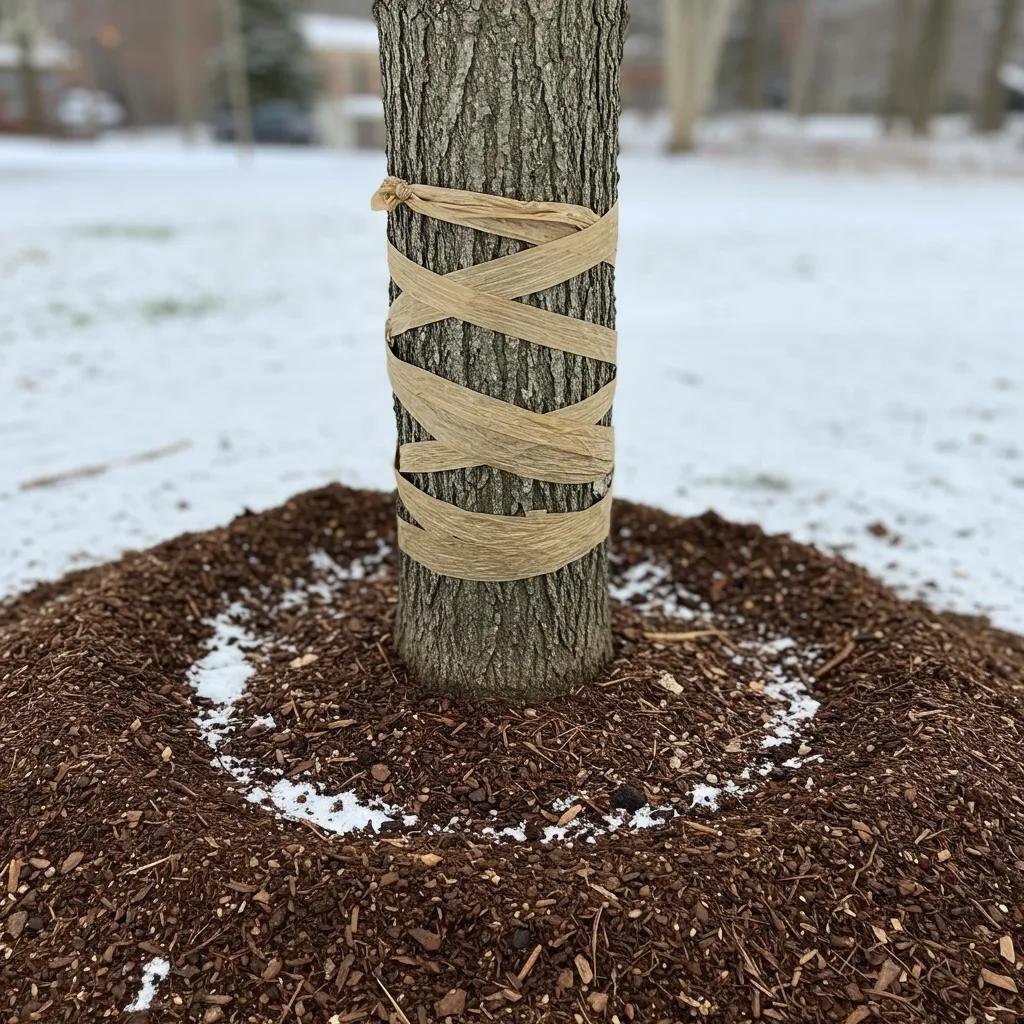
Winter tree protection involves a combination of insulation, dormant-season pruning, and careful moisture management to reduce cold stress, lower disease incidence, and prepare trees for vibrant spring growth. Applying layers of mulch and protective wraps shields roots and bark from temperature fluctuations, while strategic thinning of branches improves air circulation and lessens the risk of breakage. For instance, spreading organic mulch around the tree’s drip line helps retain soil warmth and root moisture, setting the stage for strong spring buds.
Why Winter Tree Protection is Crucial for Florida Trees
Even Florida’s mild winters can lead to dehydration and bark splitting when temperatures unexpectedly plummet. Protecting tree tissues through insulation and moisture retention helps maintain cellular integrity and preserves the carbohydrate reserves essential for bud development. Young trees and those with thin bark, such as citrus and palms, require extra attention to prevent frost cracks that can invite pests and diseases.
How to Perform Dormant Pruning for Optimal Winter Tree Health
Dormant pruning involves removing dead or crossing branches when trees are leafless, which helps conserve energy by focusing it on healthy wood and improves the tree’s overall structure. Begin by identifying weak or rubbing limbs, then use sharp, clean tools to make angled cuts just outside the branch collar. This technique encourages a concentrated healing response and minimizes entry points for diseases, boosting the tree’s resilience against spring pests.
Effective Winter Watering Techniques for Trees
Proper winter watering ensures adequate soil moisture and prevents drought stress during dry spells, supporting root activity even when trees are dormant. Water deeply at the root zone every two to three weeks when temperatures remain above freezing, making sure the moisture penetrates beneath the mulch layer. Moist soil acts as a buffer against sudden cold snaps and sustains the microorganisms vital for nutrient cycling.
Winter Watering Tools and Supplies for Effective Tree Hydration
Before winter rains become less frequent, gather these essential watering supplies to maintain consistent hydration:
- A heavy-duty garden hose with an adjustable nozzle for deep root soaking.
- A moisture meter to accurately gauge soil dryness below the surface.
- Organic mulch, such as shredded bark, to help retain soil moisture.
- Root-watering spikes for targeted nutrient delivery near feeder roots.
- A rain barrel or storage tank to collect and reuse precious rainwater.
These tools ensure that your winter watering efforts maximize soil moisture retention and contribute to the long-term health of your trees.
How to Identify and Manage Winter Pests and Diseases
Monitoring for scale insects, fungal cankers, and leaf spot diseases during the dormant season helps prevent outbreaks in the spring. Inspect bark crevices and prune affected branches, then consider applying horticultural oil to smother scale or a dormant-season fungicide to vulnerable areas. Early treatment can curb the spread of issues and preserve tree vigor, reducing the need for more intensive interventions later.
When to Call a Certified Arborist for Winter Tree Care
Engage a certified arborist for structural issues that are beyond safe DIY pruning, or when trees exhibit extensive bark damage, signs of root heave, or significant dead wood. A professional assessment can identify hidden risks, such as internal decay, and ensure that corrective measures are implemented according to industry-approved standards. Prompt expert intervention is crucial for preserving tree safety and optimizing long-term health.
Executing Spring Tree Pruning and Maintenance for Optimal Growth
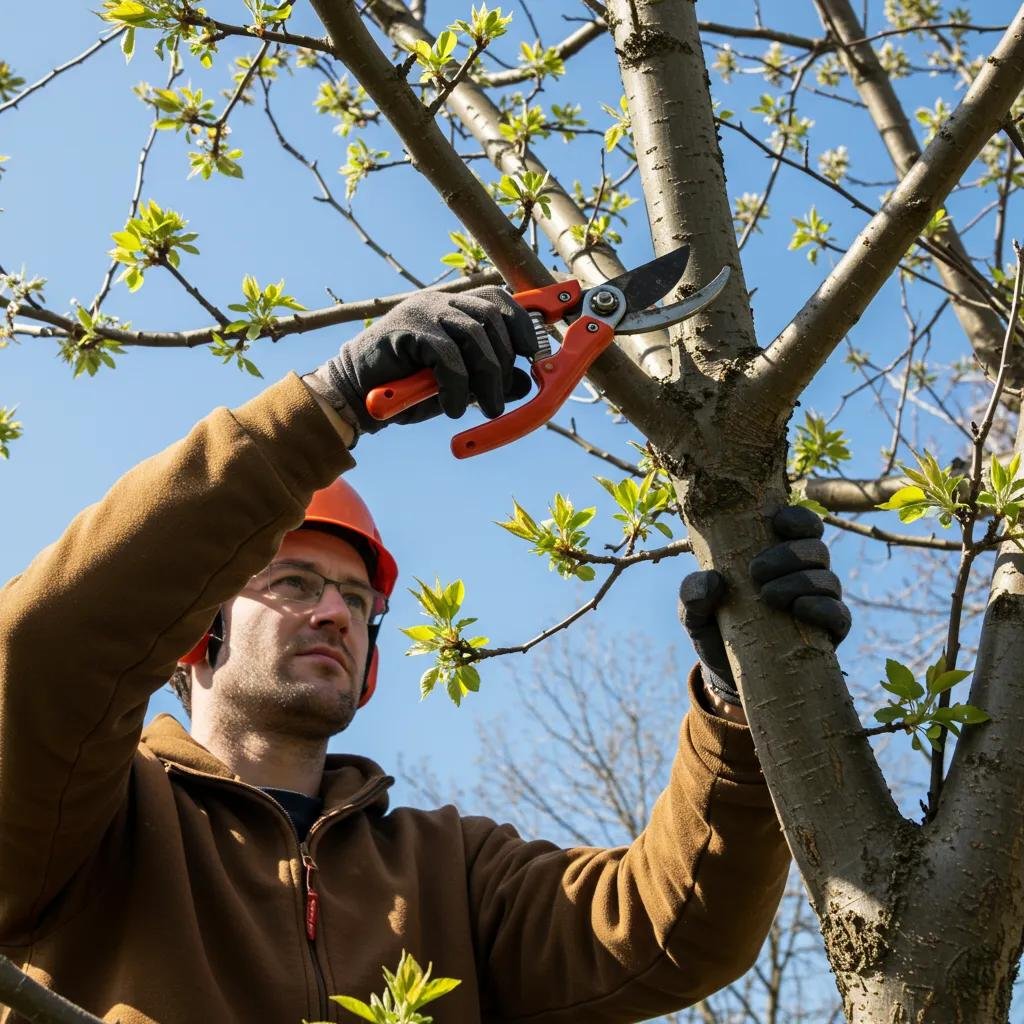
Spring tree pruning, combined with nutrient replenishment and pest surveillance, is essential for encouraging robust foliage and abundant flowering. Pruning helps shape the tree for balanced branch architecture, fertilization provides vital nutrients for leaf-out, and vigilant monitoring helps catch early pest and disease escalations. For example, strategically thinning crowded limbs allows sunlight and air to penetrate, stimulating new growth and blossom development.
The Best Time for Spring Tree Pruning in Port Orange
Prune your trees after the last threat of frost has passed but before the sap flow becomes too rapid—typically between late February and early April. This timing minimizes sap loss and stress on wounds, while promoting swift callus formation as temperatures rise. Focus on removing dead, diseased, or crossing branches to optimize nutrient distribution and maintain a well-balanced canopy.
This guide offers insights into pruning techniques for trees, shrubs, and palms in Florida, detailing optimal timing and methods.
Florida Tree Pruning: Timing and TechniquesThis guide addresses pruning techniques for trees, shrubs, and palms in Florida. It discusses the necessity of pruning, optimal timing, different pruning methods, and specific applications for trees and shrubs, as well as pruning for particular objectives. Furthermore, it provides guidance on pruning large shade trees during their dormant period or when they are young.Pruning landscape trees and shrubs, Unknown Author, 2005
Following a Spring Tree Fertilization Schedule
A structured fertilization plan in spring supplies trees with essential nitrogen, phosphorus, and potassium when their roots are most receptive to uptake. Apply a slow-release, balanced fertilizer around the drip line in early March, followed by a second application about six weeks later. This approach promotes steady nutrient availability, supports healthy leaf development, and strengthens the root system.
Spring Fertilizer Application Tools and Organic Supplies
Having the right equipment and supplies ready ensures precise and environmentally friendly fertilization:
- Calibrated spreaders for even application of granular fertilizer across the drip line.
- Compost-enriched topdressing to enhance soil organic matter.
- A soil probe for testing nutrient levels prior to application.
- Liquid kelp extract for micronutrient support via foliar spray.
- Biodegradable fertilizer stakes for deep-root nutrient delivery.
Utilizing these tools promotes efficient nutrient uptake and helps minimize runoff.
Monitoring and Controlling Spring Pests and Diseases
Early scouting for aphids, caterpillars, and fungal spores is crucial for preventing infestations from taking hold. Inspect new leaf clusters for sap-sucking insects and examine bark for signs of canker spots. Introduce beneficial insects like ladybugs, apply horticultural soaps or targeted miticides, and prune out infected limbs to maintain a healthy canopy.
Best Practices for New Tree Planting in Spring
Choosing native or climate-adapted species and planting during the moist spring weather significantly increases survival rates. Dig a hole that is twice as wide as the root ball but no deeper, backfill with the native soil, apply mulch to conserve moisture, and water regularly. Staking young trees can reduce wind sway and root disturbance, establishing a stable foundation for future growth.
How Spring Tree Care Enhances Property Value
A well-maintained tree canopy significantly improves curb appeal, enhances shade benefits, and can reduce energy costs, all of which contribute to greater homeowner satisfaction and increased market value. Trees that are properly pruned and fertilized display vibrant foliage and blooms that accentuate landscaping, leaving a positive and lasting impression on potential buyers or visitors.
Key Summer Tree Health Strategies to Combat Heat and Storms
Summer tree health strategies focus on managing drought stress, performing aesthetic pruning, controlling pests, and preparing for storm season to protect trees under high temperatures and severe weather conditions. Mulching and deep watering help conserve soil moisture, selective pruning shapes branches for better wind resistance, and targeted treatments address pests that thrive in the heat. Proactive preparation before hurricane season minimizes limb failure and enhances safety during storms.
Managing Drought Stress in Summer Trees
Maintaining consistent soil moisture is vital to prevent heat wilt and foliage browning when rainfall is insufficient. Apply a 4–6 cm layer of organic mulch around the root zone to reduce evaporation, then water deeply once a week, allowing for slow saturation to encourage deep root growth. The combination of mulch and irrigation optimizes moisture retention and temperature regulation.
When and How to Perform Summer Pruning for Tree Shape
Summer pruning, ideally in early July, helps refine the tree’s canopy shape by removing non-fruiting water sprouts and shaded interior branches. This improves light penetration and air movement within the canopy. Use clean bypass pruners to make precise cuts, ensuring you don’t remove more than 25% of the live foliage, which could stress trees already dealing with heat. This targeted approach enhances structure without compromising photosynthesis.
Common Summer Pests and Their Treatments in Port Orange
Scale insects, borers, and spider mites are common in warm months, feeding on tree sap and weakening the tree. Identifying infestations early—often indicated by sticky honeydew or webbing—allows for prompt treatment with horticultural oil for scales, systemic insecticides for borers, and miticidal soaps for mites. Regular inspection and the correct selection of treatments protect tree health without harming beneficial organisms.
Summer Pest Control Products Recommended for Port Orange Trees
Effective pest control products help optimize treatment and minimize environmental impact:
- Extended-release formulations of dormant-season horticultural oil.
- Systemic emamectin benzoate for borers in large trees.
- Neem oil solutions for suppressing sap-sucking insects.
- Insecticidal soaps that are safe for foliage and beneficial insects.
- Mildew-control sprays containing potassium bicarbonate.
These treatments help maintain canopy vigor and resilience during summer stress.
Preparing Trees for Hurricane and Storm Season
Securing weak branches, installing support cables, and removing hazardous limbs are key steps to reducing storm damage. Inspect the canopy for loose or dead wood, prune back overextended limbs, and reinforce vulnerable codominant stems with arborist-installed cables. Timely preparation significantly lowers the risk of injury or structural failure during high winds.
The impact of hurricanes on urban forests, particularly tropical and subtropical species, highlights the importance of understanding species-specific resilience during severe weather events.
Impacts of Hurricanes on Urban Forests: Tropical and Subtropical SpeciesIn 1998, when Hurricane Georges (177 km/h) traversed the entirety of Puerto Rico, and in 2004, when Hurricanes Jeanne (193 km/h) and Charley (233 km/h) impacted south Florida, USA, we quantified the effects of these hurricanes on the urban forest comprising tropical and subtropical species. The percentage of urban forest loss varied from 13% for Georges to 16% for Jeanne and 18% for Charley. During Hurricanes Jeanne and Charley, palm trees exhibited significantly greater survival rates compared to all other tree species.Hurricanes and the urban forest: II. Effects on tropical and subtropical tree species, Unknown Author, 2007
When to Seek Emergency Tree Services During Summer Storms
Seek professional emergency tree services immediately if large limbs split, root systems become uprooted, or trunks develop critical fractures. Certified arborists can assess structural integrity, perform safe removals, and stabilize damaged trees to prevent property harm and restore landscape safety.
Identifying and Preventing Fall Tree Diseases in Port Orange
Fall disease prevention involves sanitation, targeted pruning, and appropriate treatment applications to disrupt pathogen life cycles and prepare trees for winter dormancy. Removing fallen leaves and infected debris minimizes sources of infection, strategic limb thinning improves air circulation, and timely fungicide treatments protect against autumnal infections. These measures help maintain trunk health and prepare trees for a safe winter rest.
Most Common Fall Tree Diseases and Their Symptoms
Common fall diseases include powdery mildew, anthracnose, and verticillium wilt, which manifest as white leaf coatings, brown lesions along veins, and wilting sections of the canopy, respectively. Early symptom recognition—such as leaf distortion or bark discoloration—allows for prompt removal of infected material and treatment before widespread propagation.
Performing Leaf and Debris Cleanup to Control Disease
Clearing fallen leaves and pruning debris is essential for eliminating overwintering fungal spores and insect eggs. Rake leaves away from tree trunks, shred or compost healthy material, and dispose of diseased branches off-site. This sanitation practice significantly reduces the inoculum load and lowers the likelihood of disease in the spring.
Strategic Fall Pruning Techniques for Tree Health
Selective thinning of crowded branches in autumn helps reduce shaded, damp areas where pathogens tend to proliferate. Focus pruning cuts on crossing limbs and interior suckers to maintain an open canopy that dries quickly after rain. Proper cut placement at branch collars promotes faster wound closure and limits infection entry points.
Fall Pruning Tools for Disease Prevention and Tree Health
Essential pruning tools and supplies enhance precision and safety during autumn maintenance:
- Bypass pruners for removing live branches.
- Lopping shears for medium-diameter limbs.
- Pruning saws with replaceable blades for larger branches.
- A disinfectant solution for sanitizing tools between cuts.
- Protective gloves and eye protection for safe operation.
Using the appropriate tools and maintaining good hygiene prevents disease spread and ensures clean, effective cuts.
Applying Anti-Fungal Treatments in Autumn
Applying broad-spectrum fungicides after leaf drop helps shield trees from residual spores and penetrates bark crevices where pathogens may be hiding. Schedule treatments for late October, after foliage has been cleared, targeting susceptible species like oak and maple. Repeat applications according to label instructions to maintain protective coverage throughout dormancy.
Preparing Trees for Winter Dormancy After Fall Care
Transitional care includes deep irrigation before the first frost, applying mulch around the root zone, and using dormant oil sprays to suppress overwintering pests. Encouraging moisture retention and effective pest control supports cellular health and preserves stored energy reserves, ensuring vigorous emergence in the spring.
Optimal Year-Round Tree Fertilization Schedule for Port Orange Trees
A year-round fertilization schedule synchronizes nutrient delivery with seasonal growth cycles, promoting robust root development, canopy vigor, and resilience against stress. Applying specific fertilizer types each season—high-nitrogen in spring, balanced applications in summer, and phosphorus-rich blends in fall—ensures trees receive the right nutrients when uptake is most efficient. Consistent nutrition extends tree longevity and enhances their tolerance to pests and environmental stressors.
| Season | Fertilizer Type | Main Benefit |
|---|---|---|
| Early Spring | Balanced 10-10-10 slow-release | Supports leaf expansion and root growth |
| Early Summer | High-nitrogen organic blend | Sustains foliage development and stress tolerance |
| Late Summer | Potassium-enhanced formulation | Strengthens cell walls and drought resilience |
| Early Autumn | Phosphorus-rich 5-15-10 mix | Encourages root strengthening and bud set |
How Fertilization Promotes Root Growth and Tree Longevity
Nutrient application stimulates root cell division and enhances mycorrhizal associations, which improve the uptake of water and minerals. For instance, phosphorus accelerates root hair development, increasing the surface area available for nutrient absorption. Strong root systems provide better anchorage, reduce transplant shock, and ultimately extend the tree’s lifespan.
Recommended Fertilizer Types for Local Tree Species
Native species like live oak thrive with organic compost topdressing and balanced blends, while citrus trees respond well to nitrogen-rich granular formulas and micronutrient sprays. Palm trees require specialized granular fertilizer containing magnesium and manganese to prevent frond yellowing. Selecting species-specific products maximizes nutrient uptake and prevents deficiencies.
Protecting citrus trees from cold snaps is crucial in Florida, and various methods have been explored to ensure their survival during unexpected temperature drops.
Citrus Tree Cold Protection: Performance of Individual CoversMethods previously employed to protect young trees have focused on the use of individual tree covers to provide greater height protection for young citrus trees. The trial was conducted during the winter of 1985-86 in a grove of young Valencia orange trees.Performance of individual tree covers for cold protection of young citrus, LR Parsons, 1985
When to Fertilize Trees During Each Season
Fertilization timing should align with active root and shoot growth phases: early spring at bud break, mid-summer after the initial growth flush, and early autumn before dormancy sets in. Avoid late-autumn applications when root activity decreases, as this can lead to nutrient leaching and frost injury.
Safely Applying Fertilizer to Avoid Tree Damage
Broadcast granular fertilizer evenly around the drip line and water thoroughly to dissolve granules and prevent root burn. When using spikes or stakes, space them evenly and follow the label-recommended depths. Overapplication can cause foliage scorch or nutrient imbalance, so always adhere strictly to dosage guidelines.
Conducting Seasonal Tree Health Assessments for Early Problem Detection
Seasonal health assessments systematically evaluate tree structure, foliage condition, and soil health to detect signs of stress before irreversible damage occurs. Regular inspections by certified arborists or property owners can reveal pest infestations, nutritional deficiencies, and structural weaknesses early on. Proactive assessments improve safety, reduce the need for emergency repairs, and preserve landscape value.
Signs of Tree Stress and Disease by Season
Seasonal indicators include winter bark splits, spring leaf chlorosis (yellowing), summer wilted foliage, and fall premature leaf drop. Observing trunk cankers, abnormal sap exudation, and root collar flare issues across different seasons helps diagnose underlying problems and informs targeted interventions.
How Certified Arborists Perform Tree Health Inspections
Certified arborists follow a structured protocol: visual canopy surveys, trunk sounding to detect decay, soil pH and nutrient testing, and root flare examination. Using specialized tools like increment borers and resistographs, arborists can assess internal decay and structural integrity, providing detailed reports and remediation plans.
When It's Necessary to Schedule a Professional Tree Inspection
Arrange a professional inspection when you notice signs of decay, large dead branches, soil heaving, or after severe weather events. Early expert evaluation helps prevent safety hazards and guides corrective pruning, pest treatment, or support installations, ultimately reducing long-term costs.
How Regular Assessments Improve Tree Safety and Property Value
Routine assessments ensure structural stability, reduce the risk of limb failure, and maintain aesthetic appeal, all of which contribute to safer landscapes and enhanced market values. Well-maintained trees reflect conscientious property stewardship, attracting potential buyers and fostering a resilient urban canopy.
Seasonal Tree Health Assessment Checklists for Property Owners
- Inspect trunk and branches for cracks or decay.
- Measure soil moisture and mulch depth.
- Examine foliage for discoloration and spotting.
- Check the root collar for soil buildup or exposure.
- Note any pest presence or unusual growth patterns.
This structured approach facilitates early detection and informed care decisions.
Best Practices for Seasonal Tree Care Specific to Port Orange’s Climate and Species
Tailoring tree care to Port Orange’s humid subtropical climate and prevalent species ensures that seasonal practices yield maximum benefits. Native live oaks, palms, and citrus trees each have distinct requirements for water, pruning, and pest management. Factoring in the intensity of hurricane season and local rainfall patterns optimizes care strategies and safeguards the integrity of our urban canopy.
Tree Species Most Common in Port Orange and Their Seasonal Needs
Live oaks thrive with light winter pruning and balanced spring fertilization, while sabal palms require minimal trimming and consistent moisture. Citrus trees benefit from protective wraps during rare cold snaps and high-nitrogen feeding in spring and summer. Aligning care routines with species physiology enhances their performance and disease resistance.
How Port Orange’s Climate Affects Seasonal Tree Care Strategies
High humidity levels can encourage fungal diseases in spring and fall, necessitating vigilant sanitation and fungicide use. Intense summer heat and occasional droughts demand deep watering and mulching. Mild winters generally reduce pruning restrictions but still require frost-protection measures for sensitive species.
Hurricane Season Preparations for Trees in Port Orange
Before June, prune weak or crossing limbs, secure large specimens with support cables, and clear debris from the canopy. Removing hazardous branches and reinforcing root zones significantly lowers the chance of uprooting and property damage during tropical storms.
Protecting Citrus and Palm Trees Through Seasonal Care
Wrapping young citrus trunks during cold spells prevents frost damage, while consistent irrigation helps avoid heat stress. Palm trees benefit from micronutrient sprays containing magnesium and manganese in the summer to maintain frond health. Timely trimming of dead fronds reduces pest harborage and vulnerability to storm damage.
Consistent, season-specific tree care that respects Port Orange’s climate and species diversity cultivates resilient, vibrant landscapes year-round. Partnering with local certified arborists ensures expert guidance and professional services precisely tailored to regional needs.
Trees that receive consistent, season-specific attention are stronger, safer, and more beautiful. By following these expert guides and enlisting professional arboricultural support when needed, Port Orange property owners can enjoy thriving trees and enhanced curb appeal throughout the year.