Mastering Tree Care: Essential Arboriculture Glossary
Well-cared-for trees can significantly enhance your property’s value, by as much as 19 percent, while also providing crucial protection against storm damage and disease. However, navigating the technical language of arboriculture can be daunting for many property owners, making timely pruning, disease management, and seasonal care a challenge. This glossary aims to demystify key terms in tree pruning, common tree ailments, health assessment techniques, best practices, seasonal maintenance, and the roles of tree care professionals. You’ll learn how techniques like Crown Thinning, managing Dutch Elm Disease, and understanding the Branch Collar are directly linked to the expert services offered by licensed, ISA-certified arborists at Tree Service Port Orange. By familiarizing yourself with these essential arboriculture terms, you’ll be better equipped to assess tree health, manage pests, and implement a thorough seasonal tree care checklist. Let’s explore everything from formative pruning to winter protection, charting a clear course toward healthier, longer-lasting trees and ensuring you know when to call for expert assistance.
What Are the Most Common Tree Pruning Techniques Explained?
Tree pruning techniques involve precise cutting methods designed to improve a tree’s structure, encourage robust growth, and mitigate potential hazards. By strategically removing branches based on the tree’s species, age, and health, arborists enhance air circulation, allow more light to penetrate the canopy, and promote overall balance. Property owners reap the benefits of reduced storm damage, improved aesthetics, and healthier growth when techniques like crown and formative pruning are applied correctly.
Key pruning techniques include:
- Crown Thinning
- Crown Lifting
- Crown Reduction
- Deadwooding
- Pollarding
- Formative Pruning
These methods are tailored to various objectives—from reducing wind resistance in mature trees to shaping younger ones—all contributing to safe and sustainable urban forestry. Understanding each technique provides a solid foundation for appreciating why and how these specific cuts foster strong tree health.
What Is Crown Thinning and Why Is It Important?
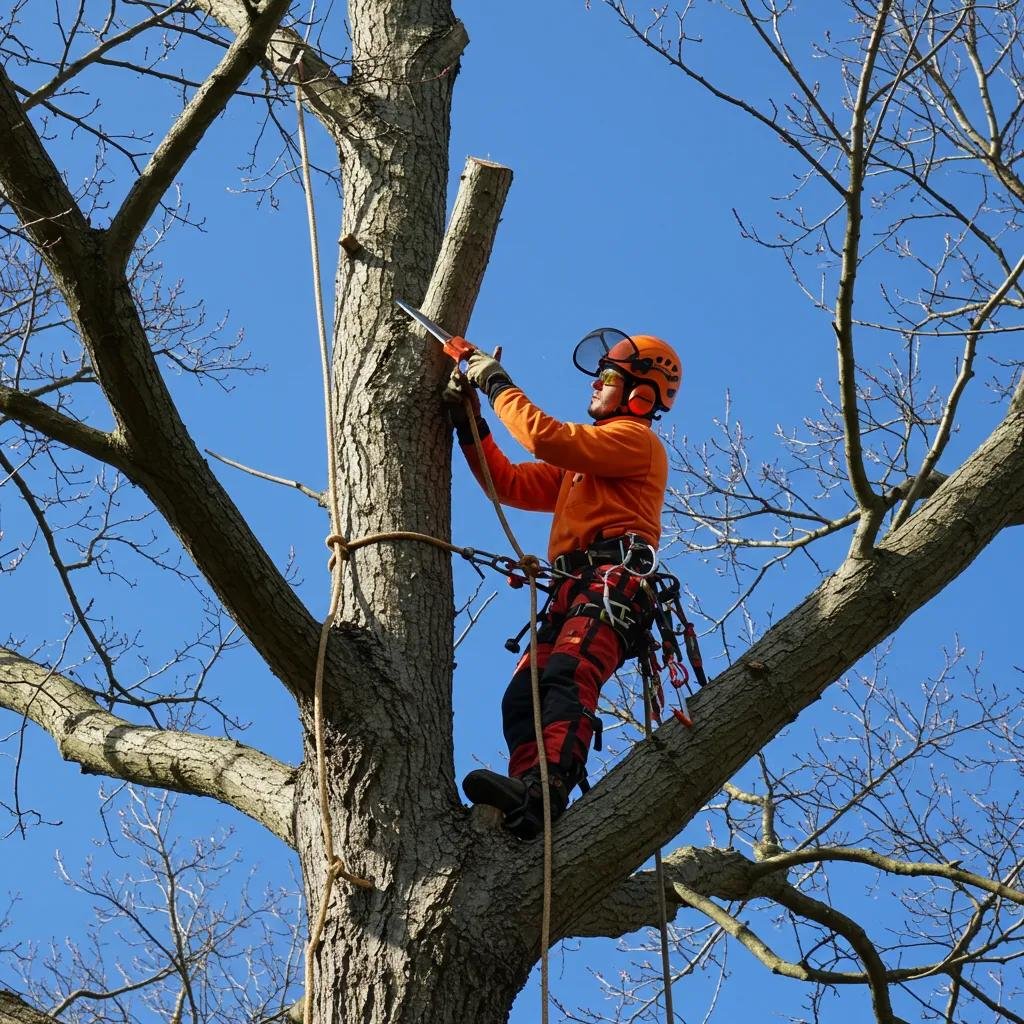
Crown Thinning is a pruning technique that reduces the density of branches within the tree’s canopy to enhance light penetration and air circulation. By selectively removing interior and crossing branches, this method boosts photosynthetic efficiency and decreases wind resistance, thereby lowering the risk of limbs breaking during storms. Arborists typically remove no more than 15–20 percent of the live crown in a single session to maintain the tree’s structural integrity. Improved light distribution also benefits understorey plants and helps prevent fungal diseases by allowing foliage to dry more quickly.
How Does Crown Lifting Improve Tree Health?
Crown Lifting involves removing lower branches to a specific height, creating more clearance for pedestrians, vehicles, and buildings. By raising the canopy, arborists promote better trunk development and reduce the likelihood of decay at the tree’s base. This technique also improves visibility and ensures that spray applications clear the crown, protecting foliage health. Over time, a properly lifted crown supports better weight distribution and minimizes the risk of basal rot, which can compromise a tree’s long-term stability.
What Are the Benefits of Crown Reduction?
Crown Reduction is used to decrease the overall size of a tree’s canopy by shortening branch lengths, which reduces weight and wind resistance. Property owners often opt for this method to prevent overhanging branches from posing a risk to power lines, roofs, or neighbouring properties. When executed skillfully, crown reduction maintains the tree’s natural shape while alleviating structural stress. The outcome is stronger limbs, a reduced risk of branch failure, and improved clearance without compromising the tree’s aesthetic appeal.
How Is Deadwooding Performed and When Is It Needed?
Deadwooding is the process of removing dead, diseased, or broken branches from a tree’s canopy to eliminate hazards and prevent pest infestations. Arborists identify compromised wood by examining bark splits, fungal growths, and brittle twig tissue. Careful pruning, made just outside the branch collar, encourages proper wound closure. Regular deadwooding supports tree vitality by redirecting energy to healthy growth and minimizing entry points for wood-decaying organisms.
Employing the correct pruning techniques is vital for tree health, particularly when addressing dead or damaged branches.
Correct Pruning Cuts: Preventing Branch Collar Damage
… A correct pruning cut should not damage either the branch bark ridge or the branch collar. … Flush cuts made within the branch bark ridge or branch collar result in pronounced …How to prune trees, Unknown Author, 2016
What Is Pollarding and When Should It Be Used?
Pollarding is a specialized pruning technique that involves cutting back all major limbs to specific points, known as pollard heads. This method, applied to certain species like London plane or willow, stimulates vigorous regrowth from these points while controlling the mature size of the tree. Pollarding reshapes the canopy architecture and can extend the lifespan of urban trees when maintained on a regular cycle. It’s best initiated when trees are young and repeated every few years to prevent excessive regrowth and structural weakness.
How Does Formative Pruning Shape Young Trees?
Formative Pruning involves selectively removing branches during a tree’s first 3–5 years to establish a strong central leader, ensure proper branch spacing, and minimize included bark. By guiding the development of scaffold limbs early on, arborists help young trees build a balanced structure that can better withstand storm damage and heavy snow loads. Effective formative pruning also prevents the need for more extensive corrective pruning later in life, which can result in large wounds and compromise wood integrity, ultimately setting the stage for healthier, longer-lived trees.
Which Common Tree Diseases and Pests Affect UK Trees?
Trees across the UK are susceptible to a variety of diseases and pests that pose a threat to both urban and rural canopies. Recognizing the key pathogens and insects is essential for early detection and effective pest management. Arborists combine visual diagnosis with targeted treatments to safeguard species like oaks, elms, ash, and maples from decline.
Major diseases and pests include:
- Oak Wilt
- Dutch Elm Disease
- Anthracnose
- Ash Dieback
- Emerald Ash Borer
- Leaf Spot Disease
Proactive monitoring and timely interventions, such as disease treatment and pest control, are crucial for containing infections and addressing them before irreversible damage occurs.
What Are the Symptoms and Treatment of Oak Wilt?
Oak Wilt is a fungal disease that causes rapid wilting, discolouration of leaf veins, and leaf drop, primarily affecting evergreen oak species. Infected trees often display streaks of wilt on their lower leaves before the entire canopy turns brown. Treatment involves immediate trenching around the root system to limit fungal spread and targeted fungicide injections administered by qualified arborists. Preventive measures include pruning only during dry periods and sterilizing equipment to prevent transmission.
How to Identify and Manage Dutch Elm Disease?
Dutch Elm Disease typically manifests as yellowing foliage on one side of the canopy, wilting shoots, and longitudinal bark splits that ooze amber gum. Spread by bark-boring beetles and root grafts, this vascular wilt can prove fatal to mature elms within weeks. Management strategies include sanitation pruning to remove infected limbs, injecting systemic fungicides, and removing stumps to eliminate beetle breeding grounds. Certified experts recommend annual monitoring of susceptible elms and prompt removal of declining trees to protect nearby specimens.
Understanding the specific characteristics of branches is fundamental to effective pruning and how trees naturally heal wounds.
Branch Morphology and Pruning Wound Compartmentalisation
… pruning cuts extended from just outside the branch bark ridge on the upper side of the branch, to the outside of the branch collar on the branch… in wood anatomy and growth habit, the …Branch morphology impacts compartmentalization of pruning wounds, JC Grabosky, 2002
What Is Anthracnose and How Does It Impact Trees?
Anthracnose encompasses a group of fungal diseases that cause irregular brown or tan leaf spots, cup-shaped outgrowths on leaves, and premature leaf drop. Commonly seen on sycamore, ash, and maple trees, anthracnose reduces the tree’s ability to photosynthesize and weakens it over several seasons. Preventive cultural practices include improving air circulation through crown thinning, avoiding overhead watering, and applying leaf mulch in autumn to disrupt fungal spore cycles. Targeted fungicide applications in early spring can further limit initial infections.
How Does Ash Dieback Affect Tree Health?
Ash Dieback is caused by the fungus Hymenoscyphus fraxineus, which leads to bark lesions, cracking, and dieback of branch tips. Affected trees develop diamond-shaped cankers on the stem and show a gradual thinning of the crown. As chemical treatments are not yet fully effective, management focuses on planting resistant ash varieties, pruning infected limbs, and conducting regular health assessments. Experts emphasize planting diverse species to reduce the vulnerability associated with monocultures.
What Are Emerald Ash Borer Signs and Control Methods?
Emerald Ash Borer larvae tunnel beneath the bark, creating serpentine galleries that disrupt the flow of nutrients. Early indicators include thinning crowns, S-shaped feeding galleries, and D-shaped exit holes visible on the bark surface. Control methods involve injecting approved insecticides into the trunk, introducing natural enemies like parasitic wasps, and removing heavily infested trees to prevent further spread. Regular inspections by certified tree surgeons help detect infestations before significant canopy loss occurs.
How to Recognize Leaf Spot Disease on Trees?
Leaf Spot Disease manifests as small, circular dead spots on the foliage of trees such as horse chestnut and hawthorn. These spots can merge to form larger dead patches, leading to early leaf drop and reduced energy reserves. Improving drainage around the root zone, removing fallen infected leaves, and applying copper-based treatments when weather conditions favour spore germination are effective management steps. Good canopy ventilation, achieved through formative and crown thinning, further helps limit outbreaks driven by moisture.
How to Assess Tree Health: Key Indicators and Anatomy Terms Explained
Assessing tree health requires an understanding of its anatomical features and stress signals that reveal structural integrity and physiological function. Arboriculture integrates visual inspections of bark, roots, branches, and foliage with systematic risk assessment protocols to guide remedial treatments and long-term care strategies.
Core anatomy and health indicators include:
- Branch Collar
- Girdling Roots
- Cambium
- Chlorosis, Necrosis, Dieback
- Woundwood Formation
A methodical health assessment empowers property owners to prioritize actions such as deep watering, soil improvement, and periodic check-ups by ISA-certified arborists.
| Anatomical Part | Function or Indicator | Diagnostic Significance |
|---|---|---|
| Branch Collar | Growth zone at the base of a branch | Proper pruning at this point prevents decay |
| Girdling Roots | Roots that encircle the trunk or other roots | Can lead to canopy dieback and trunk constriction |
| Cambium | Layer of actively dividing cells | Essential for nutrient transport and wound healing |
| Chlorosis | Yellowing of leaves | Often indicates nutrient deficiencies |
| Woundwood | Protective tissue formed around a wound | Demonstrates the tree’s capacity for self-repair |
What Is the Role of the Branch Collar in Tree Care?
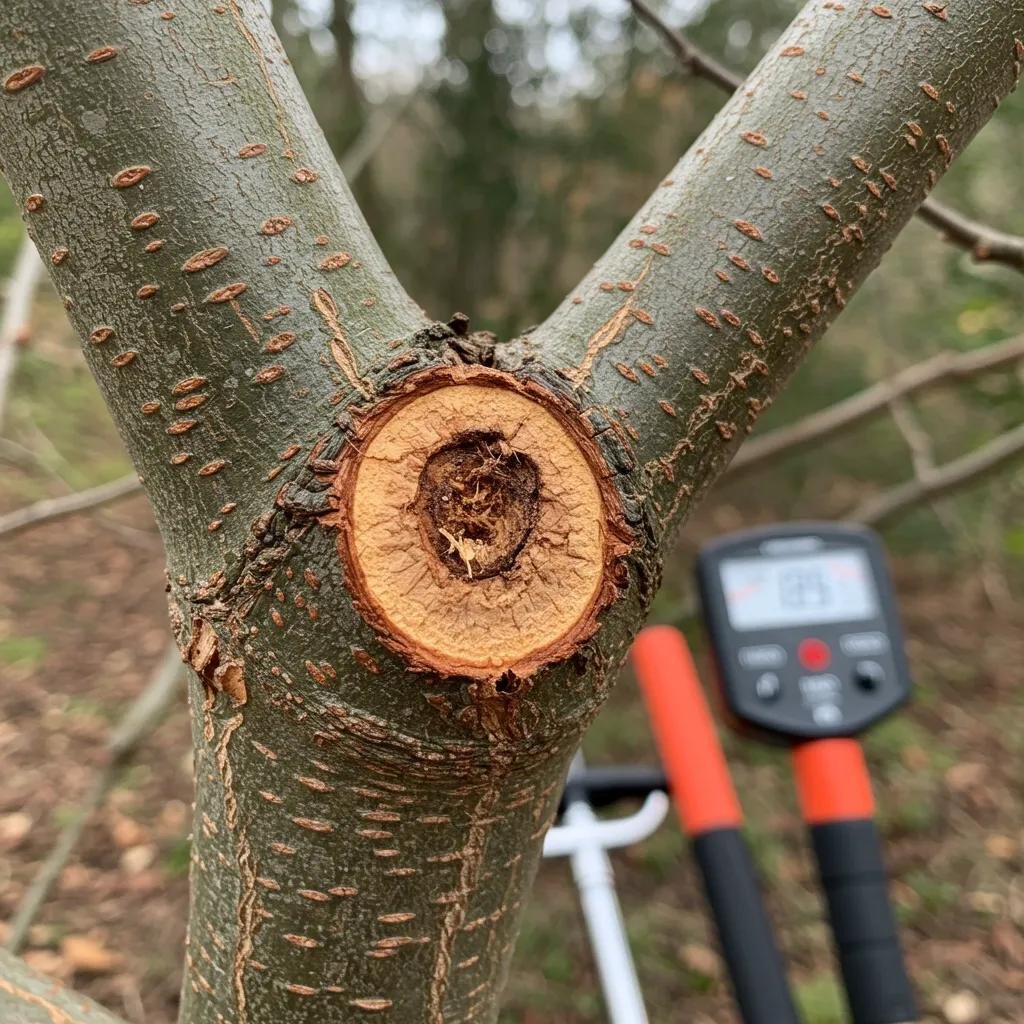
The Branch Collar is the thickened area at the base of a limb where the bark meets the wood, containing specialized cells that facilitate wound closure. Pruning just outside this zone preserves the cambial tissue and speeds up callus formation, preventing decay organisms from entering the trunk. Correct cuts made with the branch collar in mind support the development of sustainable woundwood and ensure long-term structural health.
How to Identify Girdling Roots and Their Risks?
Girdling Roots wrap around the trunk or major roots, restricting the flow of sap and gradually destabilizing the tree. Symptoms include stunted growth, yellowing leaves, and a flared trunk base. Regular inspections at the root flare area are recommended; corrective root pruning by experienced arborists can alleviate constriction, improving oxygen and moisture absorption and reducing the risk of branch or trunk failure.
What Does Cambium Do in Tree Growth?
Cambium is a thin, living layer of meristematic cells situated between the bark and the wood, responsible for secondary growth. By producing new xylem and phloem tissues, the cambium contributes to trunk thickening and the transport of nutrients. Healthy cambial function is vital for wound repair following pruning, ensuring that callus tissue develops around the branch collar and that the canopy continues to receive water and photosynthates efficiently.
What Are Common Tree Stress Indicators to Watch For?
Indicators of stress, such as premature leaf drop, epicormic shoots, branch dieback, and sprouting from the trunk, often signal issues like water deficiency, soil compaction, or pest infestations. Chlorotic leaves and reduced bud development further point to environmental strain. Consistent monitoring of these signs allows arborists to recommend appropriate interventions—such as mulching, deep watering, and soil aeration—to restore vigor and resilience.
How Does Arboriculture Support Tree Health and Longevity?
Arboriculture applies scientific principles and industry-approved standards to maintain tree health, safety, and aesthetic appeal. ISA-certified arborists conduct thorough assessments, perform structural pruning, diagnose diseases, and manage soil conditions to extend tree lifespans. By adhering to ANSI A300 pruning guidelines, conducting regular inspections, and providing appropriate fertilization, professional tree care ensures that urban and rural canopies flourish for decades.
What Are the Best Tree Care Practices for Healthy Growth?
Achieving healthy tree growth depends on nurturing the root environment, maintaining proper moisture levels, and ensuring adequate nutrient availability. The best tree care practices combine mulching, deep watering, preventing soil compaction, fertilization, and structural support to optimize physiological function and structural stability.
Core care practices include:
- Mulching
- Deep Watering
- Soil Compaction Prevention
- Tree Fertilisation
- Tree Staking
Establishing a consistent care routine helps prevent stress buildup and enhances growth rates, while also minimizing the need for more intensive interventions later on.
Why Is Mulching Beneficial for Trees?
Mulching involves applying a 5–10 cm layer of organic material around the root flare to regulate soil temperature, conserve moisture, and suppress weeds. This protective layer improves soil structure, encourages beneficial microorganisms, and reduces compaction. By maintaining optimal moisture levels, mulching directly supports nutrient uptake and reduces drought-related stress.
How to Perform Deep Watering for Optimal Tree Health?
Deep Watering means applying water slowly and thoroughly to ensure it penetrates the root zone to a depth of at least 30 cm. Using a soaker hose or root feeder, water should be applied weekly during dry spells, ensuring that moisture reaches the actively absorbing roots. This technique promotes deeper root development, enhances drought resilience, and minimizes surface runoff.
What Causes Soil Compaction and How to Prevent It?
Soil Compaction occurs when heavy traffic, machinery, or footfall compress soil particles, reducing pore space and hindering oxygen and water infiltration. Compacted soil stresses trees by restricting root growth and nutrient absorption. Preventive measures include installing mulch, establishing designated pathways, aerating the soil with specialized equipment, and avoiding excavation near root zones. Regular assessment of soil density helps guide remediation efforts.
How Does Tree Fertilisation Improve Growth?
Tree Fertilisation provides essential macro- and micro-nutrients, such as nitrogen, phosphorus, potassium, and iron, to soils that may be deficient. A balanced, slow-release formula applied in early spring supports leaf development and root expansion. Soil and foliar tests can inform targeted nutrient supplementation to enhance chlorophyll production, promote robust canopy development, and correct specific deficiencies.
When and Why Should You Stake a Tree?
Staking is used to stabilize newly planted or young trees in exposed locations, preventing wind-rock and root displacement. Stakes and flexible ties should be installed at planting and removed after one growing season to allow for natural trunk taper and biomechanical strengthening. Proper staking reduces transplant shock, encourages upright growth, and prevents leaning, while timely removal avoids girdling and stunted trunk development.
How Does Seasonal Tree Care Affect Tree Health Throughout the Year?
Seasonal changes in temperature, moisture, and daylight necessitate tailored tree care practices to optimize health and minimize stress. A year-round tree care checklist ensures that pruning, watering, protection, and preparation align with the tree’s physiological cycles.
Seasonal care checklist:
- Winter: Protective wrapping, structural pruning
- Spring: Blossom and bud inspections, fertilization
- Summer: Deep watering, pest scouting
- Autumn: Leaf clearance, root mulching
Coordinated seasonal care supports sustained health, reduces future treatment costs, and prepares trees to withstand climatic extremes.
What Are the Key Steps in Winter Tree Care?
Winter tree care focuses on structural pruning to remove weak limbs, applying protective wraps to prevent frost cracks, and avoiding heavy machinery traffic near frozen root zones. Applying mulch before the first frost helps stabilize soil temperature, and regular inspections can detect rodent damage to young bark. These measures prepare the tree for vigorous spring growth.
How to Protect Trees During Summer Heat?
During periods of intense summer heat, maintain consistent deep watering schedules, monitor soil moisture daily, and apply shade-retaining mulch. Inspect foliage for signs of heat scorch, spider mite infestations, and drought stress, such as wilting. Installing temporary shade cloths over sensitive species and performing selective pruning to increase airflow can help mitigate heat-related damage.
What Should You Do for Spring Tree Care and Planting?
Spring care involves inspecting buds for insect eggs, applying slow-release fertilizer, and pruning deadwood once new growth begins. When planting new trees, select appropriate species, prepare well-drained planting holes, and stake young specimens if necessary. Early-season soil testing can guide nutrient amendments for an optimal start to the growing season.
How Does Autumn Tree Care Impact Tree Health?
Autumn care includes raking and disposing of diseased leaves to prevent overwintering fungi, mulching root zones to maintain stable soil temperatures, and reducing irrigation as trees enter dormancy. Pruning structural defects before sap flow significantly slows can prevent tear-out and minimize wound extension. The care provided in autumn directly influences the tree’s vitality in the spring.
Who Are Tree Care Professionals and What Roles Do They Play?
Tree care professionals encompass a variety of specialists whose expertise is crucial for the safe and effective maintenance of urban and rural canopies. From certified arborists to skilled tree surgeons, each role contributes to comprehensive tree health management.
Key professional roles:
- ISA Certified Arborist
- Tree Surgeon
- Arboricultural Consultant
These experts combine scientific knowledge, adherence to safety standards, and an understanding of local ecosystems to deliver services that protect property and promote healthy tree growth.
What Is an ISA Certified Arborist and Why Choose One?
An ISA Certified Arborist has successfully passed rigorous examinations covering tree biology, soil science, and hazard assessment, demonstrating a high level of professional expertise. Choosing a credentialed specialist ensures that pruning, disease diagnostics, and maintenance practices align with accepted industry standards, thereby minimizing risk and maximizing tree longevity.
How Does a Tree Surgeon Differ from an Arborist?
A Tree Surgeon typically focuses on the hands-on aspects of tree work, such as felling, crown shaping, and stump grinding. In contrast, an Arborist adopts a more holistic approach to tree health, encompassing risk assessment, soil analysis, and integrated pest management planning. Collaboration between these roles ensures both structural safety and biological resilience.
What Services Do Tree Care Experts Provide?
Tree care experts offer a comprehensive range of services, including structural pruning, crown restoration, stump removal, disease treatment, pest management, land clearing, and emergency storm response. By combining technical proficiency with advanced equipment and stringent safety protocols, they support property preservation and the long-term health of urban forests.
What Are Frequently Asked Questions About Tree Care Glossary Terms?
Property owners often seek clarification on technical tree care topics before engaging professional services. Common inquiries relate to pruning methods, disease identification, optimal timing for care, home assessment techniques, and the advantages of specific practices. Understanding these common concerns helps lay the groundwork for informed decisions and effective collaboration with local ISA-certified arborists.
What Are the Different Types of Tree Pruning?
Tree pruning encompasses six primary methods: Crown Thinning, Crown Lifting, Crown Reduction, Deadwooding, Pollarding, and Formative Pruning. Each technique is designed to address specific structural or clearance needs, ranging from improving airflow within the canopy to shaping young trees for future strength.
How Do I Identify Early Signs of Tree Diseases?
Early indicators of tree diseases include discoloured leaves, wilting, cankers, fungal growths on the bark, and unusual patterns of dieback. Regular inspections of the canopy during active growth periods, along with off-season checks around the trunk base, can help detect pathogens before they cause extensive damage.
When Is the Best Time to Prune Trees?
The ideal time for pruning varies depending on the tree species and the specific objective. Winter dormancy is suitable for most structural cuts, late spring is best for disease-resistant species, and summer pruning can help manage vigorous growth. The timing also considers sap flow and local weather conditions to minimize stress and reduce the risk of decay.
How Can I Assess Tree Health at Home?
Home health assessments involve observing canopy density, checking bark integrity, inspecting the root flare for any issues, and noting leaf colour and turgor. Simple tools like a soil probe and moisture meter, combined with regular visual checks, can help determine if a professional evaluation is necessary.
What Are the Benefits of Mulching Trees?
Mulching conserves soil moisture, regulates soil temperature, suppresses weeds, and promotes beneficial soil microbes. By maintaining an insulating layer around the root zone, mulching supports nutrient uptake and reduces stress, leading to stronger, more resilient trees.
Effective tree care starts with understanding these fundamental terms and practices, followed by partnering with certified professionals for precise execution. Whether you require structural pruning, disease treatment, or a seasonal maintenance plan, expert guidance ensures your trees thrive year after year—enhancing safety, beauty, and property value.