Essential Tree Care Tips for Homeowners: Expert Guidance on Pruning, Watering, Disease Identification, and Professional Services
Understanding tree biology means recognising species characteristics, growth patterns, and environmental needs to tailor maintenance that promotes health, safety, and aesthetic value. Essential tree care tips for homeowners combine proper pruning, precise watering, early disease identification, and strategic use of professional services to ensure robust growth and property protection. Homeowners will learn how to identify common UK tree species, perform health inspections, improve soil structure, and apply seasonal pruning techniques. This guide also covers optimal watering schedules, disease and pest management strategies, cost considerations for certified arborist consultations, and best practices for planting new trees. Armed with these insights, you can foster a vibrant garden canopy, reduce hazards, and enhance curb appeal, all while knowing when to enlist expert support.
How Can Homeowners Understand Their Trees to Provide Better Care?
Understanding your tree’s unique requirements ensures every maintenance decision—from irrigation to pruning—supports its natural growth mechanisms and long-term stability. Recognising species traits, evaluating health indicators, and improving soil conditions collectively enhance resilience against stressors such as drought, disease, and storm damage. For example, matching pruning timing to a deciduous tree’s dormancy period preserves sap balance and reduces wound stress. Establishing a baseline of species data and environmental factors sets the stage for targeted interventions that maintain structural integrity and visual appeal.
What Are the Common Tree Species in UK Gardens and Their Specific Needs?
In UK gardens, several native and ornamental trees dominate landscapes, each with distinct moisture, soil, and pruning requirements. Selecting the right cultivar and understanding its tolerance for clay, chalky, or loamy soils prevents nutrient imbalances.
| Tree Species | Soil Preference | Key Requirement |
|---|---|---|
| English Oak | Well-drained loam | Deep watering in summer droughts |
| Silver Birch | Acidic to neutral | Annual crown lifts for clearance |
| Scots Pine | Sandy, free-draining | Protection from root waterlogging |
| Japanese Maple | Moist, fertile soil | Shaded site to avoid leaf scorch |
These species tables guide watering regimes, fertiliser selection, and prune cycles by linking soil attributes to maintenance needs. Understanding these plant-soil relationships informs your next step: conducting regular health inspections.
How Do You Assess Tree Health: A Homeowner’s Checklist?
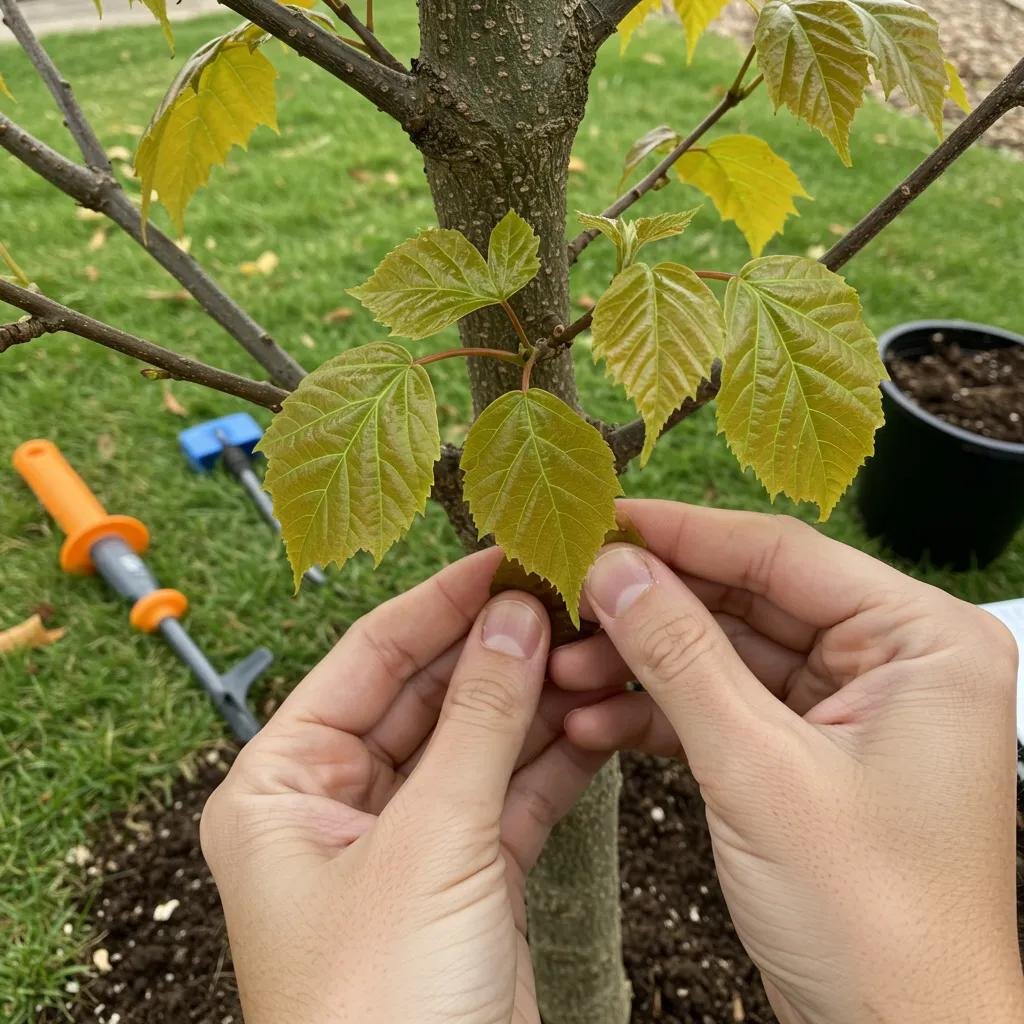
A systematic health assessment identifies emerging issues before they escalate into costly problems. Begin by inspecting bark integrity, leaf colour, branch structure, and root flare exposure with this checklist of visual cues and measurements:
- Examine leaf canopy for discoloration, wilting, or early leaf drop.
- Check trunk for cracks, fungal fruiting bodies, or sap bleeding.
- Observe branch angles and canopy symmetry for structural weaknesses.
- Inspect root collar exposure and signs of girdling or soil compaction.
- Measure soil moisture at root depth using a soil probe or spade.
Each inspection criterion highlights potential disease, pest, or environmental stressors and enables timely corrective action. Consistent use of this checklist creates a health baseline, preparing you to address underlying soil factors next.
Why Is Soil Health Crucial for Tree Growth and How Can You Improve It?
Soil health underpins root development, nutrient uptake, and microbial symbiosis, all of which influence tree vigour and stress tolerance. Poor structure or low organic matter restricts oxygen flow, leading to root suffocation and nutrient deficiencies. Amending soil through organic compost, mulching, and targeted aeration fosters beneficial microorganisms and improves water infiltration.
| Amendment | Purpose | Application Rate |
|---|---|---|
| Organic Compost | Boosts organic content | 5–10 cm layer around root zone |
| Coarse Sand | Enhances drainage in heavy clay | Blend at 10–20 % by volume |
| Leaf-mould | Improves moisture retention | 2–5 cm top-dress in spring |
Incorporating these amendments revitalises depleted soils and supports root expansion, leading naturally into core maintenance practices such as pruning and watering.
What Are the Best Practices for Tree Pruning: Techniques and Timing for Homeowners?
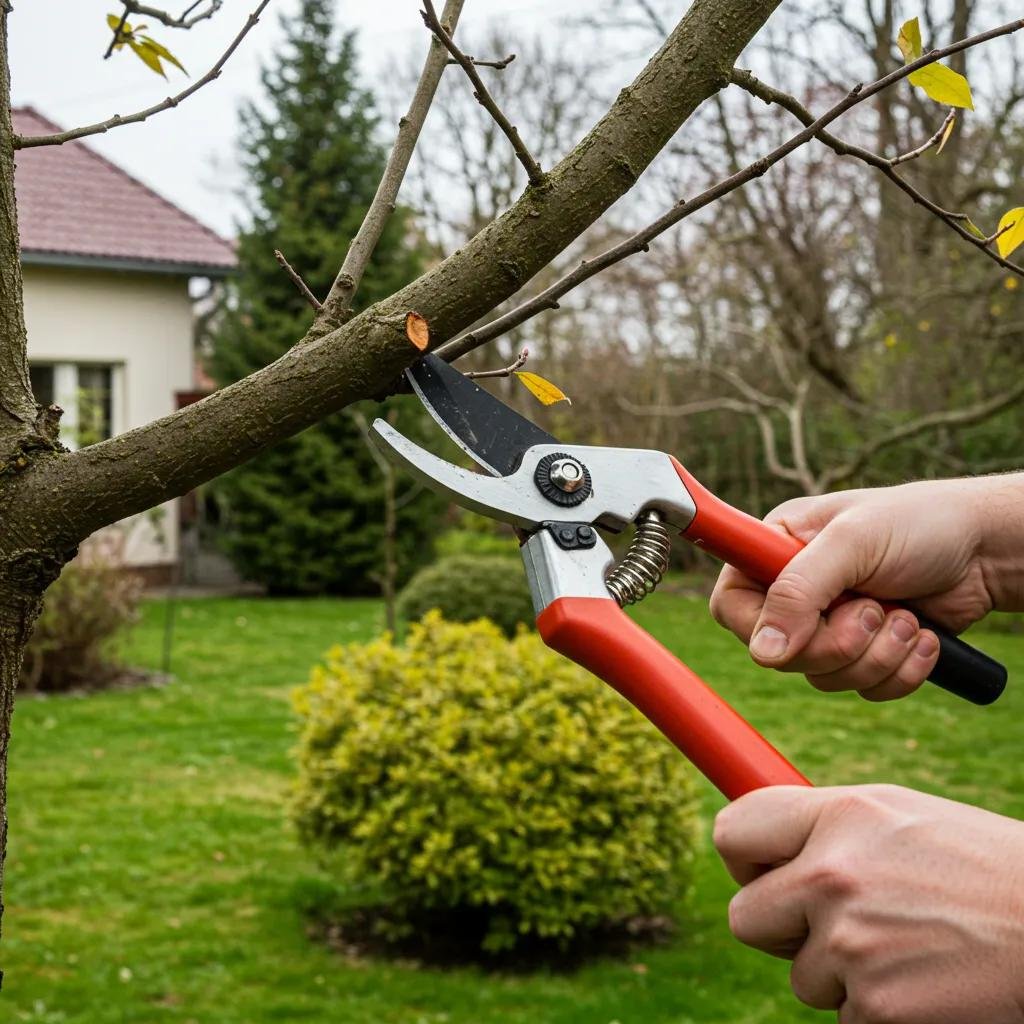
Pruning is the selective removal of branches to improve structural stability, promote growth, and reduce disease transmission. Executed at optimal times, pruning stimulates wound-healing mechanisms and minimises sap loss. For deciduous species, late winter cuts during dormancy prevent excessive bleeding and encourage vigorous spring shoots. Understanding these seasonal cycles ensures each cut supports canopy health and longevity.
When Is the Best Time to Prune Trees in the UK?
The ideal pruning window for most deciduous trees in the UK is between late autumn and early spring, before bud break begins. Pruning during dormancy:
- Reduces sap flow and bleeding.
- Allows wound edges to callus before fungal pressures rise.
- Simplifies branch selection thanks to leaf absence.
Evergreens and ornamental species can tolerate light shaping in late spring or early summer once new growth hardens off. Timing your work to species-specific growth rhythms safeguards tree vitality and structural integrity.
How Do You Perform Proper Tree Pruning to Promote Healthy Growth?
Effective pruning focuses on removing dead, damaged, or crossing branches to channel energy toward healthy limbs. Follow these steps:
- Identify and remove deadwood back to healthy tissue.
- Select outward-facing buds to maintain canopy shape.
- Make clean cuts just outside the branch collar to support healing.
- Thin crowded areas to increase light penetration and airflow.
Adhering to these techniques prevents branch tear and supports balanced canopy development, which naturally transitions into the safety considerations below.
What Are the Safety Tips and Tools Needed for Effective Pruning?
Using the right tools and protective equipment ensures safe and efficient pruning. Essential items include:
- Bypass pruning shears for small twigs.
- Loppers with extendable handles for mid-thick branches.
- Pruning saws with curved blades for larger limbs.
- Hard hat, eye protection, and gloves to guard against falling debris.
- Stable ladder or pole pruner for elevated cuts.
Maintaining sharp, clean tools prevents tissue tearing and disease transmission. Proper safety measures protect both the tree and the homeowner, reinforcing the importance of following professional guidelines as complexity increases.
How Should Homeowners Water Their Trees for Optimal Health?
Correct watering supports root hydration, nutrient transport, and drought resilience. Trees require different volumes and frequencies based on age, soil type, and seasonal demand. For newly planted specimens, frequent shallow watering encourages root establishment near the surface, while mature trees benefit from deeper, less frequent applications that promote extensive root growth.
What Is the Best Time to Water Trees in the UK and How Often?
Early morning waterings minimise evaporation and fungal risk by allowing foliage to dry during daylight. A typical schedule is:
- Newly planted trees: Daily for first two weeks, then every 2–3 days for next three months.
- Established trees: Weekly deep soak equivalent to 25–35 L per 5 cm of trunk diameter in growing season.
- Drought periods: Increase to twice weekly, adjusting for rainfall.
Consistent timing and volume prevent water stress and enable predictable growth cycles.
The precise timing and volume of water are critical for tree health, especially in managed environments.
Optimising Tree Irrigation Schedules Using Plant Water Status Monitoring
In typical ornamental nurseries, irrigation schedules are frequently established subjectively, often resulting in excessive water use and significant fertiliser leaching. Using stem psychrometers to directly measure plant water status (PWS), the relationship between water stress, prevailing environmental conditions, and species-specific stress-tolerance thresholds was characterised. Irrigation scheduling based on predicted plant water status thresholds correlated to cumulative daily environmental conditions (i.e., cumulative vapour-pressure deficit) was tested on Serviceberry (Amelanchier laevis) grown in a drip-irrigated pot-in-pot production system. Three irrigation treatments were applied: (1) conventional practice (control), (2) moderate restriction/stress, and (3) high restriction/stress. The moderate and high treatments reduced water consumption by 46% and 63%, respectively. Trees within the control and moderate irrigation treatments did not differ in stem caliper, while trees within the high stress treatment grew slower but otherwise appeared healthy. This study demonstrated that irrigation schedules based on predicted PWS thresholds significantly reduced water use without impacting plant growth and quality.Drip irrigation scheduling for container grown trees based on plant water status, JA Stoochnoff, 2018
How Does Soil Type Affect Tree Watering Needs?
Soil texture influences water retention and drainage, dictating irrigation strategies:
- Sandy soils drain rapidly and require more frequent, smaller volumes.
- Loamy soils balance moisture and aeration, suiting moderate schedules.
- Clay soils hold water longer but risk waterlogging; deep, infrequent soakings are preferable.
Matching watering patterns to soil characteristics ensures roots receive adequate moisture without succumbing to anaerobic conditions.
What Are the Signs of Overwatering or Underwatering in Trees?
Moisture imbalances manifest in visible symptoms that alert homeowners to adjust irrigation practices:
- Overwatering: Yellowing leaves, root rot odours, and moss growth at base.
- Underwatering: Wilting foliage, dry cracked bark, and premature leaf drop.
Detecting these indicators early allows corrective measures that prevent long-term decline.
How to Use Mulching to Support Tree Health and Soil Moisture Retention
Applying mulch around the root zone conserves soil moisture, regulates temperature, and suppresses weeds. Organic mulches such as bark chips or wood shavings also decompose to enrich soil structure. A 5–10 cm layer placed 30 cm from the trunk and extending to the canopy drip line optimises moisture retention and root insulation.
Mulching practices complement watering regimes by reducing evaporation and supporting microbial activity, ensuring even moisture distribution as trees establish.
How Can Homeowners Identify and Manage Common Tree Diseases in the UK?
Early disease detection and targeted management protect tree health and prevent spread to neighbouring specimens. Fungal, bacterial, and viral pathogens each present distinctive symptoms and require specific interventions. Integrated strategies combining hygiene, timely pruning, and, when necessary, professional treatments preserve canopy integrity and prevent costly removals.
What Are the Most Common Tree Diseases Affecting UK Gardens?
Several ailments frequently impact UK trees, including:
- Powdery Mildew – White fungal coating on leaves.
- Honey Fungus – Rosette leaf wilt and honey-coloured mycelial fans under bark.
- Ash Dieback – Leaf blackening and branch dieback on ash species.
- Silver Leaf – Silvery sheen on susceptible stone fruit tree leaves.
Identifying the causal pathogen guides appropriate management protocols and minimises collateral damage to healthy trees.
How Do You Recognise Early Symptoms of Tree Diseases?
Early disease indicators often include leaf spot patterns, canker formation, or sap exudation. Conduct routine inspections and look for:
- Discoloured patches or powdery coatings on foliage.
- Sunken lesions or ooze on trunks and branches.
- Rapid defoliation or abnormal shoot dieback.
- Presence of fruiting bodies at root collars.
Prompt recognition enables swift interventions, such as pruning out infected limbs and improving air circulation to disrupt pathogen lifecycles.
What Treatment Options Are Available for Diseased Trees?
Treatment approaches vary by disease type and severity:
- Home Remedies: Gallon-scale spray of horticultural oils, copper fungicides, or organic bio-fungicides.
- Cultural Controls: Prune infected tissue during dry weather and sterilise tools between cuts.
- Professional Interventions: Soil-injected systemic treatments, diagnostic laboratory testing, and targeted bark injections.
Combining home maintenance with expert support when necessary ensures comprehensive disease management and sustained tree vitality.
What Are Effective Pest Control Strategies for Residential Trees?
Preventing and controlling insect infestations protects foliage, bark, and root systems from damage. Integrated pest management integrates cultural, biological, and chemical tactics to maintain healthy tree defences and reduce pesticide reliance. Early detection and habitat modification deter pests while preserving beneficial insects and overall ecosystem balance.
Which Pests Commonly Infest UK Garden Trees?
Homeowners often encounter these harmful organisms:
- Aphids – Sap-sucking insects causing leaf curl.
- Scale Insects – Shell-covered pests that weaken branches.
- Caterpillars – Defoliators that strip foliage in summer.
- Wood-boring Beetles – Larvae tunnelling within trunk tissues.
Knowing common pests helps you monitor vulnerable species and deploy targeted controls before severe damage occurs.
How Can You Prevent and Control Tree Pest Infestations?
Combine preventive and reactive measures for robust protection:
- Encourage natural predators such as ladybirds and parasitic wasps.
- Apply horticultural oils or insecticidal soaps in early spring.
- Remove heavily infested branches and dispose of them away from healthy trees.
- Use pheromone traps or sticky bands to monitor pest populations.
Integrated strategies reduce chemical use while sustaining tree health and local biodiversity.
When Should Homeowners Hire Professional Arborist Services and What Are the Costs?
Complex tree care tasks—such as large-scale removals, deep pruning at height, or advanced disease management—demand certified expertise for safety and regulatory compliance. Consulting a qualified arborist ensures precision, protects property, and minimises liability. Understanding typical service costs in the UK helps homeowners budget effectively for professional support.
What Are the Benefits of Consulting a Certified Arborist?
Certified arborists bring specialised knowledge, training, and equipment that enhance outcomes and mitigate risks:
- Accurate diagnosis of disease and structural defects.
- Safe execution of high-risk pruning and removal.
- Compliance with local regulations and wildlife protection laws.
- Tailored maintenance plans to optimise tree health and property aesthetics.
Professional intervention preserves tree integrity and delivers long-term value through proactive care and hazard reduction.
How Much Do Professional Arborist Services Typically Cost in the UK?
| Service Type | Average Cost (£) | Notes |
|---|---|---|
| Small pruning (<10 cm) | 100–200 | Includes debris clearance |
| Large pruning (>10 cm) | 200–600 | Access equipment may add to cost |
| Tree removal | 400–1,200 | Dependent on height and proximity |
| Stump grinding | 150–350 | Diameter-based pricing |
These estimates aid budgeting and highlight the value of investing in certified expertise for complex or hazardous tasks.
Which Tree Care Services Require Professional Intervention?
Certain scenarios exceed DIY scope and warrant arborist engagement:
- Removal of large or unstable trees near structures.
- Treatment of advanced pest or disease outbreaks.
- Installation of structural support cables on mature specimens.
- Emergency storm-damage response to prevent property harm.
Identifying these high-risk tasks ensures homeowner safety and preserves tree longevity.
What Are the Signs That a Tree Needs Removal or Emergency Care
Trees requiring urgent attention often exhibit:
- Cracks or splits in the trunk.
- Leaning towards buildings or footpaths.
- Extensive root plate upheaval after storms.
- Major limb failure risks over occupancy zones.
Prompt professional response mitigates hazards and protects property from potential liability.
How to Prevent Tree Root Damage to Property
Tree roots seeking moisture can intrude on foundations and underground services. Preventive measures include:
- Installing root barriers at safe distances from structures.
- Selecting low-invasive root species for confined spaces.
- Maintaining healthy soil moisture to discourage aggressive root spread.
- Periodic root pruning by certified professionals.
Incorporating root management into tree care plans preserves both plant health and built environments.
What Are the Best Tree Planting Tips for Homeowners’ Gardens?
Successful tree planting establishes healthy root systems, optimises establishment, and sets the foundation for decades of growth. Choosing suitable species, preparing planting sites, and providing first-year care ensure young trees adapt quickly to their environment and resist stressors.
How Do You Choose the Right Tree Species for Your Garden?
Selecting a tree involves matching growth habit, mature size, and environmental tolerance to site conditions. Consider:
- Available planting space under power lines or near buildings.
- Soil type and drainage characteristics.
- Local climate factors such as wind exposure and rainfall patterns.
- Desired function: shade, screening, or ornamental display.
Species that align with these criteria require fewer interventions and integrate seamlessly into garden ecosystems.
What Is the Proper Method for Planting Trees to Ensure Healthy Growth?
Planting techniques influence root development, soil contact, and moisture access:
- Dig a hole twice as wide as the root ball but no deeper.
- Place the tree at soil grade to avoid burying the trunk flare.
- Backfill with native soil blended with organic compost.
- Water immediately to settle soil and eliminate air pockets.
Correct planting minimises transplant shock and kick-starts robust root establishment.
How Should Newly Planted Trees Be Cared for in Their First Year?
Young trees need consistent support to survive seasonal extremes and adapt to soil conditions:
- Water according to the schedule for newly planted specimens.
- Apply a 5 cm mulch layer to conserve moisture and regulate temperature.
- Stake only if wind exposure threatens stability, removing supports after one growing season.
- Monitor for pests and diseases, implementing early controls as needed.
These first-year practices create a protective environment that encourages strong establishment and future canopy development.
Effective irrigation scheduling is a cornerstone of successful tree care, particularly for young or stressed trees.
Plant-Based Methods for Optimal Woody Crop Irrigation Scheduling
With the correct amount of water applied at the appropriate time, for optimal input… irrigation depends on an optimal combination of the irrigation system, the irrigation strategy and the irrigation scheduling…Plant-based methods for irrigation scheduling of woody crops, JE Fernández, 2017