Elevate Port Orange Trees: Expert Pruning for Health and Safety
Proper tree pruning is the targeted removal of branches and canopy material to improve tree health, reduce hazards, and enhance landscape aesthetics, and it is an essential practice for property owners in Port Orange. Local experts tailor pruning to Florida species and climate, applying techniques that reduce disease spread, improve structural integrity, and lower storm-related risks while preserving canopy value. Property owners who understand pruning mechanisms and seasonal timing can reduce liability, protect investment, and prepare trees for hurricane season with smarter, preventative work. This guide explains why professional pruning matters for Port Orange properties, details the most effective techniques used by arborists, lays out seasonal timing and permit considerations, clarifies cost drivers, and shows how to arrange free, local estimates and emergency support. Throughout, the article integrates Port Orange–specific guidance for oaks, palms, and common ornamentals and highlights practical steps you can take now to keep trees safe, healthy, and attractive.
Why Is Professional Tree Pruning Essential for Port Orange Property Owners?
Professional tree pruning is a targeted intervention that removes dead or poorly attached wood to improve structure, reduce pest and disease pressure, and enhance long–term vitality. By selectively cutting branches, arborists alter weight distribution, increase light and airflow in the canopy, and encourage a strong branch architecture that resists failure; these physiological benefits translate into fewer broken limbs and reduced decay. Pruning also mitigates human safety risks by eliminating hazardous limbs near structures, power lines, and traffic areas, so homeowners lower liability while preserving the tree’s form. Understanding these core benefits prepares property owners for specific pruning strategies that follow, including timing, techniques, and safety-first practices used by experienced Port Orange arborists.
How Does Tree Pruning Improve Tree Health and Longevity?
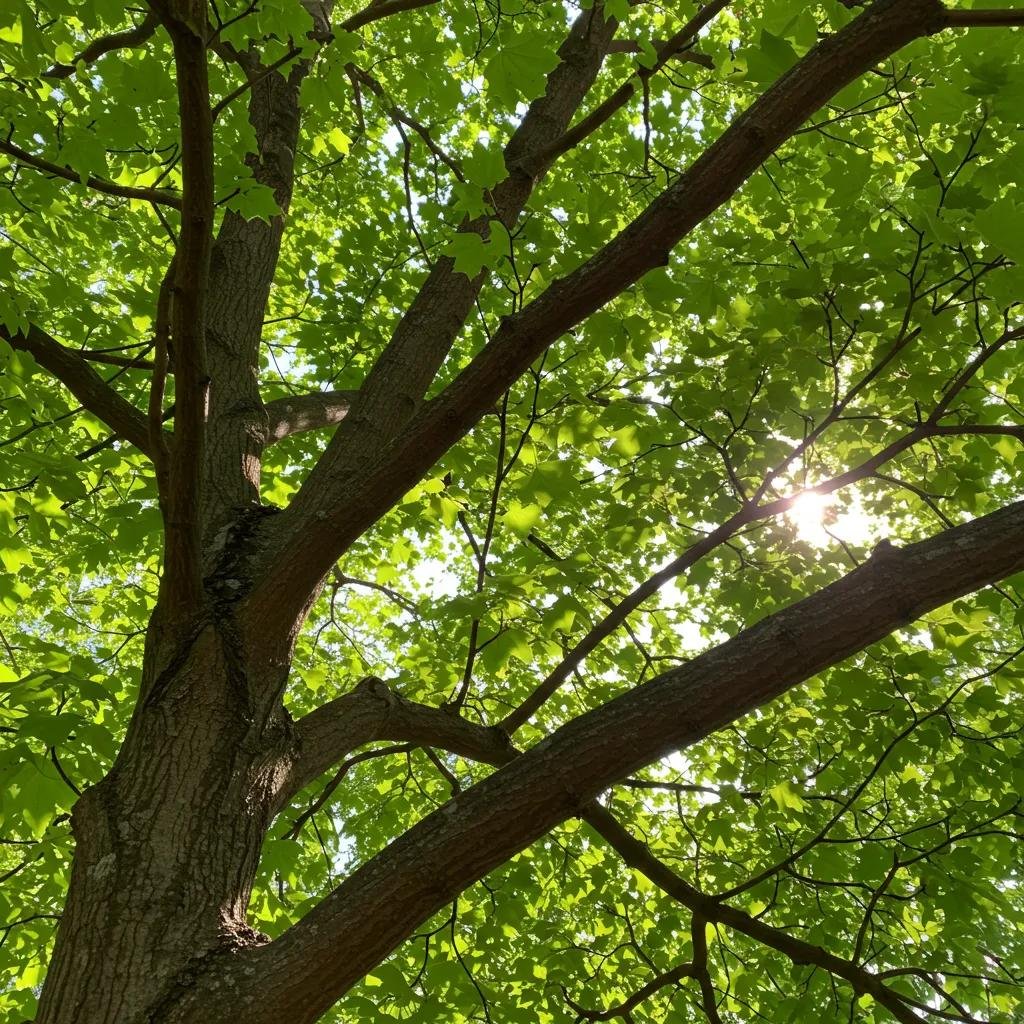
Tree pruning improves health by removing dead, dying, or diseased wood that would otherwise serve as entry points for pests and pathogens, allowing the tree to allocate resources to healthy growth. Proper cuts increase light penetration and air circulation through the crown, which reduces fungal disease risk and fosters vigorous cambial activity, promoting wound closure at the branch collar. Structural pruning early in a tree’s life encourages a strong scaffold and reduces future corrective work, while targeted removal of competing leaders supports balanced canopy development. These physiological improvements directly extend a tree’s useful lifespan and lower the need for emergency interventions.
What Are the Safety and Aesthetic Benefits of Proper Tree Trimming?
Correct pruning reduces the probability of branch failure by removing weak unions, deadwood, and overextended limbs that create mechanical stress during high winds or heavy rain. Aesthetically, selective trimming restores natural form, improves sightlines, and enhances landscape design by highlighting healthy structure and removing visually distracting elements. Safety benefits translate into measurable reductions in property damage risk to roofs, vehicles, and utilities, and they make yards safer for daily use. A clear aesthetic and safety rationale helps homeowners choose pruning plans that balance preservation with hazard reduction.
How Does Pruning Help Prepare Trees for Florida Storms and Hurricanes?
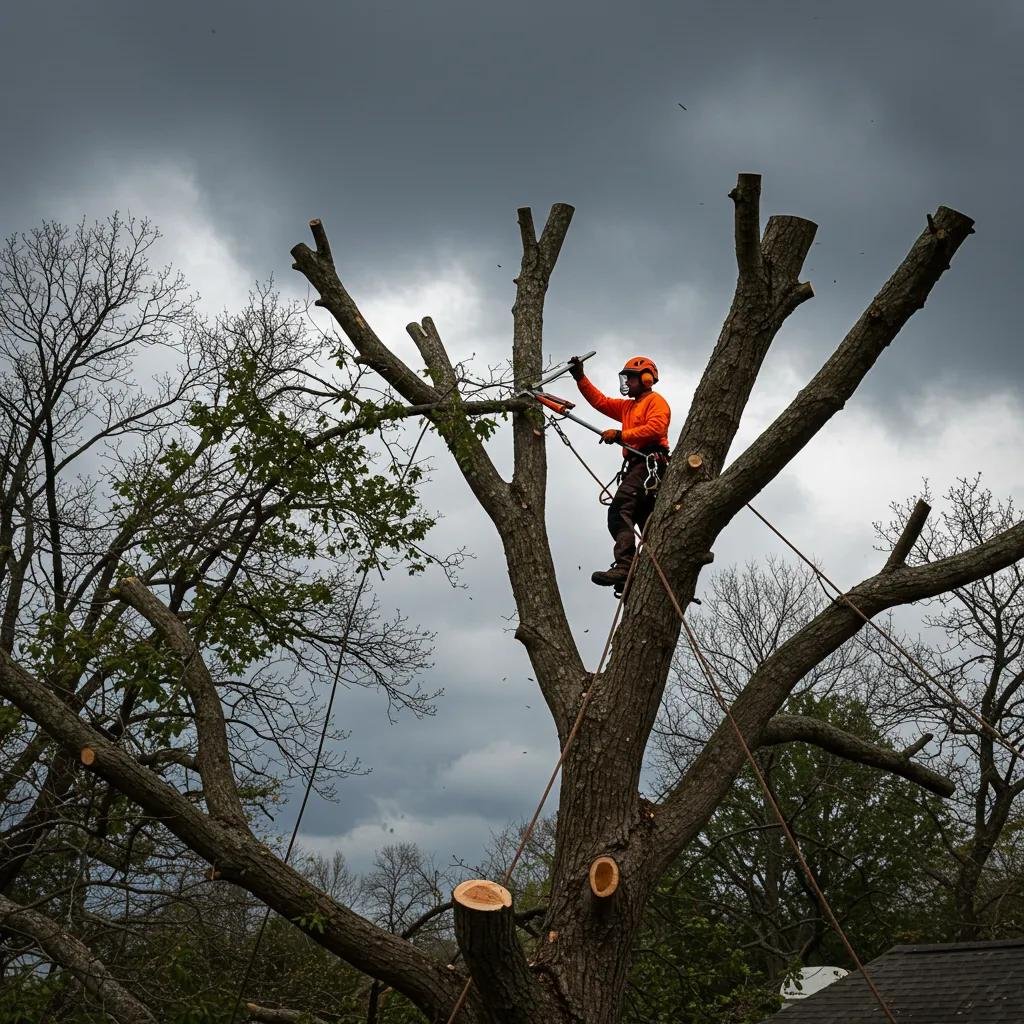
Pre-storm pruning prioritizes thinning and removal of hazardous limbs to reduce wind sail and the likelihood of branch or whole–tree failure during hurricanes and tropical storms. Thinning the crown and reducing end weight on long limbs lowers wind leverage and helps wind pass through the canopy rather than pushing the tree over. Strategic pruning timed before the storm season addresses weak attachments and deadwood while avoiding cuts that stimulate flush growth at vulnerable times. Planning pre-hurricane work into an annual maintenance cycle is a practical way Port Orange property owners can reduce storm damage risk and insurance exposure.
What Are the Most Effective Tree Pruning Techniques Used by Port Orange Arborists?
Professional arborists select techniques that match species biology, structure, and site constraints to achieve specific outcomes: improve clearance, reduce hazard, manage size, or restore form. Each technique—thinning, crown reduction, deadwood removal, and pruning at the branch collar—addresses a distinct structural or physiological need and uses precise cutting approaches to encourage healing and minimize stress. Tools, climbing methods, and safety practices vary by application, and experienced crews follow ANSI standards and accepted arboricultural practices to protect tree health. The following table compares common pruning techniques, their primary purpose, and typical benefits for Florida trees.
| Technique | Primary Purpose | Typical Application / Benefit |
|---|---|---|
| Thinning | Reduce wind sail and improve airflow | Selective limb removal throughout crown to reduce wind resistance and increase light |
| Crown reduction | Lower overall height and mitigate hazard | Shortens branch length while preserving canopy shape; avoids topping when done properly |
| Deadwood removal | Remove decay and disease vectors | Eliminates dead branches to lower failure risk and reduce pathogen spread |
| Structural pruning (branch collar cuts) | Promote healthy wound closure and strong form | Precise cuts at branch collar preserve natural defenses and encourage healing |
This comparison makes it clear why arborists choose specific techniques to balance safety, health, and aesthetics for Port Orange landscapes.
How Does Thinning Improve Florida Tree Canopy and Airflow?
Thinning removes selected interior branches to open the crown, improving light penetration and air movement that reduce leaf wetness and fungal risk. In Florida species such as live oak, timely thinning reduces sail effect and helps the tree shed wind loads, while for palms thinning focuses on removing dead fronds and flower stalks to reduce weight. Thinning also lessens the cumulative weight on structural limbs and can redirect resources to remaining branches and root support. When combined with structural pruning, thinning helps maintain natural form while reducing storm-related failures.
What Is Crown Reduction and When Should It Be Applied?
Crown reduction shortens the length of scaffold branches to lower canopy height and clear obstacles without removing the tree entirely, and it is applied when a tree presents repeated clearance problems or when size reduction is necessary near structures. The technique requires reducing branch length back to a lateral branch at least one-third the diameter of the cut stem to maintain vitality and avoid dieback. Crown reduction is most appropriate for mature trees with sound structure; it is not a substitute for topping, which damages trees. Applied carefully, reduction can preserve canopy shape while lowering future hazard and maintenance needs.
How Is Deadwood Removal Performed to Prevent Tree Disease?
Deadwood removal starts with a visual inspection to identify standing dead branches, thinner brittle limbs, and wood with visible decay or fungal fruiting bodies, then proceeds with precise cuts at the branch collar to avoid bark tearing. Removed material is disposed of properly to reduce inoculum for wood–decay pathogens and to maintain tidy, safe sites; pruning tools should be sanitized when moving between diseased trees. Deadwood removal reduces pest habitat and limits nutrient sinks that harm the tree, thereby increasing vigor in the living crown. Regular monitoring after removal helps detect recurring pathogens or structural issues that may require further intervention.
Why Is Proper Pruning at the Branch Collar Crucial?
The branch collar contains specialized cells that form the compartmentalization zone for wound closure; cutting just outside the collar preserves protective tissues and promotes faster, healthier healing. Flush cuts or leaving long stubs disrupt natural defense formation and increase decay risk, while correct collar cuts limit cambial damage and encourage callus growth. Understanding meronomy—branch collar, stem, crown, and root flare—guides proper cuts and reduces long-term injury. Proper collar pruning is a foundational technique that improves survival and reduces the need for corrective treatments.
When Is the Best Time to Prune Trees in Port Orange, FL?
Pruning timing depends on species biology, flowering cycles, and storm season considerations; choosing the right window minimizes stress and maximizes recovery. For many deciduous and seasonal Florida ornamentals, pruning after flowering avoids removing floral buds, while dormant or slow-growth periods can reduce sap flow and pest attraction for some species. For palms and storm-prone trees, a pre-hurricane season schedule focused on thinning and hazard limb removal is critical in Volusia County. The table below summarizes recommended pruning windows for common Florida species and explains the reasoning for each timing.
| Tree Species | Best Pruning Time | Reason / Notes |
|---|---|---|
| Live oak (Quercus spp.) | Late winter to early spring | Reduces stress, avoids heavy sap flow; structural pruning favored in cooler months |
| Palms | As needed, remove dead fronds year-round; pre-hurricane season for thinning | Palms tolerate year-round maintenance; pre-storm trimming reduces fuel for wind damage |
| Citrus | After harvest or late winter | Avoid heavy pruning during active fruiting; timing preserves production |
| Flowering ornamentals (e.g., tabebuia) | Immediately after flowering | Prune after bloom to retain next season’s flowers |
These seasonal windows balance physiological responses and landscape goals, helping trees recover rapidly while preserving bloom or fruit.
What Are the Seasonal Pruning Guidelines for Common Florida Trees?
Seasonal guidelines prioritize species-specific patterns: prune after flowering for spring-blooming ornamentals, during cooler low-growth periods for many shade trees, and time palm maintenance to address safety and storm readiness. Scheduling work in late winter or early spring often aligns with reduced pest pressure and good wound closure conditions, whereas pruning in active growth can stimulate flushes that increase water demand. For fruiting species like citrus, avoid heavy canopy removal during bloom or fruit set to preserve yields. Clear scheduling reduces shock and supports predictable recovery trajectories for Port Orange trees.
How Does Pruning Timing Affect Tree Health and Growth?
Timing influences sap flow, wound closure rate, and the tree’s ability to allocate resources to new tissue; pruning during minor dormancy typically limits stress and reduces pest attraction. Pruning too late in the growing season can trigger vigorous, tender regrowth that is vulnerable to storm damage and pests, while pruning at the wrong stage may remove flower or fruiting buds and affect production. Physiological impacts vary by species and local climate, so aligning cuts with biological cycles is critical to maximize benefits. Understanding these growth-stage effects helps homeowners plan interventions that support long-term health.
Why Is Pre-Hurricane Season Pruning Important in Volusia County?
Pre-hurricane pruning reduces canopy density, removes hazardous limbs, and prioritizes critical cuts that minimize storm damage and dangerous debris during tropical systems that affect Volusia County. Scheduling thinning and hazard-limb removal well before the peak season ensures crews can focus on resilience measures rather than emergency response and helps homeowners avoid premium emergency rates. Professionals assess which limbs pose the highest risk and stage work to protect property and access routes. Taking pre-season action is a prudent, preventive step that lowers the likelihood of major storm-related loss.
Which Trees Should Be Pruned During Dormant vs. Active Growth Periods?
Dormant pruning is best for many shade trees to minimize sap loss and pest attraction, while active growth pruning is reserved for corrective shaping and spring bloom management in some ornamentals. Trees with clear dormant periods—those that slow growth in cooler months—benefit from structural pruning during dormancy because reduced leaf area lowers transpiration stress and encourages woody callus formation. Conversely, species that flower on new wood or require shaping after blooming should be pruned during active growth cycles to preserve ornamental display. Proper scheduling depends on species traits and desired landscape outcomes.
What Are the Local Regulations and Permit Requirements for Tree Pruning in Port Orange?
Permit rules vary by tree size, species protection status, and location relative to public right-of-way, and property owners should verify city ordinances before major removals. In many cases, routine pruning to maintain health or safety does not require a permit, whereas removal of large or protected trees, or work affecting conservation areas, may trigger permit review. Florida law and local regulations allow licensed arborists to document risk findings that influence permit pathways, so professional assessments are often a prudent first step. Consulting official city resources or an arborist helps homeowners determine whether permits apply to a planned project.
When Is a Permit Required for Tree Trimming or Removal in Port Orange?
Permits are typically required when proposed work involves protected species, trees of a certain size threshold, or activities within regulated buffers, whereas routine maintenance pruning for health and safety is often exempt. Emergency removals due to storm damage can have expedited pathways, but documentation and notification requirements may still apply. Property owners should check local ordinance criteria or seek an arborist’s assessment to clarify whether a formal application is necessary. Early consultation reduces delays and ensures compliance with municipal codes.
How Does Florida Law Affect Tree Pruning Without Permits?
Florida statutes provide frameworks for tree work, including provisions that allow removal or pruning when a licensed arborist documents imminent risk, which can affect whether a permit is mandated. Using a licensed professional to perform a risk assessment and provide written findings can streamline compliance and protect property owners in cases where public safety is at stake. Proper documentation supports insurance claims and municipal reviews if disputes arise. Relying on professional evaluation reduces legal exposure and ensures that pruning adheres to current statutory guidance.
Why Should You Consult a Licensed Arborist for Tree Risk Assessments?
Licensed arborists perform structured evaluations that identify decay, weak attachments, root issues, and other hazards, producing actionable recommendations and documentation useful for insurance or permitting. Assessments balance structural and biological factors and often use standardized risk-assessment frameworks to quantify likelihood and consequence of failure. Professional reports help prioritize work, justify removals, and guide long-term maintenance planning. Hiring an arborist preserves safety, legal protection, and the tree’s best chance for healthy recovery.
Where Can Property Owners Find Official Port Orange Tree Pruning Guidelines?
Official guidance is available through city planning and environmental offices and is complemented by university extension resources that detail species-specific best practices; checking these authoritative sources clarifies permit thresholds and recommended methods. Local ordinances outline removal and replacement rules, while extension services provide practical pruning and species care advice that aligns with regional conditions. Combining municipal rules with extension-based horticultural guidance helps homeowners make informed, compliant decisions. When in doubt, a licensed arborist can interpret regulations in the context of a property’s specific tree inventory.
How Much Does Professional Tree Pruning Cost in Port Orange, FL?
Professional tree pruning cost depends on measurable factors such as tree size, species, access difficulty, scope of work, required equipment, and urgency; understanding these drivers helps property owners evaluate estimates. Larger trees and those requiring cranes, specialized rigging, or lane closures will command higher costs, while routine canopy thinning or palm work tends to be less expensive. Emergency services often carry premiums due to after-hours response and expedited crews, and disposal or stump grinding adds to the total. The table below breaks down common cost factors, how they affect pricing, and typical examples to clarify what to expect.
| Cost Factor | How It Affects Price | Typical Range / Example |
|---|---|---|
| Tree size (height & spread) | Larger size increases labor and equipment needs | Small trees lower cost; large oaks require more crew and time |
| Access/obstacles | Difficult access or nearby structures requires special rigging | Tight yards or power lines increase equipment/time costs |
| Scope & disposal | Inclusion of debris removal and stump grinding raises price | Full cleanup and grinding add to the final invoice |
| Emergency / urgency | After-hours or immediate response carries premium | Emergency calls typically cost more due to rapid mobilization |
Understanding these factors makes estimate comparisons transparent and helps homeowners plan budgets accordingly.
What Factors Influence Tree Pruning and Trimming Prices Locally?
Tree height and canopy spread are primary cost drivers because they determine crew size and time; larger crowns require more labor and higher-risk rigging operations. Site access, presence of structures, and underground utilities can necessitate specialized equipment or additional safety measures, increasing cost. The scope of work—whether simple crown cleaning, structural pruning, full crown reduction, or removal and stump grinding—affects both labor and disposal expenses. Knowing these drivers enables property owners to request clear, itemized estimates that reflect actual site conditions.
How Does Volusia Bobcat & Tree Service Offer Affordable and Transparent Estimates?
Volusia Bobcat & Tree Service LLC provides free estimates and emphasizes transparent explanations of the same cost drivers homeowners need to understand, including tree size, access needs, and debris removal. Their local presence in Port Orange enables rapid site assessments and practical recommendations tailored to Florida species and storm–season priorities, with affordability and safety highlighted as part of service value. Asking for a free estimate gives property owners an opportunity to compare scope, timelines, and pricing without obligation, helping them make a confident decision. Requesting a free estimate facilitates planning for both routine maintenance and pre-season storm readiness.
Are Emergency Tree Pruning Services More Expensive?
Emergency pruning typically costs more because it requires rapid mobilization of crews, after-hours labor, and sometimes heavier equipment or temporary traffic control to stabilize hazards safely. The urgency and increased safety risk require experienced crews and may involve extra fees for immediate response, but emergency work focuses on stabilization and debris containment to reduce immediate risk. Homeowners can minimize emergency costs by scheduling pre-season pruning and addressing known hazards proactively. Understanding the trade-offs between scheduled maintenance and emergency response helps control long-term expenses.
Who Are the Certified Arborists Behind Port Orange’s Expert Tree Pruning Services?
Local certified arborists generally hold industry-recognized credentials and training that demonstrate knowledge in tree biology, safe climbing techniques, and risk assessment, and these credentials provide a standard for quality. While specific certifications should be confirmed directly with providers, industry standards such as ISA certification represent the kind of professional qualification clients should seek. Arborists on the ground use visual assessments, diagnostic tools, and documented reports to recommend pruning plans that align with species biology and client goals. Clear communication, documented recommendations, and transparent safety practices build trust between arborists and property owners.
What Qualifications and Certifications Do Local Arborists Hold?
Common professional credentials include industry certifications that validate knowledge of tree biology, pruning standards, and safety protocols; clients should ask providers to describe their qualifications and training. Certifications signal familiarity with accepted practices such as correct branch collar cuts, compartmentalization principles, and safe rigging techniques that protect both crew and tree. Verifying credentials and insurance protects homeowners and ensures work meets contemporary standards. Requesting documentation prior to contracting services is a prudent step in hiring competent professionals.
How Do Arborists Assess Tree Health and Pruning Needs?
Arborists perform systematic evaluations including visual inspection of crown health, detection of decay or pest symptoms, structural analysis of unions and attachments, and assessment of root flare and soil conditions. The assessment yields a prioritized action plan that specifies recommended pruning techniques, timelines, and any follow-up monitoring or treatments needed to support recovery. Transparent reports help property owners understand the rationale for interventions and how each cut contributes to safety and longevity. This assessment-driven approach aligns maintenance with biological needs and regulatory considerations.
What Customer Testimonials Highlight Our Tree Pruning Expertise?
Directly verifiable customer feedback and case summaries on company channels help demonstrate local reputation and satisfaction, but specific testimonials should be reviewed in their original context for accuracy. Homeowners are encouraged to consult review pages or case study summaries to confirm performance claims and see before-and-after examples. Requesting references or examples of similar species work can clarify experience with local conditions and storm-prep projects. Evaluating past work provides confidence that the chosen provider understands Port Orange species and maintenance needs.
How Can You Schedule a Free Tree Pruning Estimate with Port Orange’s Local Experts?
Scheduling a free estimate typically begins with an on-site assessment where an arborist examines trees, discusses objectives, and provides an itemized recommendation and written or verbal estimate. Free consultations commonly cover the scope of pruning, suggested techniques, timing, debris removal options, and any permit considerations that may apply. Emergency support is available from local providers who offer 24/7 response for hazardous situations, with triage and stabilization performed before permanent repairs. The steps below outline what to expect and how to arrange a free estimate with a local team.
The following numbered list explains the typical steps in obtaining a free estimate.
- Request an on–site assessment to review tree condition and property constraints.
- Receive a recommended scope of work and clear explanation of techniques and timing.
- Obtain a written or verbal estimate that itemizes cost drivers and disposal options.
What Is Included in a Free Tree Pruning Consultation?
A free consultation typically includes an on-site visual assessment, identification of hazards, prioritized recommendations for pruning or removal, and an estimate for labor and disposal. The consultation should cover potential permit needs and any steps required for compliance or documentation for insurance. Homeowners should expect clear explanations of suggested techniques—such as thinning or crown reduction—and how they serve safety and tree health objectives. Follow-up options and scheduling timelines are usually discussed to align work with seasonal or storm–prep priorities.
How Does 24/7 Emergency Tree Pruning Support Work in Port Orange?
Emergency support begins with a rapid assessment to triage hazards, stabilize dangerous limbs or trees, and secure the site to protect people and property, followed by full cleanup and permanent remediation when conditions permit. After-hours responses involve specialized crews trained for emergency rigging, debris containment, and safe removal under time-sensitive circumstances. Homeowners should document damage and communication with crews for insurance purposes, and schedule follow-up corrective pruning to restore long-term health. Rapid, safety-focused action minimizes immediate risk while planning for permanent repairs.
What Are the Best Ways to Contact Volusia Bobcat & Tree Service for Pruning?
To request a free estimate or emergency support in Port Orange, contact Volusia Bobcat & Tree Service LLC by phone to arrange an on-site assessment and discuss service options, including tree pruning/trimming, removal, stump grinding, and 24/7 emergency services. Calling the local number provides the quickest route to schedule a consultation and obtain transparent explanations of cost drivers and timing. For non-urgent inquiries, requesting a free estimate allows the company to evaluate pre-hurricane thinning needs and provide affordable options tailored to your property. Phone contact ensures immediate connection with local crews and helps prioritize urgent work.
- Summary: Use the phone number provided to schedule assessments or emergency response and request a free estimate that explains scope, timing, and pricing.
This marks the end of the structured guidance and local scheduling steps for tree pruning in Port Orange.
Pruning Edible Landscapes in Florida: Timing and Best Practices
The dry season is often the pruning season as well because plants can heal with a lower risk of infection.
Frequently Asked Questions
What are the signs that a tree needs pruning?
Signs that a tree may need pruning include dead or dying branches, excessive growth that obstructs structures or power lines, and signs of disease such as discoloration or fungal growth. Additionally, if a tree has a dense canopy that restricts light and airflow, it may benefit from thinning. Homeowners should also look for branches that are crossing or rubbing against each other, as this can lead to injury and decay. Regular inspections can help identify these issues early, ensuring the tree remains healthy and safe.
Can I prune my trees myself, or should I hire a professional?
While some minor pruning tasks can be performed by homeowners, hiring a professional arborist is recommended for significant work. Professionals have the training and experience to assess tree health, apply the correct techniques, and use specialized equipment safely. They can also ensure compliance with local regulations and permits. DIY pruning can lead to improper cuts that harm the tree or create safety hazards. For complex jobs or large trees, it’s best to consult a certified arborist to ensure the work is done correctly and safely.
How often should trees be pruned in Port Orange?
The frequency of tree pruning in Port Orange depends on the species, age, and health of the tree. Generally, young trees may require pruning every 1-3 years to establish a strong structure, while mature trees may need pruning every 3-5 years for maintenance. Additionally, trees that are prone to storm damage or have rapid growth may require more frequent attention. Regular inspections can help determine the best schedule for pruning, ensuring trees remain healthy and safe throughout their lifespan.
What should I do with the debris after pruning?
After pruning, it’s important to manage the debris properly. Many professional arborists include debris removal in their services, ensuring that branches and leaves are disposed of safely. If you choose to handle it yourself, consider composting smaller branches and leaves, while larger limbs may need to be taken to a local yard waste facility. Always check local regulations regarding yard waste disposal, as some areas have specific guidelines. Proper disposal not only keeps your property tidy but also helps prevent pest infestations and disease spread.
Are there specific regulations for pruning certain tree species in Port Orange?
Yes, Port Orange has specific regulations regarding the pruning of certain tree species, especially those that are protected or located in conservation areas. Property owners should check local ordinances to determine if a permit is required for pruning or removing specific trees. Consulting with a licensed arborist can also provide clarity on compliance with these regulations. Understanding these rules helps ensure that tree care practices are both effective and legally compliant, protecting both the trees and the property owner.
What are the benefits of seasonal pruning?
Seasonal pruning offers several benefits, including improved tree health, enhanced growth, and reduced risk of storm damage. Pruning during the dormant season minimizes stress on the tree and promotes faster healing. It also allows for better visibility of the tree’s structure, making it easier to identify and address potential issues. Additionally, seasonal pruning can help maintain the aesthetic appeal of the landscape by encouraging healthy growth patterns and preventing overcrowding. Aligning pruning with the tree’s biological cycles maximizes the benefits and supports long-term vitality.
How can I prepare my trees for hurricane season?
Preparing trees for hurricane season involves several proactive steps. First, conduct a thorough inspection to identify weak or dead branches that could pose a risk during storms. Pruning these branches can reduce wind resistance and the likelihood of damage. Additionally, consider thinning the canopy to allow wind to pass through more easily. Regular maintenance, such as ensuring proper root health and addressing any pest issues, also contributes to a tree’s resilience. Consulting with a professional arborist can provide tailored strategies for effective storm preparation.