
Aligning Your Tree Care Schedule with Seasonal Needs
Your tree care schedule is your strategic plan for inspections, pruning, and essential maintenance, all timed perfectly with your trees’ natural biology and our local climate. It’s designed to keep your trees thriving, your property safe, and its value soaring. Many property owners find themselves wondering when to tackle oak pruning, how to best trim palm trees, or what to do after a storm. This guide cuts through the confusion, offering clear timing guidelines, handy checklists, and straightforward booking processes for homeowners and property managers alike. You’ll discover why smart scheduling is key to preventing diseases and fortifying your trees against storms, how to read a seasonal tree care calendar tailored for Port Orange, Florida, and how to sync species-specific pruning windows with professional services. We’ll cover seven core questions: why scheduling is crucial, a season-by-season breakdown, species-specific timelines, how to book different services, a step-by-step guide with a local provider example, the perks of a maintenance calendar, and common local questions about permits and costs. Throughout, we’ll naturally integrate keywords like tree care schedule, tree pruning schedule, palm tree trimming Port Orange, and emergency tree removal scheduling to provide actionable advice you can use right away.
Why Is a Well-Timed Tree Care Schedule Essential for Your Property's Health and Value?
Scheduling your tree care is a smart, proactive move that harmonizes with nature’s rhythms, minimizes risks, and enhances your property’s appearance. By aligning pruning and check-ups with your trees’ growth cycles and seasonal challenges, you can significantly reduce disease spread, correct structural weaknesses, and maintain beautiful canopy shapes that boost curb appeal. Regular, planned interventions also dramatically lower the chances of storm-related damage and cut down on costly emergency calls by addressing potential issues early. The outcome? Healthier, safer trees that add lasting value to your property and keep unexpected maintenance expenses at bay.
How Does Consistent Tree Care Elevate Your Property's Value and Curb Appeal?
Consistent tree care dramatically boosts curb appeal by ensuring balanced canopy shapes, removing unsightly deadwood, and encouraging the blooms or fruits that enhance your landscape’s beauty. Well-cared-for trees signal to potential buyers and appraisers that your property is meticulously maintained, often adding tangible value and making it more attractive on the market. Proper pruning not only removes hazardous limbs but also opens up sightlines and allows more light to reach your lawn and outdoor living spaces. Regular upkeep also prevents unruly overgrowth that can detract from your home’s architecture, ultimately supporting higher resale potential and tenant satisfaction.
What Tree Diseases and Pests Can Smart Pruning Schedules Help Prevent?
Scheduled pruning is a powerful tool for preventing common diseases and pest infestations. By removing infected sections before they can spread, improving air circulation to reduce fungal pressure, and enabling early detection of pest hotspots, you keep your trees healthier. In Florida’s climate, timely pruning and inspections are vital for interrupting disease cycles, spotting signs of crown decline, and implementing targeted treatments for pests that target weakened or shaded wood. Arborist-guided pruning focuses on precise wound placement and optimal seasonal timing to minimize pathogen entry and promote rapid healing. When an inspection suggests disease, a professional assessment is your best bet for effective treatment and preventing its spread across your landscape.
How Does Timely Tree Care Reduce Storm Damage Risks in Port Orange?
Timely tree care significantly reduces storm damage by correcting structural flaws, removing weak or overextended branches, and reducing the tree’s “sail area” before high winds arrive. This lowers the likelihood of entire trees or large limbs failing. Port Orange and Volusia County are no strangers to seasonal storms, so scheduling structural pruning and bracing *before* the peak hurricane months is crucial for mitigating risks to your roof, utilities, and vehicles. Regular risk assessments help pinpoint trees needing priority attention, and strategic pruning minimizes sudden stress on compromised limbs. Preparing your trees in advance not only enhances your property’s resilience but also cuts down on the frequency and cost of emergency removals.
What's the Best Seasonal Tree Care Guide for Planning Your Tree Services?
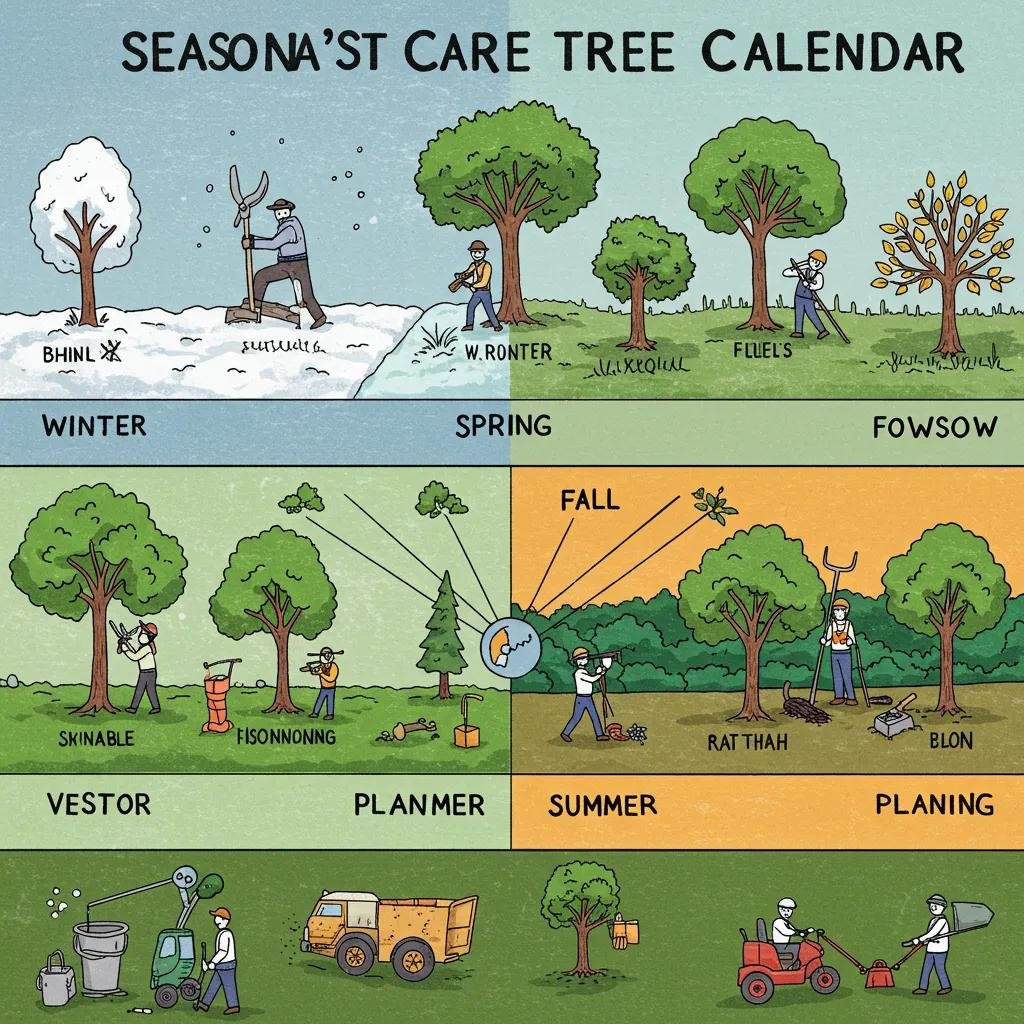
A seasonal tree care guide aligns your service tasks with the times your trees are biologically and climatically primed for work, balancing their growth cycles, local pest activity, and storm patterns. Scheduling by season helps you know exactly when to book pruning, assessments, planting, and storm preparation services. Here’s a quick seasonal rundown to help you plan for Port Orange, with actionable timing and the reasons behind each priority. Use this calendar to sync your service appointments with the best biological windows and local climate risks.
Here are the key seasonal tasks for Port Orange, listed for your convenience:
- Winter (Dormant Pruning Window): Focus on shaping the tree’s structure, removing crossing branches, and tending to species that benefit from reduced sap flow.
- Spring (Health Check & New Growth): Scout for early signs of pests and diseases, time fertilization, and monitor the vigor of new leaf-out.
- Summer (Storm Prep & Selective Trimming): Reduce the tree’s wind resistance, clear out weak limbs, and schedule risk-focused pruning before hurricane season kicks into high gear.
- Fall (Planting & Root Care): Focus on revitalizing root zones, perform final corrective pruning for recovery, and schedule plantings for cooler, more favorable establishment conditions.
These seasonal actions create a predictable maintenance rhythm that minimizes emergency needs and promotes long-term tree vitality. Scheduling work within these optimal windows ensures better tissue recovery and adheres to the highest arboricultural standards.
| Season | Typical Tasks | When / Why to Schedule |
|---|---|---|
| Winter | Structural pruning, crown thinning, hazard removal | Dormant pruning minimizes sap flow and helps create clear branch architecture; ideal for many deciduous and broadleaf species. |
| Spring | Health assessments, fertilization timing, pest scouting | Leaf-out reveals structural issues and pest activity; schedule inspections after the initial growth spurt to guide treatments. |
| Summer | Storm-hardening trimming, canopy reduction, debris management | Pre-storm pruning reduces wind resistance; address weak limbs before the peak hurricane months. |
| Fall | Final corrective pruning, planting, root zone care | Cooler temperatures promote root establishment for new plantings and allow trees to recover from summer stress. |
When Is Winter the Prime Time for Dormant Tree Pruning?
Dormant pruning involves trimming during a tree’s reduced growth phase to shape its structure and remove dead or crossing branches with minimal physiological stress. In milder climates like Port Orange, winter pruning is advantageous for many species because the lack of foliage offers a clearer view of the tree’s structure, allowing crews to make precise cuts that promote ideal form. Dormant cuts also limit sap loss in certain trees and can reduce the spread of foliar diseases that might enter through fresh wounds during wetter seasons. However, evergreens and some flowering trees have different optimal pruning times, so always consult species-specific advice to avoid removing flower buds or creating vulnerabilities.
How Should You Plan Your Spring Tree Health Assessments?
Spring assessments should be scheduled shortly after bud break. This timing allows arborists to accurately evaluate new growth, detect any emerging pest outbreaks, and identify vascular issues that become visible with fresh foliage. These visits typically include a thorough inspection of the canopy and root collar, scouting for pests and diseases, and providing recommendations for fertilization or targeted treatments. Scheduling spring inspections after any significant storm events is also crucial for identifying structural damage or stress that could lead to future failures. A spring assessment lays the groundwork for your summer preparation plans and any corrective pruning that shouldn’t interfere with peak flowering or fruiting periods.
What Are the Key Summer Tree Trimming and Storm Preparation Steps?
Summer tree work focuses on selective pruning to remove weak limbs, reduce the tree’s wind resistance, and clear potential hazards, all while respecting the tree’s active growth phase. Storm preparation involves installing bracing, removing previously identified hazards, and making cuts that minimize debris, all timed before the most active storm months. Crews concentrate on reducing failure points like co-dominant stems and poorly attached branches, and they avoid large corrective cuts that would create significant wounds during peak growth. Homeowners should schedule these essential tasks early in the summer to ensure completion before major weather events strike.
How to Strategically Plan Fall Tree Maintenance and Planting for Peak Health?
Fall is the ideal season for planting and root-focused maintenance because the cooler, moister conditions promote robust root establishment without the stress of intense summer heat. Final corrective pruning in the fall helps trees enter the cooler months with less deadwood and improved structure, supporting winter recovery and strong early spring growth. Soil amendments and mulching scheduled in the fall enhance root health and water retention heading into drier periods. Plan your planting and root care appointments for early fall to give your trees several months to establish before the next warm season arrives.
How Do Species-Specific Tree Care Schedules Impact Your Service Planning?
Species-specific schedules acknowledge the unique growth patterns, flowering or fruiting cycles, and pest susceptibilities of different trees, dictating the best times for service. A plan tailored to palms, oaks, citrus, and other Florida natives ensures pruning and inspections occur when they minimize stress and disease risk. Mapping out the trees on your property into a multi-year maintenance calendar helps prioritize high-risk or high-value trees for professional attention. The table below outlines common local species and their optimal care windows to guide your booking decisions.
| Tree Species | Optimal Pruning Season | Recommended Frequency / Notes |
|---|---|---|
| Palms | Late winter to early spring | Trim 1–2 times per year; avoid removing live green fronds unnecessarily to protect the trunk and reduce pest exposure. |
| Oaks (Live oak) | Late winter to early spring (dormant) | Prune every 2–4 years for structure; avoid heavy cuts during months with high disease pressure. |
| Citrus | After harvest / minor shaping in cooler months | Light pruning annually to maintain shape and fruit health; avoid heavy pruning in hot, wet seasons. |
| Other natives (magnolia, sabal, etc.) | Species-dependent; generally late winter to early spring | Follow species-specific guidance to protect flowering and minimize stress. |
When Should You Schedule Palm Tree Trimming in Port Orange?
Palm maintenance in Port Orange is typically scheduled from late winter through early spring. This timing allows for the removal of dead fronds and the reduction of pest habitats without disrupting the tree’s active growth cycles. Many palms benefit from one scheduled trim annually for safety and aesthetics, while those with heavy seed or flower stalks might require two visits. Proper palm trimming involves preserving essential green fronds and avoiding over-trimming, which can expose the trunk to sunscald and pests. Safety is paramount, including trained crew procedures for elevated work and careful attention to surrounding structures and utilities.
What Is the Ideal Oak Tree Pruning Calendar for Florida?
Oaks in Florida are generally best pruned during the late winter to early spring window, which balances reduced foliage with lower fungal pressure. This timing helps maintain structural integrity and minimizes stress on the tree. Pruning frequency for mature oaks typically ranges from every 2 to 4 years, depending on the tree’s vigor, your landscape goals, and its risk profile. It’s crucial to avoid heavy pruning during the warm, wet months when certain oak pathogens are most active. Always consult a certified arborist for significant structural corrections. Properly timed oak pruning supports long-term structural strength and reduces opportunities for decay to enter.
How to Schedule Care for Other Common Florida Trees?
Other common Florida trees—like magnolias, gums, and citrus—each have preferred maintenance windows, often coinciding with dormancy or post-harvest periods to avoid disrupting flowering or fruit production. A property-wide schedule should group species by their optimal care times so crews can perform multiple tasks efficiently, reducing the need for repeated site visits. Maintenance frequency typically ranges from annual light upkeep for fruit-bearing trees to multi-year structural pruning for mature shade trees. When in doubt, schedule a professional assessment to align individual tree needs with your overall maintenance calendar.
What Types of Tree Care Services Require Distinct Scheduling Approaches?
Different tree care services necessitate unique scheduling strategies based on urgency, safety requirements, and the nature of the work. Routine pruning, emergency removals, stump grinding, and arborist consultations each have different lead times and preparation needs. Routine trimming is planned to align with growth cycles and aesthetic objectives, while emergency removals demand immediate action and flexible scheduling. Stump grinding is often booked with moderate lead time to allow for site preparation and equipment allocation, and arborist consultations can be scheduled in advance for strategic planning. The table below clarifies typical urgency and lead-time expectations to help you make informed booking decisions.
| Service Type | Urgency / Recommended Booking Window | Typical Lead Time / Permit Notes |
|---|---|---|
| Routine tree trimming | Low to moderate; schedule seasonally | Book 2–8 weeks in advance, depending on the season and crew availability. |
| Emergency tree removal | High; immediate attention required | 24/7 response is often necessary; providers with emergency availability may respond the same day. |
| Stump grinding | Moderate; coordinate with landscape plans | Book 1–4 weeks in advance; ground access and debris removal considerations will affect scheduling. |
| Arborist consultation | Planning-focused; schedule pre-project | Book 1–3 weeks in advance for inspections and written recommendations. |
How Often Should You Book Routine Tree Trimming and Pruning?
The frequency of routine trimming depends on the tree species, its growth rate, and your property goals. Typically, this ranges from once a year for slow-growing palms or ornamentals to every 1–3 years for faster-growing shade trees. Trimming focused on safety, such as removing hazardous limbs, may need to occur more frequently if trees are close to structures or power lines. Homeowners should watch for signs like branches rubbing together, a noticeable lean, or repeated limb failures, which might indicate a need to schedule service sooner. Regularly scheduled inspections combined with a multi-year maintenance plan will help determine the optimal trimming intervals for your specific property.
When and How to Schedule Emergency Tree Removal Services?
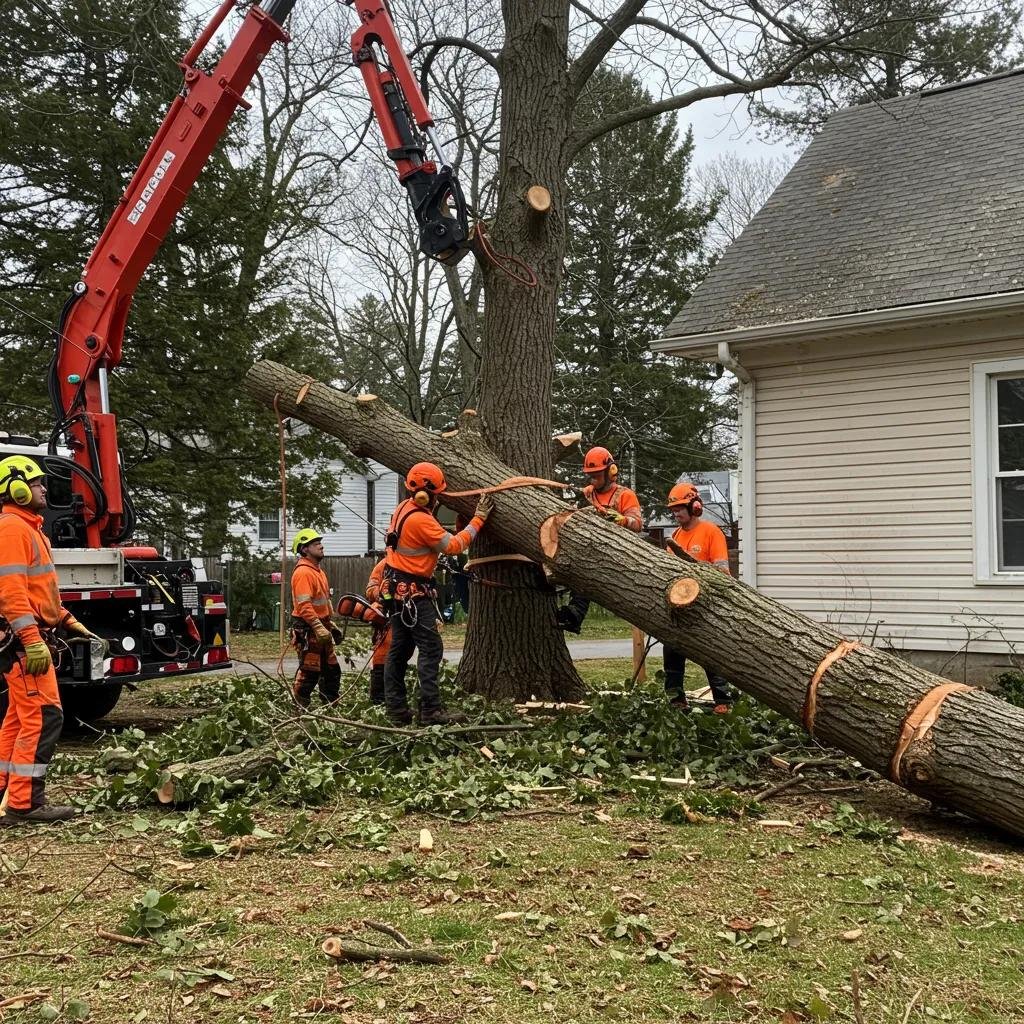
Emergency tree removal should be scheduled when a tree presents an immediate hazard—such as a split trunk, signs of uprooting, or contact with structures—or immediately following severe storms when fallen trees create safety risks. Providers offering 24/7 emergency service can respond outside of normal business hours, assess risks, and secure the site before commencing full removal. Homeowners should prioritize safety by establishing a safe perimeter and avoiding proximity to unstable trees until professionals arrive. When contacting a provider, be prepared to describe the situation, pinpoint hazard locations, and note any utility impacts to expedite the emergency response.
At this point, it’s worth noting that local providers offering emergency scheduling and complimentary estimates streamline the response process. For instance, Arborist Action Tree Service provides 24/7 emergency availability and free estimates, operational features designed to assist homeowners with urgent removals and rapid scheduling.
Tree Risk Assessment and Management: A Literature Review
In the presence of a target, tree failures have the potential to damage property, disrupt services, or threaten public safety. Worldwide, several qualitative methods have been developed to provide a systematic approach for tree risk assessment and management. The consistency and accuracy of these methods, the values placed on the tree in question and its potential targets, and the risk perceptions and levels of acceptance of the evaluator and tree owner all influence how risk is managed. This review explores the concept of risk, examines and contrasts the most commonly referenced tree risk assessment methods, and summarizes research on public perceptions of trees and the risk of trees and greenspaces in built environments. The review identifies general summarized themes and gaps in the available literature to guide future research.
Risk assessment and risk perception of trees: A review of literature relating to arboriculture and urban forestry, RW Klein, 2019
What Is the Process for Scheduling Stump Grinding and Removal?
Stump grinding is typically scheduled to align with your landscape restoration plans. The process usually involves an on-site evaluation, ensuring clear access for equipment, and coordinating debris removal and backfilling. The booking process generally includes an inspection to confirm the stump’s size, any root complications, and its proximity to hardscapes. A lead time of one to four weeks is common for scheduling this service. The grinding itself is efficient—stumps are ground down below grade, and the resulting chips are either left as mulch or removed, based on your preference. Post-service steps often include adding topsoil and preparing for new seed or sod if replanting is planned.
How to Book Arborist Consultations for Expert Tree Care Advice?
Arborist consultations can be scheduled as in-person inspections or virtual assessments and typically cover tree health evaluations, risk assessments, and management recommendations. When booking, be sure to provide photos, any recent history of the tree, and details about property plans that might impact root zones or canopy. Consultations generally last 30–60 minutes and conclude with prioritized recommendations that will inform your pruning schedules and long-term maintenance plans. A professional consultation is especially valuable when you’re planning major landscape changes, addressing persistent health issues, or preparing for insurance claims or permit applications.
How Can You Effortlessly Schedule Your Tree Care Services with Arborist Action Tree Service?
This section outlines a practical, step-by-step booking workflow designed for homeowners seeking clear scheduling and prompt service from a trusted local provider. The process emphasizes straightforward contact, quick estimates, and flexible appointment options that highlight the provider’s strengths in safety, affordability, and emergency responsiveness. Follow the numbered steps below to ensure a smooth scheduling experience and to set clear expectations for turnaround times and on-site protocols. The provider’s complimentary estimates and 24/7 emergency availability offer flexible scheduling for both routine and urgent needs.
- Initial Contact & Request: Provide basic property details, tree locations, and the urgency level to request a free estimate.
- On-site or Remote Assessment: A crew member or arborist will review the trees and provide a written estimate with recommended timing.
- Scheduling the Appointment: Select an available time slot that aligns with seasonal best practices and the provider’s calendar.
- Pre-visit Preparation: Ensure access routes are clear, mark any necessary utilities, and note any sensitive areas the crew should avoid.
- Service Day Expectations: Expect arrival within the scheduled window, a safety setup, completion of the agreed-upon work, and post-service cleanup with a final walkthrough.
What Is the Step-by-Step Process to Request a Free Tree Service Estimate?
Requesting a free estimate typically starts with gathering essential information, such as your property location, descriptions or photos of the trees, and the scope of work you envision. This helps the estimator accurately assess risks and crew requirements. Next, the provider will schedule an on-site or virtual assessment to confirm site conditions, tree size, and necessary equipment. After the inspection, you’ll usually receive a detailed written estimate outlining the tasks, timelines, and any permit recommendations. The estimate often includes suggested scheduling windows that align with the best seasonal practices for pruning or removal.
How Does the Online Booking System Streamline Your Tree Service Appointment?
An online booking system simplifies scheduling by displaying available appointment slots, capturing necessary property and service details upfront, and sending automated confirmations and reminders. These booking tools allow homeowners to select times that fit seasonal constraints and indicate urgency, helping crews prioritize storm-prep or emergency requests. Integration with an online calendar reduces back-and-forth communication and helps confirm resource allocation for heavy equipment or specialized crews. When combined with a provider’s emergency availability, online booking creates a predictable and transparent appointment experience.
What Should You Expect During Your Scheduled Tree Service Appointment?
During your scheduled appointment, crews typically arrive equipped with safety gear, conduct a brief site walkthrough, and confirm the scope of work before starting to ensure your expectations align with the on-site plan. The time required for the job will vary based on the tree’s size and complexity. Professional crews prioritize safety, containment of debris, and protection of surrounding property. Upon completion, crews will perform cleanup, conduct a final inspection with you, and offer any recommendations for follow-up care or future scheduled maintenance. Clear communication before and during the appointment ensures efficient service and minimizes disruption.
What Are the Advantages of Following a Tree Maintenance Calendar for Your Property?
A tree maintenance calendar centralizes inspections, pruning, and other essential care tasks into a predictable schedule, which ultimately reduces long-term costs, enhances tree health, and improves safety. Adopting a calendar empowers property owners to prioritize high-risk trees, bundle services for greater efficiency, and book professional crews during optimal seasonal windows. Over time, this proactive approach preserves your property’s asset value and significantly reduces emergency interventions, which are typically more costly and hazardous. Below is a brief case example illustrating how scheduled maintenance translated into tangible risk and cost reduction.
Short case/example blurb: A homeowner who implemented a seasonal maintenance calendar scheduled recurring structural pruning and pre-storm trimming. This proactive plan successfully prevented a major limb failure during a summer storm, averting potential roof damage and eliminating the need for an emergency removal. The planned interventions were timed according to species needs and executed with meticulous attention to safety and aesthetics, resulting in lower lifecycle costs and superior long-term tree health. For property owners who prefer professional support in creating and executing their calendar, providers offering free estimates and emergency availability can simplify both planning and response.
| Benefit Area | What the Calendar Includes | Result / When to Schedule |
|---|---|---|
| Cost Avoidance | Regular inspections and preventive pruning | Fewer emergency removals and lower long-term expenditures. |
| Tree Longevity | Scheduled structural corrections and pest monitoring | Healthier trees with extended service life. |
| Safety | Pre-storm trimming and hazard mitigation | Reduced likelihood of property damage and injury. |
How Does a Proactive Tree Care Schedule Prevent Costly Repairs?
A proactive schedule prevents costly repairs by identifying structural issues, decay, and pest problems before they escalate to the point of requiring emergency removal or causing property damage. Regular inspections and timely corrective pruning address vulnerabilities when repair costs are still modest, especially when compared to post-failure cleanups and emergency mitigation expenses. By consolidating preventive work into seasonal windows, property owners also achieve cost efficiencies through coordinated service calls and lower per-event mobilization costs. The cumulative savings from avoided emergencies and preserved tree assets represent the primary economic advantage of systematic scheduling.
In What Ways Does Scheduled Pruning Enhance Tree Longevity and Health?
Scheduled pruning promotes longevity by guiding growth away from structural faults, removing diseased or dead wood that could otherwise invite decay, and managing canopy balance to reduce stress on trunks and roots. Pruning timed to a tree’s specific biology supports effective compartmentalization of wounds and minimizes recurring infection or pest cycles. Over time, these practices cultivate strong branch architecture that resists storm damage and lowers overall maintenance needs. When combined with soil and root care scheduled on your maintenance calendar, pruning contributes to a comprehensive health program for each tree.
How Does Regular Tree Care Boost Safety Around Your Home or Business?
Regular tree care enhances safety by systematically mitigating hazards such as overextended limbs, root failures near foundations, and conflicts with utility lines. Inspections reveal escalating risks—like cracks, rot, or progressive leaning—that can be addressed through targeted pruning, bracing, or removal before a failure occurs. A homeowner-focused safety checklist, often included with a maintenance calendar, clarifies priorities and response thresholds, aligning homeowner expectations with professional recommendations. Safety-driven scheduling ensures that property occupants and nearby assets remain protected from avoidable tree-related incidents.
Homeowner safety checklist for scheduled visits:
- Clear Access Routes: Ensure driveways and gates are unobstructed for equipment.
- Identify Utility Lines: Point out overhead or buried utilities to the crew before work commences.
- Secure Pets and Children: Keep people and pets safely away from work zones during operations.
When Is the Optimal Time to Prune Oak Trees in Florida?
The best time to prune many oak species in Florida is during the late winter to early spring, when foliage is reduced. This timing improves visibility for structural cuts and lowers the risk of certain diseases. Pruning during dormancy helps trees compartmentalize wounds more effectively and avoids periods of high fungal activity. For significant structural work, consult an arborist to minimize stress and ensure correct cutting techniques. If emergency defects arise, address them promptly regardless of the season to ensure safety.
How Often Should I Have My Trees Trimmed for Peak Health?
Optimal trimming frequency typically ranges from once a year for low-growth ornamental trees to every 1–3 years for larger shade trees, with adjustments based on species, growth rate, and safety requirements. Young trees often need more frequent formative pruning, while mature trees benefit from periodic structural maintenance. Monitor indicators such as rubbing branches, visible decay, or rapid re-sprouting to prioritize earlier interventions. A site-specific maintenance calendar aligned with species needs ensures consistent, predictable care.
Do I Need a Permit to Schedule Tree Removal in Port Orange?
Permit requirements can vary by municipality and by tree species or protected status, so homeowners should always verify local regulations before scheduling removals. Many providers offer permit guidance as part of their service, helping to identify when a removal might trigger review and advising on the submission process. If a permit is required, factor the permitting timeline into your booking schedule to avoid delays and ensure compliance. When in doubt, request an assessment that includes recommendations regarding permits.
How Much Does Scheduling Tree Removal or Trimming Typically Cost?
The cost for removal or trimming depends on several factors rather than a single flat rate. Key drivers include tree size, complexity, accessibility, species, and whether the job is an emergency. Emergency calls and difficult access increase labor and equipment needs, while routine trims scheduled in advance allow for more efficient crew deployment and often result in lower per-job costs. Because estimates can vary significantly, obtaining a free, written estimate provides the best basis for budgeting and scheduling. Providers that offer free estimates help homeowners plan cost-effective maintenance calendars and prioritize necessary work.
A final tip on scheduling assistance: if you’re looking for professional support for both planned maintenance and emergency response, providers that advertise free estimates and 24/7 emergency availability can significantly simplify your planning and ensure rapid intervention when unexpected events occur.
Frequently Asked Questions
What factors should I consider when scheduling tree care services?
When scheduling tree care services, consider the tree species, its growth cycle, and local climate conditions. Different species have specific pruning windows that align with their biological needs. Additionally, seasonal weather patterns can affect tree health and safety, making it crucial to plan services during optimal times. Assess the urgency of the work needed, such as routine maintenance versus emergency interventions, and ensure that you have a clear understanding of the service provider’s availability and lead times for scheduling.
How can I determine if my tree needs immediate attention?
Signs that a tree may need immediate attention include visible damage such as cracks, splits, or leaning trunks, as well as dead or dying branches. Additionally, if a tree is in close proximity to structures or power lines, it may pose a safety risk. Look for signs of disease, such as unusual leaf discoloration or fungal growth. If you notice any of these issues, it’s advisable to contact a professional arborist for an assessment to determine the necessary actions and scheduling for care.
What should I do to prepare for a scheduled tree service appointment?
To prepare for a scheduled tree service appointment, ensure that access routes are clear for the crew and their equipment. Remove any obstacles such as vehicles, garden furniture, or decorations near the work area. If there are utility lines nearby, inform the crew about their locations. Additionally, secure pets and children away from the work zone to ensure safety. Providing the crew with any specific concerns or observations about the trees can also help them address your needs effectively during the appointment.
How can I maintain my trees between professional services?
Between professional services, you can maintain your trees by regularly inspecting them for signs of pests, diseases, or structural issues. Watering during dry spells, mulching to retain moisture, and ensuring proper drainage around the root zone are essential for tree health. Pruning small dead or damaged branches can also be done safely by homeowners. However, avoid heavy pruning or any work that requires climbing or specialized equipment. Keeping a maintenance calendar can help you track when to perform these tasks and when to schedule professional services.
What are the benefits of using an online booking system for tree services?
An online booking system streamlines the scheduling process by allowing homeowners to view available appointment slots and book services at their convenience. It reduces the need for back-and-forth communication, making it easier to coordinate times that fit both the homeowner’s and service provider’s schedules. Automated confirmations and reminders help ensure that appointments are not missed. Additionally, online systems often allow users to provide detailed information about their needs upfront, which can improve the efficiency of the service provided.
How can I ensure my trees are safe during storm season?
To ensure your trees are safe during storm season, schedule regular inspections and maintenance, particularly before peak storm months. Pruning weak or overextended limbs can reduce the risk of storm damage. Additionally, consider bracing or cabling for trees with structural weaknesses. Keeping trees healthy through proper watering, fertilization, and pest management also enhances their resilience. If a tree poses a significant risk to your property, consult with a professional arborist about removal or other safety measures to mitigate potential hazards during storms.
What should I do if I suspect my tree is diseased?
If you suspect your tree is diseased, the first step is to observe any visible symptoms such as discoloration, wilting leaves, or unusual growths. Document these signs and consider contacting a certified arborist for a professional assessment. They can diagnose the issue and recommend appropriate treatments, which may include targeted pruning, pest control, or soil amendments. Early intervention is crucial in managing tree diseases, as it can prevent further spread and protect the overall health of your landscape.