Expert Topiary Pruning for Stunning Florida Gardens
Topiary is the art of sculpting living plants into precise shapes, transforming shrubs and trees into stunning garden features. This guide dives into expert topiary pruning techniques, the best times for shaping in Port Orange and Volusia County, selecting plants that thrive in Florida’s climate, and the ongoing care needed to maintain these living artworks. Many homeowners find themselves battling unruly growth, pests, or inconsistent shaping when they try topiary on their own. This article provides clear, step-by-step methods and helpful checklists to overcome these challenges. You’ll discover which plant species are ideal for shaping, the essential tools professional arborists use, how to prune common forms, and what factors influence professional service costs. We’ll cover: what topiary is and why it’s beneficial, plant choices perfect for Florida, professional tools and safety, a detailed pruning workflow with seasonal tips, local pricing insights, maintenance strategies, and answers to your most pressing questions.
What Exactly Is Topiary Pruning, and Why Does It Matter?
Topiary pruning is a specialized form of ornamental trimming that guides a plant’s growth through careful, deliberate cuts, enhancing its structure and creating striking visual forms. This technique works by managing the plant’s natural growth hormones and encouraging denser, more compact branching. The result is a healthier, more resilient plant with a defined silhouette that significantly boosts your landscape’s aesthetic appeal. Proper topiary care also improves air circulation, reduces deadwood, and prevents shaded areas where diseases can take hold, all while stabilizing the plant’s form for lasting beauty. Understanding these benefits highlights why topiary is far more than just routine trimming—it’s about precision and consistent care.
Topiary pruning elevates a plant’s form and lifespan by blending horticultural expertise with artistic vision. The following section will explore how these horticultural improvements translate into stunning visual results and better disease resistance.
How Does Topiary Pruning Boost Plant Health and Visual Appeal?
Topiary pruning actively enhances plant health by removing weak or diseased branches, which are common entry points for pests and infections. Simultaneously, shaping encourages dense, vigorous lateral growth, filling out the form and maintaining its density. By strategically thinning foliage, professionals improve light penetration and air circulation, reducing the risk of fungal diseases and promoting even leaf development for optimal photosynthesis and overall vitality. For instance, transforming a sparse young hedge into a dense, perfectly rounded topiary involves careful, staged pruning over time to build interior branching before the final shaping, resulting in a fuller, more robust, and disease-resistant specimen. These health improvements directly contribute to predictable and enduring aesthetic outcomes, making ongoing maintenance more efficient and preserving the plant material.
Achieving this delicate balance between structural thinning and surface shaping requires the right tools and timing, which we’ll explore in the next section, covering common shapes and the skills needed for each.
What Are the Popular Topiary Shapes and Styles?
Topiary styles span a wide spectrum, from precise geometric shapes to whimsical figurative designs, each demanding specific pruning methods and plant selections. Geometric forms like spheres, cones, and spirals rely on consistent, frequent trimming and balanced branch development. Figurative shapes, such as animals or abstract sculptures, often require staged training, sometimes with the aid of wire frames, and meticulous selective pruning to define limbs and negative spaces. Formal styles emphasize sharp edges and light, frequent cuts, while informal styles allow for softer lines and more forgiving maintenance rhythms, often suited to faster-growing plants. The best style choice depends on the plant’s natural growth habit and your willingness to maintain it, ensuring sustainable beauty and minimizing the need for drastic corrective pruning.
Selecting the right style naturally leads to understanding how topiary differs from general pruning practices—a distinction that impacts the tools, frequency, and skill level required for consistent results.
How Is Topiary Different from Standard Tree Trimming?
Topiary stands apart from general tree trimming primarily because its core objective is aesthetic design, rather than solely focusing on plant health or hazard reduction. This fundamental difference dictates the frequency and technique of pruning. While routine tree trimming might involve occasional larger cuts to remove dead limbs or reduce canopy weight, topiary demands frequent, precise, small cuts to sculpt form and maintain symmetry, carefully guiding growth without triggering excessive re-sprouting. This meticulous approach requires specialized tools, a disciplined pruning plan, and a keen artistic eye to balance density, proportion, and internal structure. For property owners, this translates to a higher labor investment but yields predictable, artistic landscape features that standard trimming alone cannot achieve.
Recognizing these distinctions helps explain why many property owners opt for professional assistance for precise shaping. The next section will detail which plants perform best for topiary work in Florida’s unique climate.
After understanding the definition and benefits of topiary pruning, property owners seeking consistent, safe results often turn to local experts. Volusia Bobcat & Tree Service LLC provides expert topiary pruning, delivered by crews skilled in ornamental shaping and site safety, ensuring repeatable forms and minimizing the risks associated with working at heights. Engaging a local tree service familiar with Port Orange and Volusia County conditions helps prevent climate-related stress and ensures maintenance aligns with optimal seasonal windows. For intricate or large-scale topiary projects, professional oversight is key to preserving plant health while achieving the desired aesthetic.
Which Plants Flourish as Topiary in Florida?
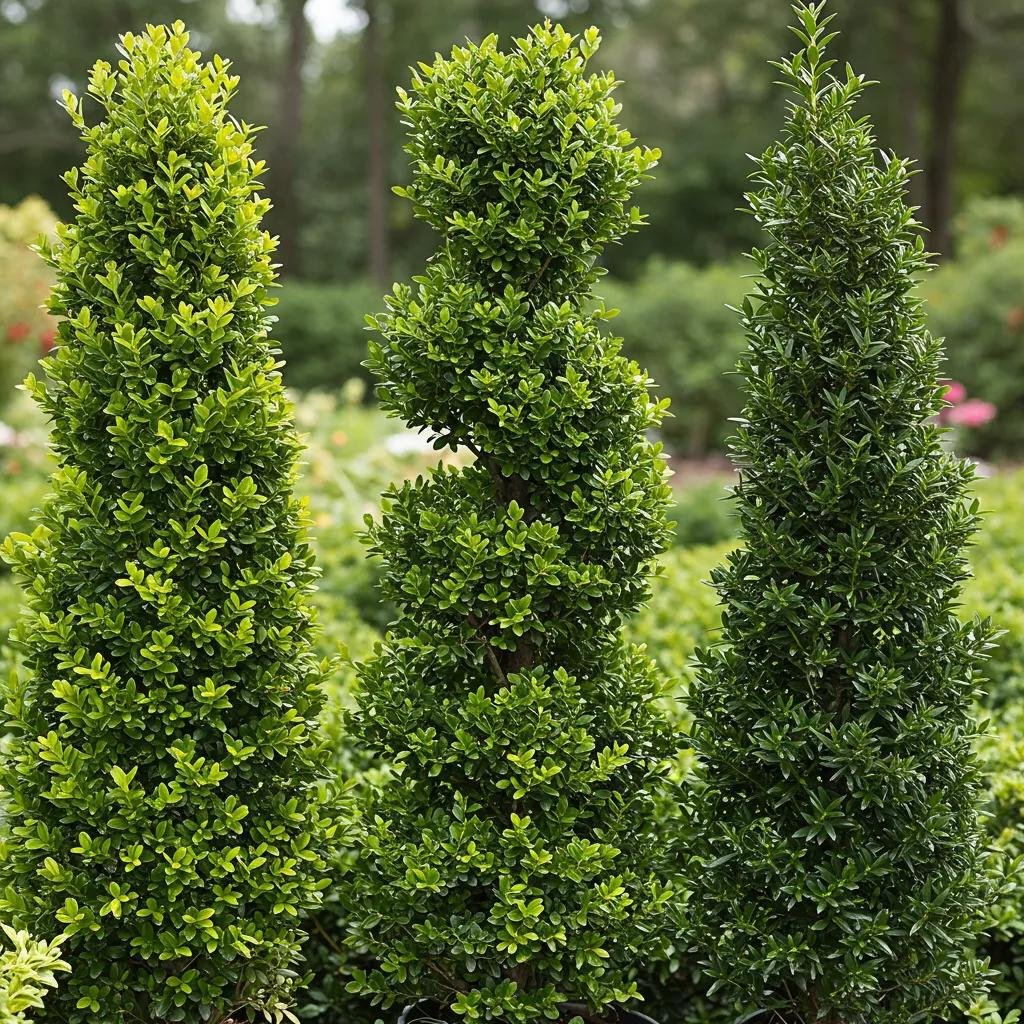
Choosing plant species that can withstand Florida’s heat, humidity, and pest challenges is essential for creating durable topiary. The best candidates combine dense foliage, a strong tolerance for pruning, and natural resistance to local pests. In practice, evergreen shrubs with small leaves and compact growth habits respond exceptionally well to repeated shaping, developing dense branching and effectively concealing pruning scars. The following table compares popular species and their suitability factors for topiary projects in Port Orange and Volusia County, helping you make informed plant selections.
| Plant | Suitability Factors (Growth Habit, Foliage, Tolerance) | Value for Port Orange/Florida |
|---|---|---|
| Boxwood | Dense, small leaves; slow growth; holds shape exceptionally well | Excellent for formal shapes, but requires vigilance against boxwood pests and heat stress. |
| Holly | Glossy evergreen leaves; adaptable to shaping; varieties offer diverse growth rates. | Ideal for structured forms and year-round color; select heat-tolerant cultivars. |
| Yew | Tolerates heavy pruning; evergreen; dense branching structure. | Superb for formal designs; ensure cultivars are suited to humidity and local soil conditions. |
| Privet | Rapid growth; small leaves; vigorous regrowth potential. | Useful for large hedges and quick training; necessitates more frequent trimming. |
| Juniper | Diverse forms; drought and salt-tolerant varieties available. | Best suited for coastal areas and informal shapes, with lower water requirements. |
Why Are Boxwood, Holly, and Yew Top Choices for Topiary?
Boxwood, holly, and yew share key characteristics that make them favorites for topiary: their dense, small foliage effectively hides pruning cuts, they exhibit predictable branching patterns, and their evergreen nature ensures a consistent form year-round. Boxwood maintains crisp edges beautifully and responds slowly to major cuts, preserving sharp geometry, though it requires careful pest monitoring in humid climates. Holly offers a glossy texture and can create dramatic silhouettes, though some species have spines and varying growth rates to consider. Yew is remarkably tolerant of heavy pruning and reliably re-sprouts from older wood, making it forgiving for formal training and corrective shaping over multiple seasons.
Selecting the right cultivar within these genera is crucial and directly impacts resilience to the local climate and ongoing maintenance needs, which we’ll discuss with Florida-specific considerations next.
What Challenges Do Florida’s Climate Pose for Topiary Plants?
Florida’s subtropical climate presents unique challenges for topiary: high humidity fosters fungal and bacterial growth, warm temperatures accelerate plant growth (requiring more frequent trimming), and coastal salt spray limits plant choices. Common issues include increased pest activity, such as scale and mites, root stress from waterlogged soils after storms, and rapid growth spurts during warm, wet periods that demand extra pruning. Mitigation strategies involve targeted pest monitoring, using mulch to regulate soil temperature and moisture (while keeping it away from the trunk), and selecting salt-tolerant cultivars for coastal properties. Timing pruning to avoid peak stress periods also helps reduce disease susceptibility.
These climate-specific considerations should inform both plant selection and pruning schedules to maintain plant health and minimize the need for reactive corrective work.
How Do I Select the Perfect Plant for My Topiary Vision?
Choosing the right plant involves matching its growth rate to your desired maintenance frequency, considering its mature size relative to your landscape scale, and prioritizing disease- and pest-resistant cultivars. Begin by defining your intended shape and scale, then eliminate species whose mature habit or leaf size would conflict with your design. For example, slow-growing boxwoods are ideal for small, formal spheres, while faster-growing privet suits larger hedges. Also, assess site conditions—sunlight, salt exposure, and soil moisture—to ensure you select tolerant species that will thrive with minimal stress. Finally, consider your own maintenance commitment: lower-maintenance species might require fewer professional visits, while high-precision designs often necessitate recurring expert care.
This thoughtful selection process naturally leads to the tools professionals use to execute and maintain topiary forms, which we’ll cover in the next section.
Essential Tools for Professional Topiary Pruning
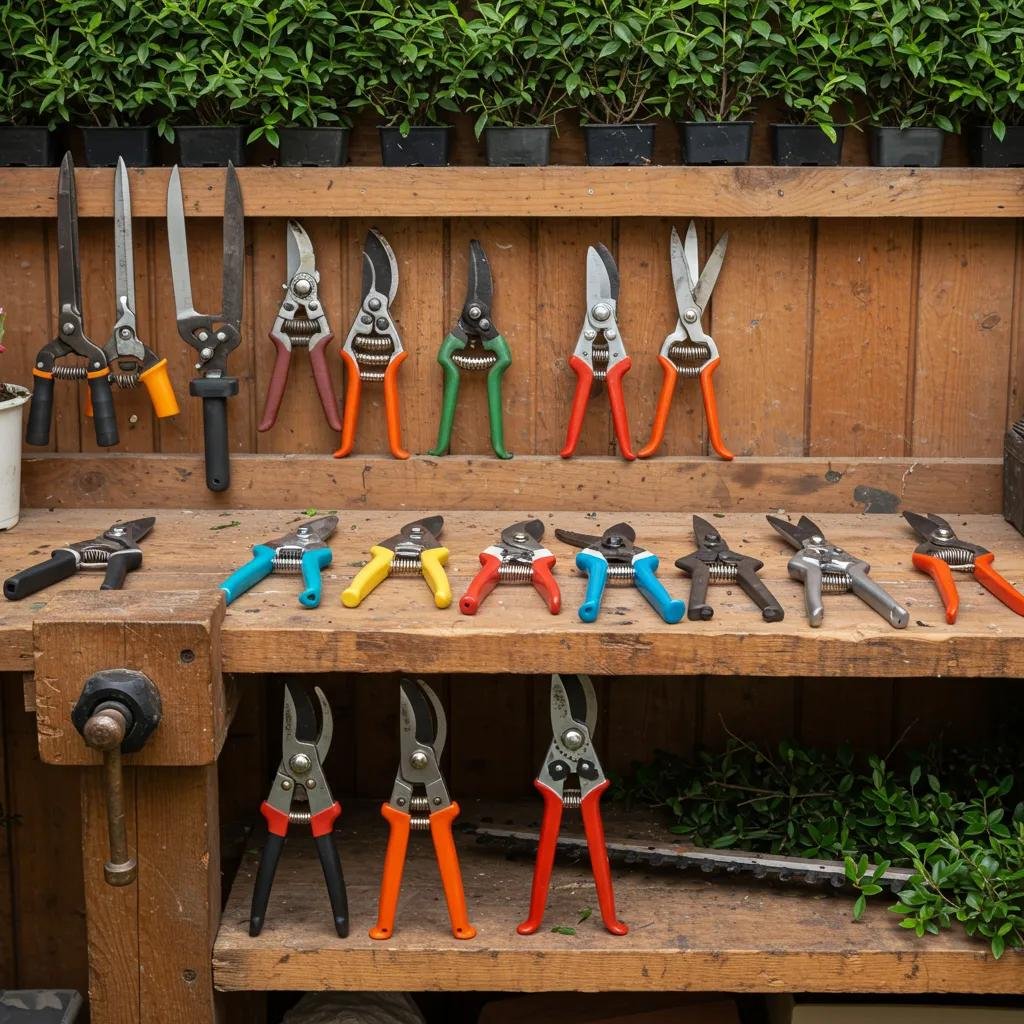
Professional topiary pruning requires a combination of precision hand tools, powered equipment, training aids, and safety gear to achieve clean cuts, maintain perfect shapes, and protect the plants. Key implements include sharp bypass pruners for detailed work, specialized topiary shears for crisp edges, and hedge trimmers for shaping larger surfaces. Pole tools extend reach safely, while wire frames and guides help achieve symmetry and complex forms. Proper tool maintenance—regular sharpening, blade sterilization, and ergonomic selection—is vital for cut quality and minimizing plant tissue damage that can lead to disease. Safety equipment and site management protocols ensure the protection of both the crew and the landscape during shaping tasks.
Experienced professionals bring top-tier tools and rigorous safety standards to every job. Volusia Bobcat & Tree Service LLC prioritizes safety and professionalism, ensuring crews utilize appropriate personal protective equipment (PPE) and follow strict procedures to safeguard plants and people.
What Hand Pruners, Shears, and Hedge Trimmers Are Best?
For clean, long-lasting cuts, professionals prefer bypass hand pruners with hardened, sharpenable blades and ergonomic grips that minimize fatigue during repetitive shaping. Topiary shears featuring fine, straight blades are ideal for achieving crisp edges on geometric forms, while telescoping pole hedge trimmers allow safe shaping of taller specimens without the need for ladders. Regular maintenance—sharpening, disinfecting blades between plants, and adjusting pivot tension—ensures tools perform optimally and reduces pathogen transmission. Opting for ergonomically designed tools also prevents operator strain, which is crucial for extended shaping sessions.
Understanding tool choices sets the stage for how frames and guides are employed in shaping complex forms, which we’ll discuss next.
How Are Wire Frames and Guides Used in Topiary Shaping?
Wire frames and rigid guides serve as temporary structures that accelerate the training of complex forms and ensure symmetry for spirals, animal shapes, and multi-tiered designs. Professionals fit a frame to a young plant and prune to its outline, gradually reducing the frame as the plant matures and fills out. This method prevents over-pruning and helps distribute growth evenly. Frames are most beneficial during the early training years or when creating intricate figurative forms, but they must not constrict growth long-term; periodic adjustments prevent girdling and encourage natural branch development. Using guides alongside careful pruning yields reliable, repeatable results with less corrective work down the line.
Frames complement hand-pruning techniques and offer an efficient way to achieve intricate designs without extensive corrective pruning later.
What Safety Precautions Are Essential for Topiary Pruning?
Safety begins with a thorough assessment of site hazards, identifying unstable branches, overhead power lines, and terrain risks. This is followed by the proper use of PPE, including eye protection, gloves, and hearing protection for power tools. Secure ladder placement, appropriate footwear, and training in power tool operation are critical for accident prevention. Clear communication and the use of ground-crew spotters enhance on-site safety during elevated work. Professionals must also have established protocols for emergency response and debris containment, especially when working near public areas. These precautions protect workers and the landscape, reflecting responsible service delivery in both residential and commercial settings.
These safety practices support efficient, low-impact shaping and lead directly into a step-by-step guide for performing topiary pruning.
Mastering Topiary Pruning: Step-by-Step Techniques
Successful topiary pruning involves careful preparation, incremental shaping, and scheduled follow-up to build structure without over-stressing the plants. Start with a thorough health inspection and a clear plan outlining internal structural cuts, exterior shaping priorities, and any necessary corrections. Prepare your tools and protect surrounding plantings before you begin cutting. During shaping, use small, deliberate cuts, work symmetrically, and step back frequently to assess the overall balance. For complex forms, utilize training frameworks and adjust them progressively. After shaping, perform thorough cleanup, address any minor wound management if needed, and schedule recurring light trims to maintain the form and prevent the need for heavy corrective pruning.
The numbered list below outlines a concise workflow you can follow for most topiary projects.
- Assess plant health and plan cuts, starting with dead or diseased wood.
- Remove interior crossing branches to improve airflow and structural integrity.
- Shape the exterior incrementally using shears or pruners, ensuring symmetry.
- Employ frames or guides for complex shapes, adjusting them as the plant grows.
- Clean tools, manage trimmings responsibly, and establish a maintenance schedule.
This methodical approach forms the foundation of precise hand pruning. The following subsections delve into key micro-techniques and optimal timing.
What Are the Core Steps in Precision Hand Pruning for Topiary?
Precision hand pruning begins with removing dead, diseased, or rubbing branches to restore structural integrity. It then proceeds to the selective shortening of active shoots to encourage denser lateral branching. Cuts should be clean, made just above a bud or lateral branch, and angled to shed water, minimizing stub length for faster healing. Practitioners make small, incremental cuts and continually step back to evaluate the silhouette and symmetry, avoiding large removals that can lead to unsightly regrowth or plant stress. Final touches include refining edges with topiary shears and inspecting for uniform density before cleaning tools and scheduling follow-up care.
Mastering these detailed steps reduces the need for corrective work and maintains plant health while preserving the integrity of the design.
How Often Should Topiary Trees Be Pruned for Peak Health and Form?
Pruning frequency is dictated by the plant species’ growth rate and the desired level of precision. As a general guideline, light shaping two to four times annually is sufficient for most forms. However, faster-growing species like privet may require monthly touch-ups during their active growth periods. Heavy structural pruning should be minimized and performed outside of peak stress periods, favoring frequent small trims that maintain shape without stimulating vigorous regrowth. In Florida’s climate, timing trims around seasonal growth spurts and hurricane risk windows helps reduce stress and potential storm damage. Consistent, modest maintenance prevents the need for drastic corrective cuts and ensures continuity in both health and appearance.
Consistent scheduling and species-specific adjustments are the cornerstones of a sustainable topiary maintenance plan, which is detailed further in the following subsection on training complex forms.
How Do You Train and Maintain Intricate Topiary Shapes?
Training complex shapes begins with selecting a plant with an appropriate growth habit and establishing a sturdy central leader or framework. Shaping is then done progressively over several seasons. Utilize wire frames and graduated pruning techniques to encourage branch growth where limbs or specific features are desired, allowing adequate recovery time between significant cuts to prevent stress. Expect intricate animal or spiral forms to take multiple years to develop, requiring routine finesse trimming and seasonal structural checks to correct any asymmetry. For highly complex projects, consider periodic professional intervention to re-balance growth and maintain proportional detail.
When training complex forms, patience and intentionality are key—this approach preserves plant health while achieving the desired sculptural effect.
What Seasonal Factors Influence Topiary Pruning in Port Orange?
Seasonal timing in Port Orange should align with local growth cycles. Plan lighter shaping during the active growth months and reserve heavier structural work for early growth periods when plants can recover most effectively. Avoid major pruning immediately before hurricane season or during extreme heat waves to minimize water stress and the risk of opportunistic infections. Monitor local pest cycles—timing cuts to avoid creating entry points during peak insect activity can reduce secondary problems. Scheduling maintenance around weather forecasts and growth patterns ensures better plant recovery and sustained form.
Adapting pruning calendars to local seasonal rhythms results in healthier topiary and fewer emergency corrective visits.
Understanding the Cost of Professional Topiary Services in Volusia County
The cost of professional topiary services varies based on the complexity of the design, plant size, accessibility, pruning frequency, and travel time. Simple spherical shapes on small shrubs will naturally cost less than elaborate multi-tiered standards or figurative sculptures. Local pricing in Volusia County can range widely due to differences in hourly crew rates, equipment needs, and cleanup procedures. Basic maintenance trims for a few small specimens will be less expensive than multi-day training sessions or structural work on large installations. Key cost factors include crew size, specialized equipment like boom lifts or custom frames, disposal of significant volumes of clippings, and the potential for recurring maintenance contracts. For precise, site-specific pricing, it’s best to request an on-site estimate that accounts for all these variables and outlines a tailored scope of work.
The table below provides a clear overview of how common cost factors influence pricing and what to expect when comparing bids.
| Cost Factor | Impact on Price | Example / Guidance |
|---|---|---|
| Shape Complexity | Requires more time and specialized skill, increasing labor hours. | Animal or multi-tiered forms significantly increase labor estimates. |
| Plant Size & Access | Tall or hard-to-reach specimens necessitate additional equipment/crew. | Using ladders or lifts adds to the hourly cost. |
| Visit Frequency | Regular maintenance can reduce the per-visit cost. | Monthly service may be more cost-effective than addressing infrequent, major corrections. |
| Travel & Debris Removal | Distance and volume of clippings increase the total project cost. | Large amounts of clippings requiring hauling will incur additional disposal fees. |
Understanding these pricing drivers helps justify estimates and sets realistic expectations for the investment required for long-term topiary care.
Volusia Bobcat & Tree Service LLC serves Port Orange and Volusia County with a commitment to safety, professionalism, and affordability. They offer free estimates, allowing property owners to compare scopes and make informed decisions. Requesting a free estimate and discussing maintenance options helps align project complexity with appropriate service levels and recurring scheduling.
What Factors Influence the Price of Topiary Pruning?
Pricing drivers include the intricacy of the design, the overall size of the specimen, site accessibility, the need for specialized tools or lifts, and whether the work is a one-time correction or part of a recurring maintenance plan. Complex sculptures demand more skilled labor hours and potentially custom frames, increasing the initial cost but reducing long-term corrective work when planned effectively. Accessibility challenges—such as steep slopes, tight garden beds, or obstructions—can slow down crews and add to labor time. Disposal requirements for large volumes of trimmings may also incur fixed fees. Clarifying these factors during the estimate process ensures transparency and aids in budgeting.
This clarity on cost drivers prepares property owners to evaluate estimates based on itemized labor, equipment, and frequency assumptions.
How Does Volusia Bobcat & Tree Service LLC Offer Affordable, Expert Topiary Care?
Volusia Bobcat & Tree Service LLC focuses on professional training, safe work practices, and transparent estimates tailored to the specific conditions in Port Orange and Volusia County. Their service approach integrates safety protocols with ornamental expertise, enabling crews to execute precision shaping without compromising plant health or site safety. Affordability is achieved through clear scope definitions and options for recurring maintenance plans, which minimize the need for costly corrective pruning over time. These practices help homeowners and commercial clients balance aesthetics, plant longevity, and budget considerations.
Aligning the service scope with the maintenance frequency often provides the best long-term value for topiary investments and reduces unexpected costs.
How Can Property Owners Get a Free Topiary Pruning Estimate?
Property owners can request a free estimate by gathering basic information to expedite the quoting process: recent photos of the plants, approximate dimensions, desired shapes or maintenance goals, and any notes regarding site access for the crew. When contacting a local provider, have your availability ready and inquire whether the estimate includes debris disposal, equipment needs, and follow-up maintenance options. For a direct consultation with a local service provider, call 386-675-7898 to schedule an estimate. Phone contact allows for quick clarification of scope and faster on-site appointment scheduling. Expect the estimator to request photos for remote quotes and to offer an on-site visit when complexity or access requires in-person assessment.
Providing this information upfront streamlines the estimate process and helps generate an accurate, comparable proposal.
How Regular Topiary Maintenance Enhances Property Value and Plant Health
Consistent maintenance preserves interior branch structure, prevents the need for large corrective cuts, and sustains the visual coherence that boosts curb appeal and property valuation. Scheduled light trims maintain density and silhouette, avoiding the surge growth and stress associated with infrequent heavy cuts. This approach minimizes opportunities for pests and fungal infections by reducing the number of wounds. Well-maintained ornamental forms also signal overall landscape stewardship to potential buyers or visitors, contributing to perceived property value and a polished exterior presentation. Integrating sustainable practices like mulching, targeted nutrient management, and composting trimmings further supports plant health and reduces environmental impact.
These maintenance benefits highlight why a planned schedule and professional oversight often yield superior long-term outcomes compared to ad hoc shaping.
What Are the Best Practices for Seasonal Topiary Care and Watering?
Seasonal care in Florida involves adjusting irrigation based on humidity and rainfall patterns. Reduce supplemental watering during wet summers and increase it during prolonged dry spells to prevent root stress and fungal issues. Apply slow-release fertilizers timed to growth cycles to support moderate, controlled shoot development rather than excessive flushes. Inspect regularly for pests to catch infestations early. Mulch garden beds to moderate soil temperatures and conserve moisture, ensuring mulch is kept away from trunk collars to prevent crown rot. Routine seasonal inspections and minor corrective trims maintain form without stressing plants during vulnerable periods.
Consistent seasonal routines prevent reactive corrective work and promote resilient, well-formed specimens.
How Does Professional Topiary Pruning Elevate Curb Appeal and Property Value?
Professional topiary pruning delivers a consistent, high-quality presentation that enhances perceived property value by creating deliberate focal points and structured landscape elements. Landscapes featuring well-executed ornamental forms appear meticulously cared-for and intentional, helping properties stand out in both residential and commercial settings. Regular professional maintenance preserves these valuable assets, preventing the decline that can occur when informal trimming fails to address structural issues. For sellers or property managers, investing in professional topiary care can be a cost-effective strategy to boost curb appeal and strengthen market positioning.
These aesthetic and asset-preservation benefits make periodic professional involvement a strategic landscape investment.
What Sustainable Practices Are Used in Topiary Care?
Sustainable topiary care includes composting trimmings when appropriate, using organic or slow-release fertilizers, and employing integrated pest management (IPM) to minimize chemical inputs. Practices such as targeted pruning to reduce waste, using manual tools when feasible to lower fuel consumption, and mulching to conserve water support environmental stewardship. Prioritizing plant selection for local tolerance reduces long-term resource needs, while regular maintenance prevents large-scale removals that generate excessive green waste. Implementing these approaches lowers the ecological footprint of ornamental pruning while maintaining landscape aesthetics.
Adopting sustainable practices benefits plant health, reduces maintenance costs, and aligns with broader environmental goals for responsible landscape management.
Your Topiary Pruning Questions Answered
This FAQ section provides clear, actionable answers to common questions about topiary pruning, empowering property owners with practical advice for everyday decisions. Each Q&A below is designed for quick reference, guiding you on when to perform tasks or when to seek professional assistance. These concise answers help with immediate decisions while also pointing toward broader maintenance strategies discussed earlier in the guide.
How Do You Prune a Topiary Tree Correctly?
To prune a topiary correctly, first inspect and remove any dead or diseased wood. Then, use small, incremental cuts to refine the shape and encourage lateral branching for density. Work symmetrically, step back frequently to check the silhouette, and avoid removing more than a third of the live foliage at once to prevent stress. Use clean, sharp tools and make cuts just above outward-facing buds to guide growth direction. Finish with site cleanup and monitor recovery before scheduling the next light trim.
Following this sequence minimizes corrective work and preserves plant health while achieving the desired form.
When Is the Best Time to Trim Topiary Trees in Florida?
In Florida, the optimal time for heavier structural pruning is during early growth periods when plants can recover quickly. Light shaping can be performed throughout the active growth season. Avoid major pruning immediately before hurricane season or during heat spikes to reduce stress and exposure to pests. Species-specific timing is important—slow-growing evergreens tolerate different schedules than fast-growing deciduous hedges—so adjust your windows accordingly. Monitoring local weather and growth patterns ensures safer timing for significant cuts.
Timing pruning to align with growth cycles reduces risk and supports sustainable, predictable outcomes.
What Tools Are Needed for Effective Topiary Pruning?
Essential tools include bypass hand pruners for precision cuts, topiary shears for edge work, hedge trimmers for larger surface shaping, and pole pruners or lifts for height access. Wire frames and guides are helpful for complex shapes. Maintain tools by sharpening, cleaning, and disinfecting between uses to preserve cut quality and reduce disease transmission. For large or inaccessible specimens, powered equipment and lifts may be necessary, which is when contacting a professional becomes advisable. Appropriate safety gear—gloves, eye protection, and hearing protection for powered tools—is also crucial.
Knowing when tool requirements exceed homeowner capabilities helps determine when to hire trained crews equipped with professional tools.
What Are the Benefits of Hiring Professional Topiary Pruning Services?
Hiring professionals offers expert shaping, consistent maintenance schedules, and the safe operation of specialized equipment that many homeowners may not possess, thereby reducing risk and preserving plant health. Professionals bring horticultural knowledge to diagnose pests or structural issues early and implement corrective approaches that minimize long-term damage. They also save property owners valuable time and can propose recurring maintenance plans that lower overall lifecycle costs. For complex or large-scale topiary projects, professional involvement ensures predictable, high-quality results.
When in doubt about scale, access, or the desired level of precision, professional assessment and scheduled maintenance are highly recommended.
How Can I Maintain My Topiary Between Professional Pruning Visits?
Maintain your topiary between professional visits with regular light touch-ups using hand shears to trim emergent shoots. Perform routine watering adjusted seasonally and keep mulch levels consistent to conserve soil moisture. Inspect regularly for pests or diseases and address minor issues promptly before they escalate; treat problems specifically rather than applying broad-spectrum chemicals. Keep a calendar of light trims to avoid the need for large corrective cuts, and document growth changes with photos so professionals can track progress over time. Escalate issues to a professional if asymmetry develops, large deadwood appears, or if access and safety concerns arise.
These homeowner actions help preserve the form and defer major interventions while supporting professional maintenance cycles.
Topiary Art: Principles of Molding Decorative Trees
Topiary art is ornamental or fantastic gardening, representing the unusual appearance of the crown of decorative trees through the form of pruning. The article introduces the basic principles of molding technology for the creation of topiary figures. The figures were created on the territory of the Tashkent State Agrarian University, acquiring various geometric shapes, in short, and accessible explanations of the most acceptable methods of pruning, which are recommended for tertiary purposes.
Topiary Art: Basic Principles Forming Decorative Plants for Creation of Topiar Figures, 2022
Frequently Asked Questions
What is the best time of year to start topiary pruning in Florida?
The ideal time to begin topiary pruning in Florida is during the early spring, just as new growth starts to emerge. This timing allows plants to recover quickly from pruning cuts, promoting healthy growth throughout the growing season. Avoid heavy pruning during the peak of summer heat or just before hurricane season, as these conditions can stress the plants and increase the risk of disease. Regular light shaping can be done throughout the growing season to maintain form without causing undue stress.
How can I tell if my topiary plants are healthy enough for pruning?
Before pruning, assess your topiary plants for overall health. Look for signs such as vibrant foliage, strong stems, and minimal pest activity. Check for dead or diseased branches, which should be removed first. Healthy plants will have a good balance of foliage and structure, allowing for effective shaping. If you notice excessive yellowing, wilting, or pest infestations, it may be best to delay pruning until the plants recover. Regular inspections help ensure that your topiary remains in optimal condition for shaping.
What are the signs that my topiary needs professional care?
Signs that your topiary may require professional care include significant asymmetry, excessive overgrowth, or the presence of deadwood that you cannot manage. If you notice that your plants are not responding well to your pruning efforts or if they exhibit signs of disease or pest infestations, it’s time to consult a professional. Additionally, if your topiary has complex shapes that require specialized techniques or tools, hiring an expert can ensure that the plants are shaped correctly and maintained for long-term health.
Can I use regular garden tools for topiary pruning?
While you can use regular garden tools for some aspects of topiary pruning, specialized tools are recommended for the best results. Hand pruners, topiary shears, and hedge trimmers designed for precision work will yield cleaner cuts and better shapes. Regular tools may not provide the finesse needed for intricate designs, and using them can lead to uneven cuts or damage to the plant. Investing in quality topiary tools or hiring a professional can significantly enhance the outcome of your topiary projects.
How do I maintain the shape of my topiary between professional visits?
To maintain the shape of your topiary between professional visits, perform light touch-ups regularly. Use sharp hand shears to trim any new growth that disrupts the desired shape, focusing on symmetry and balance. Monitor for pests and diseases, addressing any issues promptly to prevent further damage. Additionally, keep a consistent watering and fertilization schedule to support healthy growth. Document changes with photos to track progress and communicate effectively with your professional service during their next visit.
What should I do if my topiary starts to lose its shape?
If your topiary begins to lose its shape, first assess the extent of the issue. Lightly prune any overgrown areas to restore symmetry, but avoid drastic cuts that could stress the plant. If the shape is significantly compromised, consider consulting a professional for corrective pruning. They can provide expert advice on restoring the topiary’s form and recommend a maintenance schedule to prevent future issues. Regular monitoring and timely interventions are key to maintaining the desired shape and health of your topiary.
Visit our partners Tree Service Near Me