Effective Tree Disease Diagnosis and Treatment in Port Orange
Is your favorite oak shedding leaves too soon, or are your palm fronds showing spots despite your best efforts? Catching tree diseases early and treating them promptly is key to protecting your landscape’s beauty and your property’s safety. At Tree Service Port Orange, our certified arborists, holding ISA credentials, conduct thorough tree health evaluations. We look for signs like discolored leaves, bark cankers, dying branches, and fungal growths, then create custom treatment plans. This guide dives into seven essential topics:
- Common indicators and symptoms of tree ailments
- Familiar pathogens affecting trees in Florida and Port Orange
- Proven methods for treating tree diseases
- Integrated strategies for managing pests and diseases
- The value of professional assessments by arborists
- Best practices for preventing tree health issues
- Interactive tools to help diagnose symptoms
Whether you’re looking for in-depth information on tree diseases or need professional treatment services, this guide will equip you to safeguard your trees and maintain their health with expert care.
What Are the Common Signs and Symptoms of Tree Diseases?
Symptoms of tree diseases show up as visible, structural, or functional changes that point to underlying issues like pathogens or pests. Identifying these early signs prevents lasting damage and allows arborists to step in with targeted treatments. For instance, if an ash tree’s leaves are wilting, it might signal a fungal blockage in its vascular system. Similarly, cankers on oak bark can indicate localized infections that disrupt the flow of nutrients.
Before symptoms worsen, it’s wise for property owners to regularly check their trees’ leaves, bark, branches, and root collars for any signs of stress or infection.
Here’s a breakdown of key symptom categories and what they can tell us:
| Symptom Category | Diagnostic Clue | Typical Indicators |
|---|---|---|
| Leaf Discoloration | Impaired chlorophyll or tissue death | Yellowing, brown spots, premature leaf drop |
| Bark Lesions | Formation of cankers | Sunken areas, sap oozing |
| Branch Dieback | Dying tissue | Tips browning, progressive loss of branches from the tip |
| Root Rot | Decay near the base | Soft, mushy roots; fungal mats encircling the roots |
Spotting these symptoms early means quicker professional help, reducing risks to your property and ensuring your trees stay healthy for the long haul.
How to Recognize Leaf Discoloration and What It Indicates
Leaf discoloration happens when something interferes with chlorophyll production, whether it’s a disease, a lack of nutrients, or environmental stress. This can lead to unique patterns and colors. For example, yellowing between the veins on maple leaves often suggests an iron deficiency or root problems. On the other hand, irregular brown patches on citrus leaves might point to a fungal infection. Always check both sides of the leaves for signs like powdery mildew, rust spots, or mosaic patterns.
Quickly gathering affected leaves and noting where the discoloration is happening helps arborists distinguish between environmental issues and actual infections. Keeping a photo log of your trees over time also aids in accurate diagnosis and treatment planning.
What Bark Abnormalities and Cankers Reveal About Tree Health
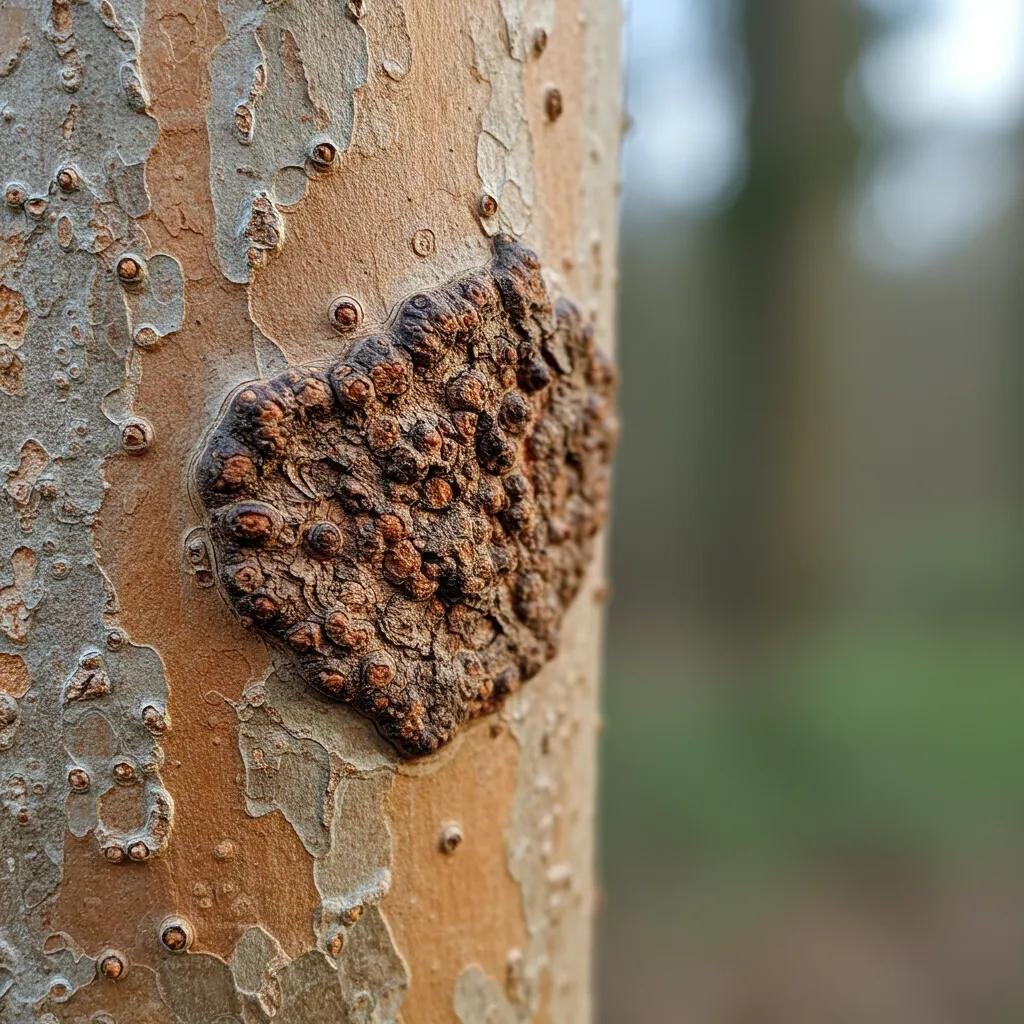
Bark cankers are dead patches on the bark, usually caused by fungi or bacteria that get into the inner bark layers, disrupting the flow of nutrients. Sunken areas with discolored edges often signal fungal infections, like those from Cytospora or Phomopsis. If you see sap oozing or bleeding from the bark, it could be a bacterial canker, particularly common on stone fruits and ornamental trees.
Keeping an eye on your tree trunks and main branches for these cankers allows arborists to map out the spread of the disease and suggest targeted pruning or protective treatments. Catching bark issues early can prevent girdling, which can kill branches or even the entire tree if ignored.
How to Detect Branch Dieback and Root Rot Early
Branch dieback appears as browning leaves and dying tips that spread progressively down the branches. This is often a symptom of root problems or blockages in the tree’s vascular system. Fungi like Ganoderma and Phytophthora can infect the roots, leading to root rot, which then shows up above ground as wilting, stunted growth, and discoloration. Gently probing the base of the trunk near the roots can reveal soft, wet tissue, a common sign of root rot.
By combining visual checks of the branches with non-invasive tools like sonic tomography or resistograph testing, ISA-certified arborists can confirm internal decay. Early detection improves the chances of successful treatment and helps decide whether pruning or removal is necessary to prevent the spread of soil-borne diseases.
When Should You Suspect a Tree Fungus or Pest Infestation?
You should suspect a fungal infection or pest invasion when you notice several symptoms at once. For example, leaf spots accompanied by visible fungal growths, or branches dying back along with signs of insect activity like boreholes and sawdust. The larvae of the Emerald Ash Borer, for instance, leave behind characteristic D-shaped exit holes and fine sawdust-like material. Fungal leaf spots often have a pattern of concentric rings and raised edges.
Regularly observing combinations of symptoms helps both property owners and arborists identify complex infestations early. This ensures a comprehensive management approach that tackles both pests and diseases before the tree suffers irreversible damage.
Which Tree Diseases Are Most Prevalent in Port Orange and Florida?
Florida’s warm, humid climate is ideal for certain pathogens that frequently affect ornamental and fruit trees. Laurel wilt, Ganoderma root rot, lethal yellowing, and citrus canker are common issues in our area. Each disease presents unique challenges to both native and introduced tree species, requiring specific strategies to keep our urban and orchard landscapes healthy.
Knowing about these regional threats helps property owners anticipate potential problems and schedule proactive health check-ups for their trees.
What Is Laurel Wilt Disease and How Does It Affect Local Trees?
Laurel wilt is a devastating fungal disease spread by the redbay ambrosia beetle. It primarily affects trees in the laurel family, such as red bay, sassafras, and avocado. The fungus blocks the tree’s water-conducting vessels (xylem), causing rapid wilting, leaf drop, and branch death within weeks. Signs like stained sapwood and sawdust-like frass near beetle tunnels confirm the diagnosis.
ISA-certified arborists strongly recommend promptly removing and chipping infected trees to disrupt the beetle’s life cycle and protect nearby trees from the disease spreading.
How to Identify Ganoderma Root Rot in Florida Trees
Ganoderma root rot, caused by the fungus Ganoderma zonatum, commonly affects palms, oaks, and pines. It’s often identified by the presence of bracket-like fungal growths (conks) at the base of the tree near the soil line. Internally, infected trunks may show rings of decay, leading to structural weakness and potential tree failure. On palms, yellowing fronds, and on oaks, thinning canopies, can be early external indicators.
Confirming Ganoderma involves observing the perennial conks and performing tests like resistograph analysis. Management typically involves removing infected stumps and avoiding planting susceptible species in areas where the fungus is present.
What Are the Signs of Lethal Yellowing in Palm Trees?
Lethal yellowing is a disease caused by a phytoplasma. It leads to blackened flower clusters, premature fruit drop, and yellowing that starts at the edges of palm fronds and moves inward. Affected palms often show drooping spear leaves and root decline before the entire canopy collapses. The disease tends to appear in clusters, often near water sources, suggesting transmission by planthoppers.
Quick diagnostic tests and mapping the spread of symptoms help arborists recommend planting resistant palm varieties and implementing measures to control the insect vectors, which can slow down the disease’s progression.
How to Prevent and Treat Citrus Canker in Florida Orchards
Citrus canker causes raised, water-soaked spots on leaves, fruit, and stems of citrus trees. These spots are often surrounded by a yellowish, oily halo. The bacteria, Xanthomonas citri, enter the plant through natural openings or wounds and spread through wind-driven rain. Preventive measures include spraying with copper-based solutions, pruning infected twigs, and maintaining strict hygiene for all equipment used in the orchard.
An integrated approach to orchard management combines regular health checks by arborists with the use of disease-resistant rootstock to minimize the impact of canker outbreaks and ensure good fruit yields.
What Are the Best Tree Disease Treatment Options Available?
Effective tree disease treatments often involve a combination of chemical, cultural, and mechanical methods, all tailored to the specific disease and the type of tree. Options include applying fungicides, precise pruning, removing trees when necessary, and using biological controls. The best approach depends on the disease, the tree’s age, and its surroundings, aiming to help the tree recover and prevent future problems.
The arborists at Tree Service Port Orange develop comprehensive treatment plans designed to extend the life of your trees while minimizing any impact on the environment.
When and How Is Fungicide Application Effective?
Fungicides work best when applied at specific times in the pathogen’s life cycle and when they can cover the entire tree canopy. Systemic fungicides are absorbed by the tree’s tissues to fight internal diseases, while contact fungicides form a protective barrier on healthy surfaces. Applying them as buds break or before rainy seasons can be highly effective against fungi that cause leaf spots.
Proper equipment calibration, choosing the right active ingredients, and following application guidelines are crucial for success. Certified professionals ensure treatments are effective and safe for beneficial organisms.
How Does Pruning Help Control Tree Disease Spread?
Pruning is effective because it removes infected branches, preventing the disease from spreading further. It also improves air circulation within the tree’s canopy, reducing the moisture that fungi need to thrive. Making clean cuts just outside the branch collar helps the tree heal properly. It’s also important to clean your tools with a disinfectant between cuts to avoid spreading pathogens.
Strategic pruning also removes deadwood and improves the tree’s overall structure, strengthening its natural defenses against future infections.
When Is Tree Removal Necessary for Disease Management?
Removing a tree becomes necessary when decay has significantly weakened its structure, the disease is too advanced for other treatments, or the infected tree poses a risk of spreading the disease to other nearby trees. Completely removing trees that are severely infected, especially with root rots or wilting diseases, helps stop the disease cycle and protects your property.
After removal, arborists often recommend grinding the stump and treating the soil to eliminate any remaining pathogens and prepare the site for planting new, resistant trees.
What Biological Controls Are Used for Tree Pest and Disease Management?
Biological controls involve using natural enemies or beneficial organisms to manage pests and diseases. This can include using nematodes that target root-feeding insects or introducing predatory mites to control scale insects. Mycorrhizal fungi can also be introduced to improve root health and boost the tree’s natural resistance to diseases.
By incorporating biological agents into a broader management plan that includes good cultural practices, we can create a healthier ecosystem for the trees, reduce the need for chemical treatments, and enhance their overall resilience.
How Can Tree Pest and Disease Control Protect Your Trees?
Integrated pest and disease control is a comprehensive strategy that combines regular monitoring, targeted treatments, and good cultural practices. By identifying pests like the Emerald Ash Borer or the Asian Citrus Psyllid early and coordinating their control with disease management efforts, arborists can protect trees from combined threats that can accelerate decline.
This unified approach makes each tactic more effective and reduces the need for repeated interventions.
What Are the Threats of Emerald Ash Borer in Florida?
The larvae of the Emerald Ash Borer tunnel into the bark of ash trees, disrupting the flow of nutrients and water. This leads to thinning canopies, dying branches, and eventually, the death of the tree. Signs of infestation include D-shaped exit holes in the bark and serpentine tunnels created by the larvae. Early detection through traps and branch sampling helps determine the best time to apply systemic insecticides.
Acting quickly can save valuable ash trees, preserve forest diversity, and prevent hazards to properties and landscapes.
How to Identify and Control Asian Citrus Psyllid Infestations
Asian citrus psyllids are dangerous because they transmit Huanglongbing, a devastating disease affecting citrus trees. The immature psyllids, called nymphs, often have waxy secretions and are found on the undersides of leaves. Adult psyllids look like tiny, mottled moths. Promptly applying horticultural oils or specific insecticides can target these vulnerable nymph stages and reduce the risk of disease transmission.
Combining psyllid control with planting disease-resistant citrus varieties and ensuring proper tree nutrition helps create a more resilient orchard that can better withstand both the psyllids and the diseases they carry.
What Are the Signs of Termite Damage and How to Protect Trees?
Termites can damage trees by feeding on their roots and lower trunks, which can lead to thinning canopies and blistering bark. The presence of small mud tubes at the base of the trunk or along exposed roots is a sign of an active termite colony. Treatments like soil-applied termiticides or baiting systems can effectively manage infestations without harming beneficial insects.
Protecting the soil ecosystem through barrier treatments and ensuring good drainage can reduce the pressure from termites and help maintain the tree’s overall health.
How Do Pest Management Strategies Complement Disease Treatment?
Controlling pests helps reduce the stress on trees, making them less susceptible to diseases. Conversely, treating diseases helps restore the tree’s structure and function, making it more resilient to pest attacks. For example, managing insects that produce honeydew can prevent the growth of sooty mold, and applying fungicides can protect trees that are weakened by pest damage.
This integrated approach promotes long-term tree health, minimizes the need for repeated treatments, and maximizes the effectiveness of each intervention.
Why Is Professional Arborist Tree Health Assessment Crucial for Disease Diagnosis?
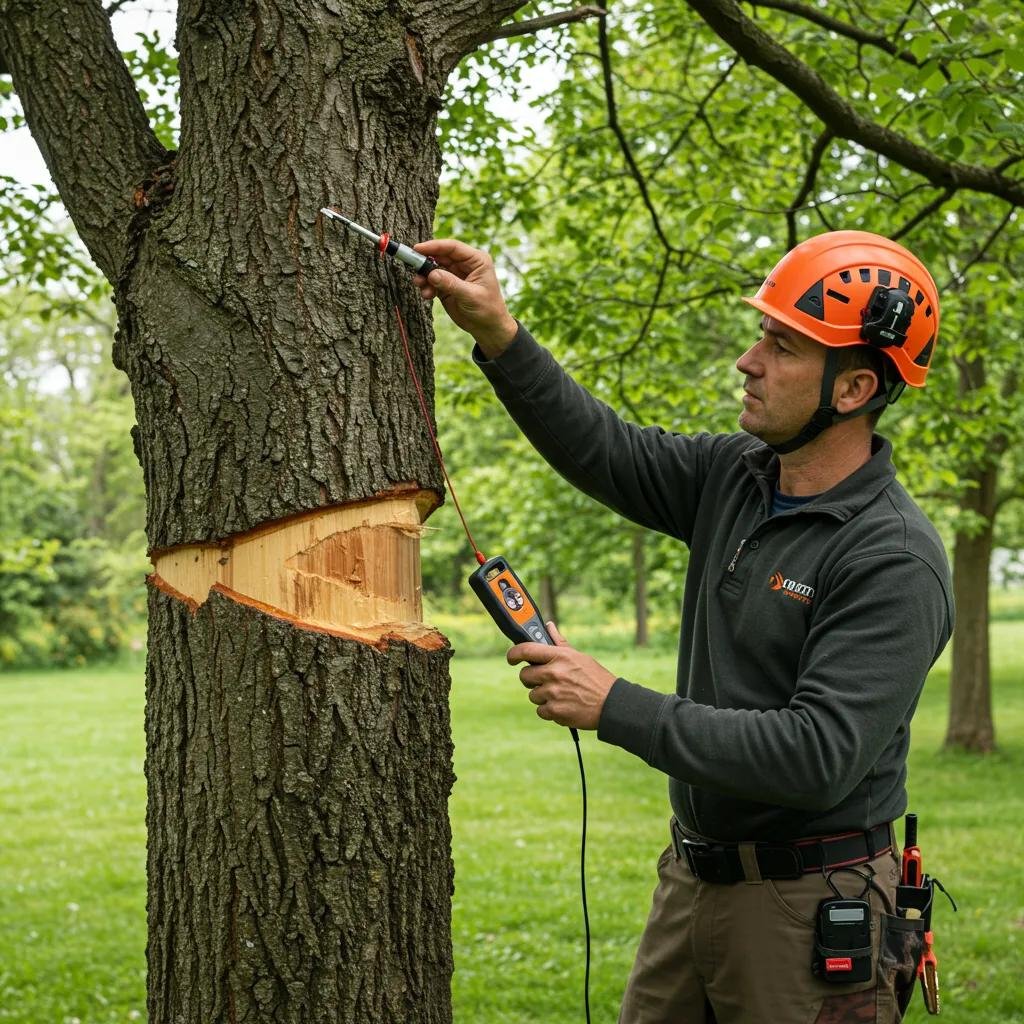
A professional assessment by an arborist provides accurate information about tree diseases through careful observation, lab testing, and advanced diagnostic tools. Certified ISA arborists examine the tree’s canopy, structure, soil, and root system to identify the cause of problems and recommend comprehensive solutions that go beyond what a non-specialist can do.
Getting expert help early can lower treatment costs and protect your investment in your trees.
What Does a Certified ISA Arborist Look for During Tree Health Assessments?
ISA-certified arborists meticulously inspect the density of the crown, the color of the foliage, the structure of the branches, the condition of the bark, and the health of the root flare. They also consider environmental factors like soil moisture and compaction. They document where symptoms appear, collect samples for lab analysis, and use tools like resistographs to detect hidden decay within the tree.
This detailed evaluation ensures accurate disease identification and leads to precise treatments customized for each tree and its specific location.
How Do Arborists Diagnose Tree Diseases Using Visual and Non-Invasive Methods?
Arborists use tools like binoculars and headlamps to examine high branches for signs of disease, such as leaf spots, fungal growths, or insect damage. At ground level, they probe the root collar to identify areas of decay. Advanced techniques like sonic tomography and microdrilling resistographs allow them to assess the internal structure of the tree without causing harm.
Combining visual inspection with these non-invasive diagnostic methods speeds up the decision-making process and helps avoid unnecessary tree removals.
When Should Property Owners Call an Arborist for Tree Disease Concerns?
Property owners should contact an arborist as soon as they notice any unusual changes in their trees, such as discolored leaves, bark lesions, dieback, or the appearance of fungal growths, especially on mature or valuable trees. Regular check-ups, ideally twice a year, can catch problems early before they become severe.
Scheduling a tree health assessment with Tree Service Port Orange promptly ensures that your trees receive the right treatment plan quickly, helping to maintain the beauty of your landscape.
How Does Local Expertise in Port Orange Improve Disease Management Outcomes?
Arborists who work locally in Port Orange have a deep understanding of the area’s specific climate, common fungal diseases, and pest patterns. This knowledge allows them to recommend treatments that are proven effective in our region and suggest tree varieties that are more resistant to local threats. Their familiarity with Volusia County’s soil types and weather patterns also helps them assess disease risks more accurately and optimize watering and fertilization schedules.
This specialized local knowledge leads to faster recovery for trees and more cost-effective treatments for property owners.
What Preventative Tree Care Practices Help Avoid Disease and Pest Problems?
Preventative tree care focuses on keeping trees strong and healthy through proper watering, fertilization, pruning, and regular monitoring. Good cultural practices boost a tree’s natural defenses, making it less likely to develop diseases or attract pests. Establishing these routines ensures trees remain healthy over the long term and reduces the need for reactive treatments.
Property owners benefit from structured maintenance plans that anticipate seasonal challenges and keep their trees in top condition.
How Does Proper Watering and Fertilization Support Tree Health?
Ensuring adequate soil moisture and balanced nutrients is vital for strong root development and healthy cells, which helps trees resist diseases. Watering deeply but infrequently encourages roots to grow deeper, while using slow-release fertilizers provides essential nutrients without causing salt buildup.
A robust root system not only improves nutrient absorption but also strengthens the tree’s immune-like response to infections and insect attacks.
Why Is Soil Health Important for Disease Resistance?
Soil that is rich in organic matter supports a healthy population of beneficial microbes. These microbes can help suppress disease-causing organisms and improve nutrient availability. Well-drained soils prevent waterlogged conditions that can lead to root rot, and the presence of mycorrhizal fungi enhances nutrient uptake and boosts the tree’s overall resistance to diseases.
Regular soil testing and amendments help create an optimal environment where trees can thrive and naturally defend themselves against infections.
How Often Should You Schedule Tree Health Assessments?
Scheduling tree health assessments every 12 to 18 months is recommended to catch any emerging issues early and to monitor the effectiveness of ongoing treatments. Conducting inspections twice a year, once in the spring and again in the fall, aligns with periods of peak disease activity and tree growth.
Consistent professional monitoring allows arborists to adjust care plans as needed based on changing conditions and to minimize long-term risks to the trees.
What Are Best Practices for Pruning to Prevent Disease Spread?
Pruning for tree health involves removing dead or diseased branches before the pathogens can produce spores, thereby disrupting the disease cycle. Cuts should be made just outside the branch collar to protect the surrounding tissue. It’s essential to clean pruning tools with a disinfectant between cuts to prevent cross-contamination.
Performing pruning during dry weather conditions further reduces the risk of pathogens entering the tree through fresh wounds.
How Can You Identify Tree Diseases Using Symptom-Based Guides and Tools?
Symptom-based guides and diagnostic tools can help property owners perform initial assessments and decide when it’s time to call in the experts. By carefully observing visual clues and comparing them to reference images, users can narrow down the possibilities and gather important information to share with their arborist.
Interactive tools make the identification process smoother and can lead to more effective treatments.
What Are the Key Visual Symptoms to Look for in Common Tree Diseases?
Key visual signs include wilting leaves, yellowing between leaf veins, dead spots, oozing bark, sunken cankers, visible fungal growths, branches dying back, and decay at the root collar. Noting when symptoms appear, how they are distributed, and how quickly they progress helps make the diagnosis more accurate.
Keeping a record of symptoms can improve your ability to predict problems and plan your management strategies.
How Does a Tree Disease Identifier Tool Help Diagnose Problems?
A tree disease identifier tool guides users through a series of questions about symptoms—such as leaf patterns, bark changes, or canopy decline—and then suggests potential diseases or pests based on regional data. Tools that use image recognition and include information on local prevalence can increase diagnostic accuracy.
This interactive approach helps speed up the decision-making process and ensures property owners have crucial details ready when they contact an arborist.
What Are the Most Effective Ways to Use Photos and Images for Disease Identification?
Taking clear, well-lit photos of affected leaves, bark, fungal growths, and the overall canopy is essential for remote preliminary assessments. Close-up shots of symptom details and wider shots showing the extent of the problem help arborists gauge the severity and plan their site visits more effectively.
Consistently documenting symptoms with photos over time is also valuable for tracking the progression of a disease and evaluating the success of treatments.
How Can Property Owners Use Symptom Guides to Decide When to Seek Professional Help?
Symptom guides that categorize issues by severity—from minor leaf spots to serious root collar decay—help property owners determine if they can manage the problem themselves or if they need professional assistance. These guides often advise contacting an arborist when multiple symptoms are present or when there’s a risk of structural failure.
Using these tools ensures that you get professional help when it’s needed most, increasing the chances of saving your trees and protecting your property.
Recognizing tree diseases early and taking strategic action are vital for maintaining healthy trees and preserving property value in Port Orange. By understanding common symptoms, regional diseases, and effective treatment options, along with integrated pest management strategies, property owners can work effectively with licensed ISA-certified arborists. Proactive care, regular assessments, and using diagnostic tools further strengthen trees against emerging threats. For personalized tree health assessments and expert disease treatment plans, rely on the local expertise of Tree Service Port Orange to protect and enhance your landscape for years to come.