Effective Injection Treatments for Tree Disease & Pest Control
Tree injections are a specialized arboricultural method that delivers treatments directly into a tree’s circulatory system. By using trunk or stem ports, we can move fungicides, insecticides, or nutrients through the xylem, providing systemic protection. This guide explains what tree injections are, how trunk and stem injection systems work, and why property owners choose these systemic treatments for disease and pest control. Many landowners struggle with progressive declines caused by pathogens like Ash Dieback or pests such as the Emerald Ash Borer. Systemic injection treatments offer a precise way to combat internal threats while minimizing exposure to non-target areas and reducing runoff. You’ll learn the science behind these injections, common diseases and pests they address, the step-by-step service process you can expect, and the factors that influence treatment costs. We also compare different injection systems, highlight their environmental benefits, and provide clear guidance on when to call a professional arborist. Later sections detail local service availability and how Volusia Bobcat & Tree Service LLC supports Port Orange and Volusia County property owners seeking assessments and treatment solutions.
What Are Tree Injections and How Do They Work?
Tree injections involve placing treatment solutions directly into the trunk or stem, allowing compounds to travel systemically through the tree’s vascular tissues to target disease and pest agents. The mechanism relies on xylem transport: once introduced into an injection port, water-soluble formulations move upward with the sap flow to the leaves, branches, and feeding sites, offering internal protection without broad spray exposure. The key advantage is targeted effectiveness against vascular pathogens and internal pests, which conventional foliar sprays often miss. Understanding the tree’s natural transport system helps explain why injections can reach internal tissues more quickly and why proper timing and tree condition are crucial for uptake and distribution.
What is tree injection treatment and its purpose?
Tree injection treatment is a focused application method that introduces active ingredients directly into the tree to manage diseases, control pests, or supply essential nutrients from within. It’s the preferred choice when pathogens reside in vascular tissues, when spray drift is a concern, or when roots and canopy are difficult to reach with conventional treatments. Property owners often opt for injections for high-value or specimen trees where preservation is paramount, and in urban environments where minimizing environmental exposure is critical. This purpose naturally leads to understanding how trunk and stem injections effectively move materials throughout the tree.
How does trunk and stem injection deliver treatments systemically?
Trunk and stem injections deliver treatments systemically by introducing a formulation into the xylem, where sap flow then distributes dissolved compounds upward and into lateral tissues. This process utilizes the tree’s natural transpiration and sap movement; the injected agent becomes part of the tree’s internal transport system, reaching targets like roots, cambium, and foliage. The speed of uptake depends on sap flow rates, the tree’s vigor, and the formulation’s characteristics, which is why a thorough health assessment is vital before treatment. Understanding these transport dynamics helps property owners appreciate the timelines for symptom improvement and the necessity of follow-up visits.
What are the main benefits of tree injections for disease and pest control?
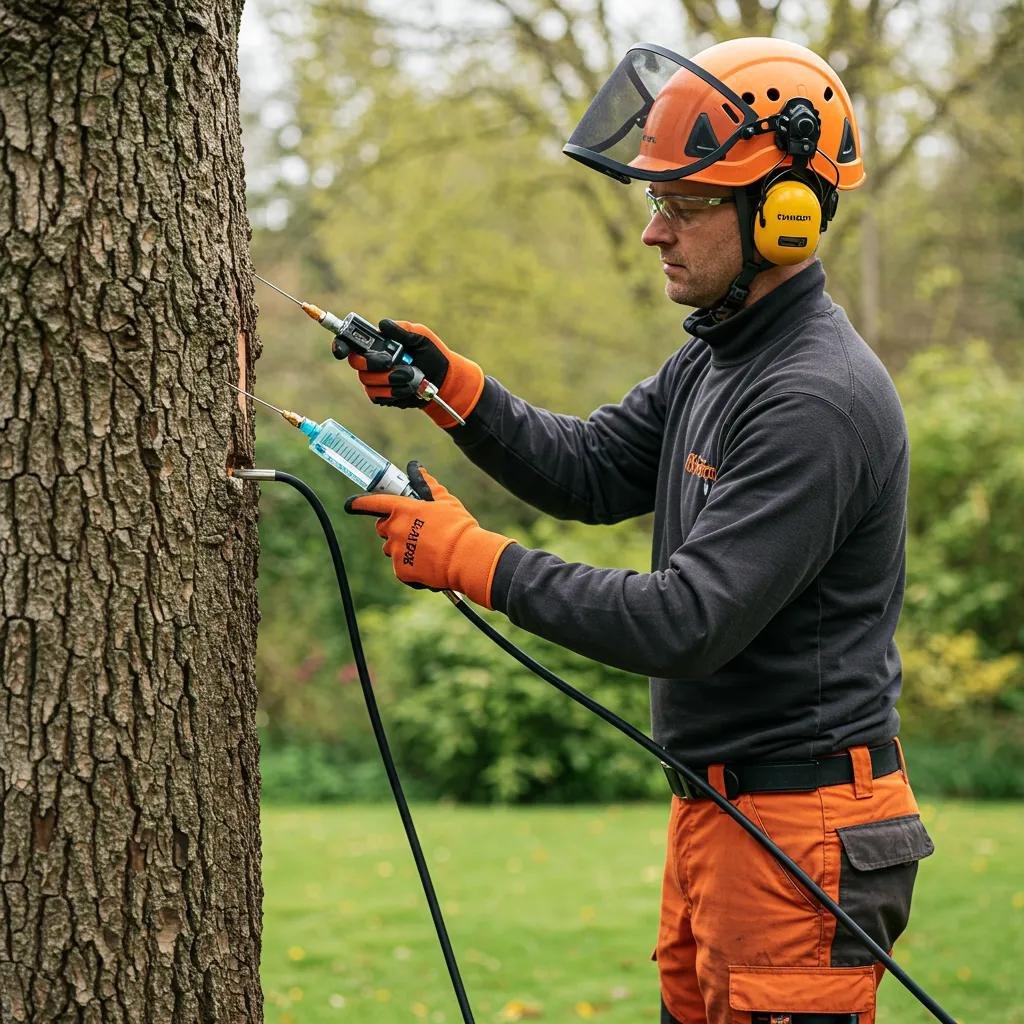
- Targeted Delivery: Direct application minimizes chemical drift and limits exposure to surrounding plants and people.
- Systemic Protection: Injected compounds travel internally to feeding or infection sites that sprays can’t reach.
- Reduced Runoff: Minimal surface application significantly lowers the risk of environmental contamination in soil and waterways.
Which injection systems and equipment are commonly used?
We utilize various injector systems depending on the tree’s size, the required treatment volume, and the desired delivery rate. Common systems include low-pressure micro-injectors and cartridge systems for precise dosing. Devices like single-shot ports, continuous low-pressure pumps, and pressurized units offer professionals flexibility to match the formulation’s viscosity and the tree’s condition. Safety is paramount, involving correct port placement, calibrated dosing, and containment during application to prevent surface contamination. Understanding these equipment differences helps you discuss your options and expected results with our arborists.
Which Common Tree Diseases Can Be Treated with Tree Injections?
Tree injections are highly effective for several vascular and foliar diseases where systemic delivery can reach the infection site and provide therapeutic or preventive protection. The following disease reference compares symptoms and typical injection purposes, helping you recognize signs and consider injections as part of an integrated care plan. The table below summarizes common diseases, their visible indicators, and how injections are used for treatment or management.
| Disease | Symptom(s) | Typical Injection Treatment / Purpose |
|---|---|---|
| Ash Dieback | Crown thinning, epicormic shoots, branch dieback | Systemic fungicide injections to slow progression and protect healthy tissues |
| Phytophthora root rot | Wilting, root decline, canopy dieback | Trunk injections used alongside soil and drainage improvements to reduce vascular colonization |
| Dutch Elm Disease | Rapid wilting, bark streaking, branch flagging | Systemic fungicide injections aimed at saving high-value elms when applied early |
| Bacterial canker | Cankers, oozing sap, branch dieback | Injections can bolster tree defenses when combined with pruning to remove infected tissues |
Different diseases manifest with distinct signs, and our injection strategies are designed to address internal infections or safeguard healthy tissues.
How does tree injection treat Ash Dieback effectively?
For Ash Dieback, injections deliver systemic fungicides directly into the xylem to protect remaining healthy tissues and slow the fungal advance. Early detection—indicated by crown thinning and branch dieback—significantly improves the chances that injections will limit progression and preserve the tree’s structural integrity. Treatment is typically part of a comprehensive approach that includes ongoing monitoring and potential removal if decline continues. Property owners should schedule an assessment promptly when symptoms appear to determine if injection therapy is suitable.
What are the signs and injection treatments for Phytophthora Root Rot?
Phytophthora root rot often presents as canopy thinning, reduced vigor, and intermittent wilting, with root symptoms being less obvious, making diagnosis challenging. Trunk injections can deliver systemic compounds that mitigate vascular damage as part of a plan addressing poor drainage and soil health. Injections do not replace the need for soil remediation but can stabilize above-ground symptoms while corrective measures are implemented. This combined approach highlights why an arborist’s assessment often includes evaluation of both the root system and the canopy.
How do injections help manage Dutch Elm Disease and Bacterial Canker?
In vascular diseases like Dutch Elm Disease and certain bacterial cankers, injections aim to deliver fungicidal or supportive compounds into the vascular system to slow pathogen spread and protect uninfected tissues. Early intervention is critical because once the vascular network is extensively compromised, restoration is unlikely. Injections are most effective on high-value trees detected early and are often paired with sanitation pruning to remove infected material. The principle of early detection informs the seasonal timing considerations discussed next.
Management of Dutch Elm Disease Using Fungicide Injections
Fungicides, administered preventatively or curatively, have been instrumental in reducing disease incidence where other methods were not feasible or were not employed. Fungicides should be regarded as one component of a comprehensive strategy. This paper examines the historical progression of fungicidal management of DED and discusses the comparative efficacies of various methods and products.
The management of dutch elm disease, 2000
When should tree injections be applied for optimal disease control?
The optimal timing for injections depends on the tree’s physiology and the disease stage; application is most effective during active sap flow and before irreversible decline sets in. Our professionals assess the canopy’s condition, recent stressors, and seasonal sap dynamics to identify a window that maximizes uptake and distribution. Consulting a certified arborist ensures injections are not administered when a tree is too compromised to benefit and helps align treatment timing with local environmental conditions. This assessment process naturally leads into understanding how injections effectively control pests as well as diseases.
How Do Tree Injections Control Pests Affecting Trees?
Tree injections control pests by delivering systemic insecticides or biologically active compounds into the vascular system, where internal feeders ingest treated tissues. This method targets borers and other endophagous insects that live within the wood and are shielded from foliar sprays, thereby reducing the pest’s ability to feed and reproduce. Examples include treatments designed to disrupt the life cycles of wood-boring beetles and certain sap-feeding insects. The environmental advantage of this targeted approach minimizes non-target impacts, which we summarize in a pest-focused table below.
| Pest | Damage caused | Injection approach / expected outcome |
|---|---|---|
| Emerald Ash Borer | Feeding on inner bark and cambium, leading to canopy dieback | Systemic insecticide injections target larvae within vascular tissues, reducing mortality and spread |
| Oak Processionary Moth | Defoliation and caterpillar nests (where present) | Injections can complement foliar controls; most effective for systemic protection when larval feeding is internal |
| Horse Chestnut Leaf Miner | Leaf mining, reducing aesthetic appeal and photosynthetic capacity | Injections can reduce systemic pest pressure when foliar treatments are impractical |
This table illustrates that injections are particularly effective against internal feeders like borers and can be integrated with other Integrated Pest Management (IPM) measures for foliar pests. The next section explains why injections are uniquely suited for combating the Emerald Ash Borer.
Why are tree injections effective against Emerald Ash Borer infestations?
Emerald Ash Borer larvae feed beneath the bark, largely protected from contact sprays, making systemic injections an effective delivery method for insecticidal compounds. Injected agents travel through the xylem into the cambial tissues where larvae consume treated material, disrupting their development and reducing reproductive success. Treatment timing often aligns with beetle life stages and sap flow to ensure optimal uptake, and repeated monitoring determines if retreatment is necessary. This targeted approach stands in contrast to broad spray methods and leads into considerations for other pests where injections may be combined with foliar tactics.
How do injections manage Oak Processionary Moth and Horse Chestnut Leaf Miner?
For caterpillars and leaf-miner species, injections can play a supporting role by enhancing the tree’s systemic defenses or by delivering compounds that reduce herbivore success when foliar sprays are not ideal. However, foliar or biological interventions often remain the primary control methods for surface feeders, with injections being used when canopy access is limited or when long-lasting systemic protection is required. Integrated pest management combines monitoring, selective foliar controls, and injections where evidence supports systemic efficacy. Recognizing these complementary roles helps property owners understand when injections are the most logical choice.
What are the environmental advantages of injection-based pest control?
Injection-based pest control significantly reduces off-target exposure by confining active ingredients within the treated tree rather than dispersing them across the landscape. Minimized drift and reduced surface runoff protect nearby plants, pollinators, and water bodies, aligning injections with environmental stewardship principles. Professional dosing and correct timing further decrease the likelihood of non-target impacts compared to broad-spectrum foliar applications. These environmental benefits often make injections a preferred option in urban and sensitive ecosystems.
What Is the Tree Injection Process and What Should Property Owners Expect?
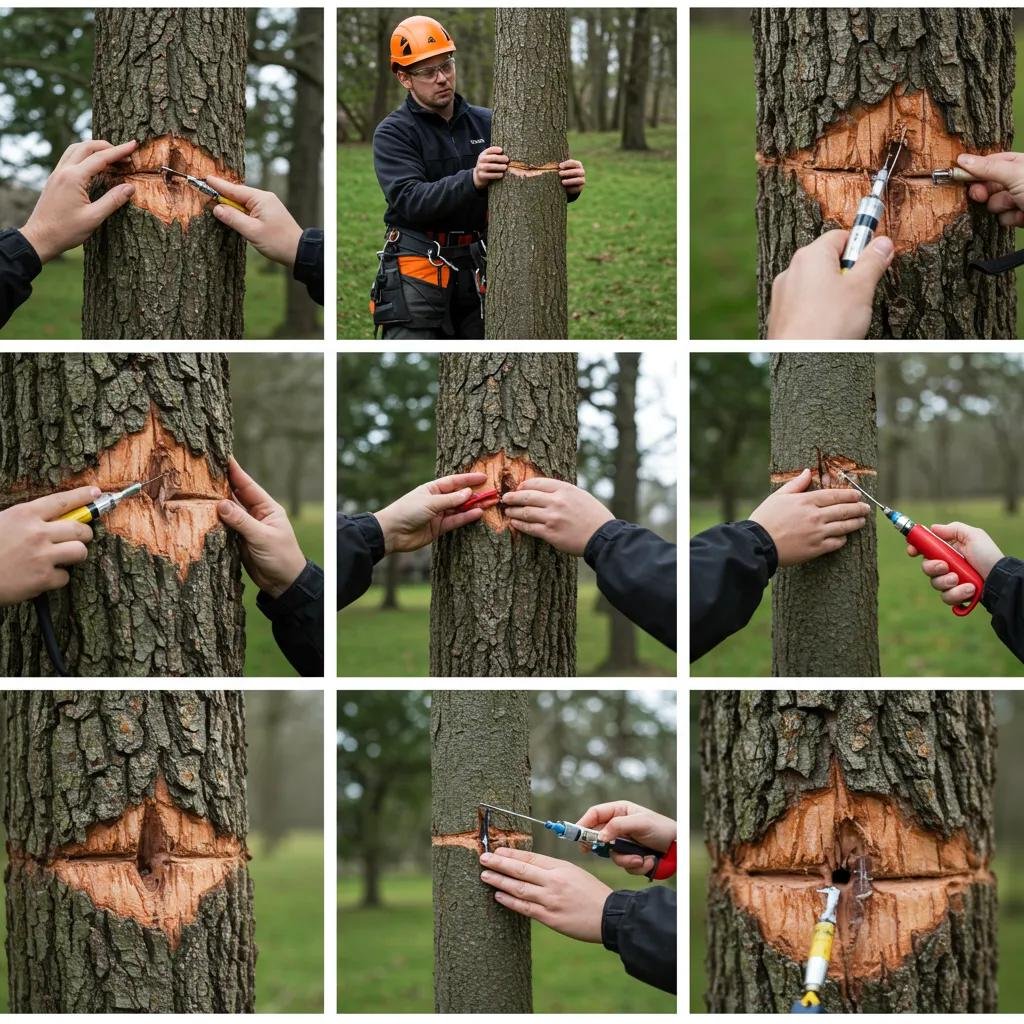
The tree injection process begins with a thorough health assessment and proceeds through carefully measured application steps to ensure safety, efficacy, and proper follow-up monitoring. Property owners can expect a structured workflow: initial inspection and diagnosis, selection of the appropriate formulation and delivery system, precise port placement and dosing, and scheduled re-checks to evaluate the tree’s response. This systematic process reduces uncertainty and supports evidence-based decisions regarding follow-up treatment or additional interventions. Below is a numbered sequence outlining the typical steps for a professional service visit.
- Initial assessment: Visual inspection, review of the tree’s history, and a risk/benefit analysis.
- Diagnosis & plan: Determination of the correct formulation, system, and timing based on findings.
- Application: Site preparation, port insertion, measured injection, and thorough cleanup.
- Follow-up: Monitoring the tree’s progress, tracking symptoms, and scheduling re-treatment if necessary.
How is a tree health assessment conducted before injection treatment?
A tree health assessment involves a detailed visual inspection of the canopy, an evaluation of the bark and roots, and a collection of site history concerning stressors or previous treatments. The arborist assesses structural stability, looks for signs of vascular disease, and determines if injections are likely to effectively reach affected tissues. If the diagnosis is uncertain, the assessment may recommend further diagnostics, such as laboratory testing or root zone evaluation, before proceeding. Clear assessment results form the foundation for an informed treatment plan and appropriate injection timing.
What are the step-by-step procedures during a tree injection service?
During a service visit, our professionals prepare the site by protecting surrounding surfaces, select injection locations that avoid structural defects, and insert ports or drill holes to the accepted depth and angle. They then deliver a calibrated dose using the chosen injector system, seal or cap ports as required, and meticulously clean up materials, ensuring no residual surface contamination occurs. Safety measures include the use of personal protective equipment, containment of any spills, and clear communication with the property owner regarding aftercare instructions. These operational steps ensure both effective uptake and site safety.
How long does the treatment take to show results and how often is it repeated?
Visible improvements may become apparent within weeks, but this depends on the specific pest or pathogen, the tree’s size and condition, and the formulation used. Some effects are measurable sooner, while others require multiple seasons to fully assess. Re-treatment intervals vary based on the product and local conditions, and our arborists will recommend a monitoring schedule to detect recurrence or incomplete control. Factors such as severe infestations, poor tree vigor, or environmental stress may necessitate more frequent interventions. Regular follow-up helps maintain protection and informs any broader management adjustments.
Volusia Bobcat & Tree Service LLC conducts comprehensive health assessments for property owners in Port Orange and Volusia County as part of our planned injection service offerings. We emphasize professional evaluation to determine treatment suitability and invite homeowners to request a complimentary tree health assessment to explore their options. This local focus ensures treatments are tailored to site-specific conditions and integrates seamlessly with our broader tree care services.
How Much Do Tree Injection Treatments Cost and What Factors Affect Pricing?
The cost of tree injection treatments is influenced by several clear factors rather than a single fixed price; understanding these variables helps property owners set realistic expectations. Key cost drivers include the tree’s size (diameter at breast height), the severity of the infestation or disease, the required formulation type and volume, site access challenges, and the need for follow-up visits. The table below outlines these cost factors, provides descriptions, and explains how each impacts the price, offering transparent guidance.
| Cost Factor | Description | Effect on Price |
|---|---|---|
| Tree size and complexity | Larger trunks require more product volume and time | Increases labor and material costs |
| Severity and treatment frequency | Advanced infestations may necessitate repeated applications | Raises the total campaign cost |
| Formulation and delivery system | Specialty systemic compounds and advanced injectors incur higher costs | Increases the material/equipment portion of the price |
| Access and site conditions | Difficult access or the need for protective measures increases time spent on site | Adds to labor and logistical charges |
- Obtain an assessment: Complimentary estimates allow owners to understand the scope before committing.
- Compare value: Consider the longevity and value of the tree against one-off treatments.
- Plan for follow-up: Budget for monitoring and potential re-treatment in multi-year programs.
Volusia Bobcat & Tree Service LLC explicitly offers complimentary estimates for property owners in Port Orange, making it easy to understand likely costs before scheduling work. We encourage you to request an assessment to receive a site-specific plan and an itemized cost estimate tailored to your trees.
What influences the cost of tree disease and pest control injections?
The tree’s diameter, the severity of the issue, the number of trees being treated, and the type of active formulation are significant influences on treatment cost. Operational factors—such as the need for specialized lifting equipment or protective measures—also add to labor hours. The frequency of follow-up treatments and monitoring programs can transform a single treatment cost into a multi-year campaign estimate. Understanding these drivers helps property owners weigh the benefits of injections against alternatives like pruning or removal.
Are free estimates available for tree injection services in Port Orange?
Yes, local service providers in Port Orange frequently offer complimentary, no-obligation estimates to assess tree condition and recommend treatment options. A complimentary estimate typically includes a site inspection, a diagnosis, and a written recommendation detailing the treatment scope and timing. Homeowners should confirm whether follow-up monitoring costs are included or quoted separately. Requesting a complimentary estimate is the recommended first step for any property owner considering injection treatments.
How does the cost compare to other tree care methods?
Compared to repeated foliar sprays, injections can offer superior longevity and targeted efficacy, often proving more cost-effective for high-value or difficult-to-treat trees. Removal eliminates ongoing costs but sacrifices the tree’s benefits, while pruning can mitigate some risks but does not address systemic pests or pathogens. Choosing injections is a value-based decision that balances the tree’s worth, the treatment’s lifespan, and environmental considerations. These comparisons help guide owners when deciding between preservation and alternative interventions.
Why Choose Volusia Bobcat & Tree Service for Tree Injections in Port Orange?
Volusia Bobcat & Tree Service LLC is your local provider serving Port Orange and Volusia County with comprehensive tree care, including specialized injection services. We highlight key customer benefits such as complimentary estimates, 24/7 emergency response, and a professional team skilled in integrated tree care, including removal, trimming, and stump grinding. Our deep understanding of local conditions supports informed decisions about treatment timing and the specific pest and disease pressures prevalent in the region. Property owners can expect responsible practices and clear communication when exploring injections as a preservation option.
What certifications and experience does the team have in tree health injections?
We recommend seeking arborists with industry-standard training and proven experience in tree health assessments, injection techniques, and IPM principles, rather than relying solely on marketing claims. Recommended credentials include recognized arboriculture training and documented experience with systemic treatments, confirming the practitioner’s understanding of dosing, port placement, and follow-up care. Volusia Bobcat & Tree Service LLC prioritizes professional practice standards and trained crews for all health assessments and treatment planning. Verifying practitioner experience minimizes the risk of misapplied treatments and enhances outcomes.
How does Volusia Bobcat ensure safety and environmental responsibility?
As a responsible provider, we implement stringent safety protocols, including the correct use of personal protective equipment, containment of applied materials, precise dosing, and minimizing surface residue during and after injections. Environmental stewardship involves prioritizing injections where they reduce drift and runoff, and selecting treatment plans that protect surrounding vegetation and water resources. Volusia Bobcat & Tree Service LLC is committed to following these responsible practices as part of our comprehensive tree care offerings in the local area. These measures align with homeowner expectations for safe, effective tree health interventions.
What customer support and emergency services are offered for tree health issues?
Local homeowners benefit from prompt assessments and emergency response for storm damage or sudden tree decline. Volusia Bobcat & Tree Service LLC offers 24/7 emergency service availability as part of our comprehensive service mix. Customer support typically includes initial consultations, detailed written treatment plans, clear aftercare guidance, and follow-up monitoring to assess treatment efficacy. Emergency responsiveness ensures urgent structural or safety risks are addressed quickly, while routine support maintains long-term tree health. Understanding these support pathways makes it easier for property owners to decide when to engage professional help.
Frequently Asked Questions
What types of trees are most suitable for injection treatments?
Tree injections are particularly effective for high-value or specimen trees that are at risk from diseases or pests. Species such as Ash, Elm, and Horse Chestnut are commonly treated due to their susceptibility to specific pathogens and pests. However, the suitability of a tree for injection also depends on its overall health, size, and the specific issues it faces. Consulting with a certified arborist can help determine if a tree is a good candidate for this treatment method.
How do I know if my tree needs an injection treatment?
Signs that a tree may require injection treatment include visible symptoms such as wilting, crown thinning, or dieback, which may indicate underlying diseases or pest infestations. Additionally, if a tree has a history of pest problems or is located in an area with known disease outbreaks, it may benefit from preventive injections. A professional arborist can conduct a thorough health assessment to identify issues and recommend appropriate treatments based on the tree’s condition.
What should I expect during the tree injection process?
During the tree injection process, you can expect a structured workflow that begins with a health assessment of the tree. The arborist will then select the appropriate treatment formulation and delivery system. The actual injection involves careful port placement and calibrated dosing to ensure effective uptake. After the procedure, follow-up monitoring is typically scheduled to assess the tree’s response to treatment. This comprehensive approach ensures that the treatment is both safe and effective.
Are there any risks associated with tree injections?
While tree injections are generally safe, there are some risks involved, such as potential damage to the tree if the procedure is not performed correctly. Improper port placement or incorrect dosing can lead to ineffective treatment or harm to the tree. Additionally, if a tree is too compromised, it may not respond well to injections. Engaging a qualified arborist with experience in tree health injections can mitigate these risks and ensure the best possible outcomes.
How can I maintain my tree's health after injection treatment?
After injection treatment, maintaining your tree’s health involves regular monitoring for any signs of stress or new symptoms. Ensure the tree receives adequate water, especially during dry periods, and avoid any unnecessary stressors such as construction or soil compaction around the root zone. Additionally, follow any specific aftercare instructions provided by your arborist, which may include scheduling follow-up assessments to track the tree’s recovery and overall health.
Can tree injections be combined with other treatments?
Yes, tree injections can often be combined with other treatments as part of an integrated pest management (IPM) strategy. For example, injections may be used alongside soil amendments, pruning, or foliar sprays to enhance overall tree health and address multiple issues simultaneously. This holistic approach allows for more effective management of pests and diseases while supporting the tree’s vitality. Consulting with an arborist can help determine the best combination of treatments for your specific situation.
Are tree injections safe for the environment and surrounding plants?
Tree injections are generally safer for the environment than broad foliar sprays because they confine active substances within the treated tree, reducing drift and runoff that can affect non-target plants and aquatic systems. Professional dosing and correct application further limit exposure to people and wildlife. Homeowners should still expect containment measures and clear communication about aftercare to ensure safety. When environmental protection is a priority, injections are often the preferred method.
When is the best time of year to perform tree injections?
The best timing depends on sap flow and tree physiology; applications performed when the tree can actively move sap provide more reliable distribution of systemic compounds. Seasonal factors and the biology of the target pest or pathogen influence the optimal window, so a site assessment helps identify the most effective timing. Avoiding treatments when a tree is in severe stress also improves outcomes. Consultation with a trained arborist ensures timing matches local conditions and treatment goals.
How long do tree injections protect against diseases and pests?
Protection duration varies by formulation, target organism, and tree condition; some treatments provide season-long control while others form part of multi-year management programs. Re-treatment schedules are determined by monitoring results and product specifications, which is why follow-up assessments are important. Trees under environmental stress may require more frequent attention to maintain protection. Regular monitoring enables timely re-treatment when protection wanes.
Comparative Evaluation of Fungicides for the Treatment of Dutch Elm Disease
Commercial fungicide formulations, Arbotect 20-S, Phyton-27, Fungi-Sol, and the biological product Binab-T, were injected into juvenile (average diameter 17.5 cm) American elms, either prior to (prophylactic) or after (therapeutic) the trees were inoculated with the Dutch elm disease (DED)-causing fungus, *Ceratocystis ulmi*. Samples from all trees were cultured to verify the establishment of *C. ulmi*, and DED symptom development was monitored over two growing seasons. At the conclusion of the second growing season, none of the 20 Arbotect-injected trees (prophylactic and therapeutic) exhibited DED symptoms.
Fungicides for dutch elm disease: Comparative evaluation of commercial products, 1987
Can tree injections improve overall tree vitality and nutrient levels?
Nutrient injections are available to address specific deficiencies and can complement disease or pest treatments to enhance vigor when used appropriately. It’s important to distinguish between nutrient injections and pathogen-targeting injections: the former supplies essential elements to support growth, while the latter controls biological threats. When combined thoughtfully, nutrient support and disease/pest control can significantly improve overall vitality and resilience. An integrated approach guided by a professional assessment ensures injections contribute to the tree’s long-term health.
This article has detailed the mechanisms, applications, and practical considerations for trunk and stem injections as a precise tool in disease and pest management. We encourage you to use the diagnostic checklists, lists, and tables provided to guide your discussions with professionals. For Port Orange and Volusia County property owners seeking a local assessment, Volusia Bobcat & Tree Service LLC offers complimentary estimates and emergency response as part of our comprehensive tree care capabilities.