Professional Tree Stump Removal Solutions for Port Orange Homeowners: Expert Stump Grinding and Affordable Services
Removing a tree stump restores safety, improves curb appeal, and unlocks usable yard space for homeowners in Port Orange, and stump grinding is the fastest way to achieve those outcomes without unnecessary excavation. This guide explains what stump grinding and full stump removal involve, when each method is appropriate, the local cost drivers Port Orange residents should expect, and how professional crews manage safety, equipment, and cleanup. Many homeowners face hazards from decaying stumps, trip risks, and pest attraction; this article lays out step-by-step procedures, timing expectations, and practical decisions to make before booking service. You will also find transparent explanations of the major cost factors, a side-by-side comparison of grinding versus full extraction, and clear emergency guidance for storm-damaged properties. Finally, the piece outlines how professional debris hauling and cleanup are coordinated so homeowners understand the full service scope before scheduling a free estimate.
Why Choose Volusia Bobcat and Tree Service for Stump Grinding in Port Orange?
Stump grinding requires trained operators, reliable equipment, and a focus on homeowner safety; choosing a local provider that emphasizes professional, safe service makes the process predictable and low-stress. Volusia Bobcat and Tree Service LLC operates in Port Orange offering comprehensive tree care that includes stump grinding, and the company highlights professional and safe service, affordable pricing, free estimates, and 24 HR emergency service as core value points. Homeowners benefit when the provider coordinates the full job from site inspection through cleanup, minimizing disruption to lawn and landscape while ensuring hazard mitigation. Next we’ll look at the specific safety steps a professional crew follows to protect people and property during a stump grinding job.
What professional and safety standards set us apart?
A thorough pre-job site assessment establishes the scope of stump grinding by identifying hazards, underground utilities, and access constraints before any equipment moves in. On-site safety measures include marking utilities, setting physical barriers, using PPE, and applying machine operation protocols that reduce flying debris, while experienced operators control grinder depth and angle to prevent surface damage. Regular equipment checks and secure worksite practices limit unexpected downtime and protect nearby structures and plantings. These safety controls set the stage for predictable cleanup and a smooth transition to debris removal, which the next subsection describes in an emergency context.
How does our 24/7 emergency stump removal service work?
When a storm or accident leaves a stump unstable or obstructive, the immediate priority is safety triage: securing the area, preventing access, and stabilizing hazards until a crew can assess the situation. Volusia Bobcat and Tree Service LLC offers 24 HR emergency service to triage urgent stump hazards, meaning a homeowner can expect prioritized assessment and an initial mitigation plan focused on safety. Emergency response typically separates stabilization from full removal—initial efforts make the site safe and schedule a complete grinding or extraction when conditions allow. Understanding this triage process helps homeowners know what to expect while crews prepare for full stump removal or grinding.
What affordable pricing options and free estimates do we offer?
Transparency in pricing begins with a free, no-obligation estimate that evaluates stump diameter, access, root complexity, and disposal options so homeowners receive an itemized proposal rather than a guess. Volusia Bobcat and Tree Service LLC provides free estimates as part of its service approach, allowing property owners to compare options such as on-site mulching or hauling chips away and to understand any permit review needs without cost. Affordable pricing is achieved through efficient equipment deployment and partnership for debris hauling, which helps control disposal fees and reduces turnaround time. After reviewing these pricing elements, homeowners can make an informed choice between grinding and full removal based on long-term plans for the site.
What Is the Difference Between Stump Grinding and Full Stump Removal?
Stump grinding and full stump removal are distinct methods: grinding reduces the visible stump to wood chips and a buried root collar, while full removal excavates the entire stump and major roots from the soil. Stump grinding is minimally invasive, faster, and generally cheaper for reclaiming lawn space, whereas full stump removal is more disruptive but eliminates root systems that could interfere with construction or prevent regrowth. Choosing between the two depends on end use—replanting, hardscaping, or avoiding root regrowth—and on soil and site constraints. Below are clear descriptions of the two methods, followed by a comparison table that highlights typical benefits and drawbacks to help homeowners decide.
| Method | Procedure | Value (Benefits / Drawbacks / Typical Use Cases) |
|---|---|---|
| Stump Grinding | Mechanical milling of stump surface to below grade, producing wood chips | Benefits: quick, less soil disturbance, good for lawn restoration; Drawbacks: roots remain, possible regrowth in some species; Use: general landscape clearing |
| Full Stump Removal | Excavation of stump and major roots using backhoe or manual excavation | Benefits: permanent root removal, ideal for construction or septic areas; Drawbacks: higher cost, significant soil disruption; Use: building, heavy landscaping |
| Combination (Grind + Partial Extraction) | Grinding plus targeted root removal near utilities | Benefits: balances cost and permanence; Drawbacks: may still leave deeper roots; Use: sensitive installations near structures |
How does stump grinding work step-by-step?
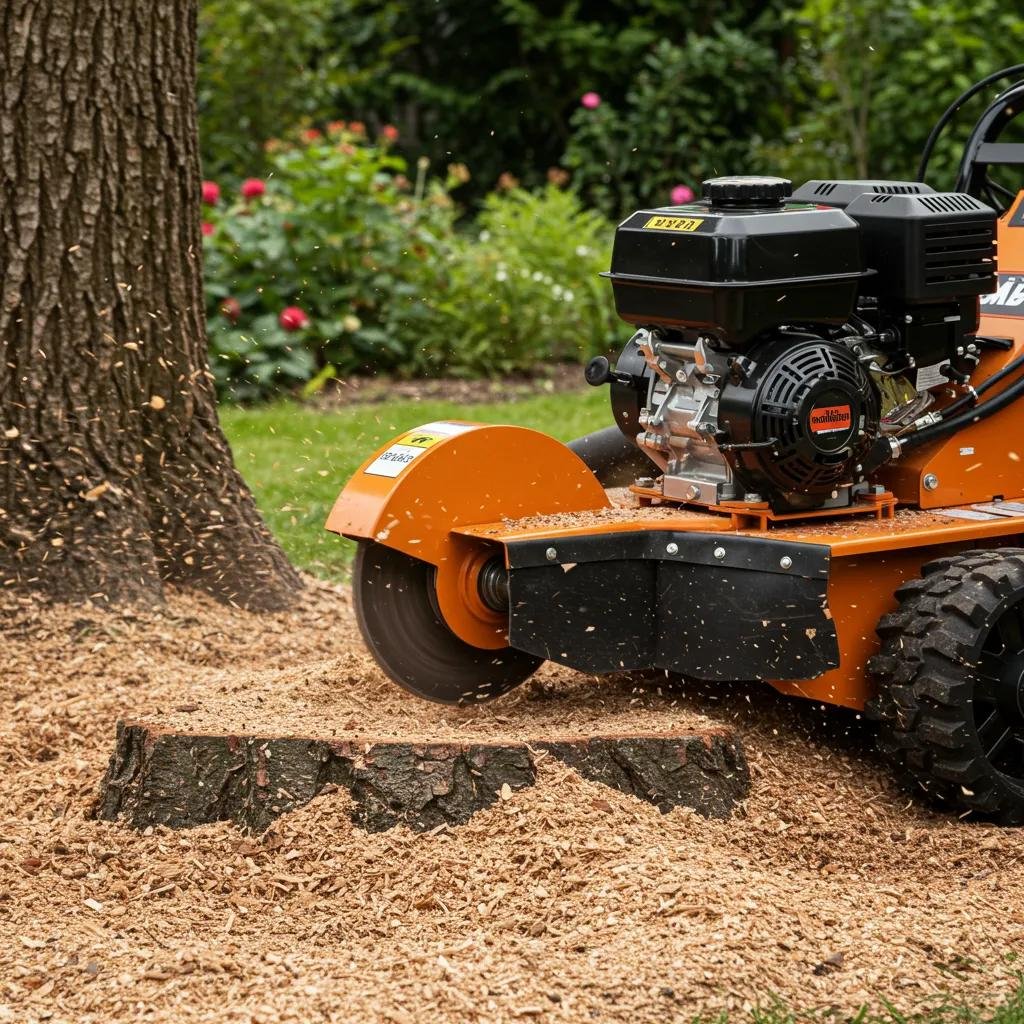
Stump grinding begins with a site inspection to assess access, locate utilities, and determine grinding depth based on homeowner goals for lawn grade and planting. Operators use a stump grinder—either walk-behind for tight access or large mobile units for open yards—to slice the stump into chips while grinding progressively lower until the desired depth below grade is reached. After grinding, crews remove larger chunks, rake wood chips, and either distribute chips as mulch on-site or prepare them for hauling depending on the homeowner’s preference. Final steps include backfilling the cavity with soil and leveling the surface to match surrounding turf; this sequence minimizes visible disturbance and prepares the area for replanting or turf replacement.
When is full stump removal necessary versus grinding?
Full stump removal is recommended when the root system must be eliminated for construction, to prevent damage to foundations or septic systems, or when a complete absence of roots is necessary for a new planting plan. If heavy machinery access is available and the homeowner prioritizes permanent removal over cost, excavation removes the entire root ball and reduces the chance of regrowth or root interference. Conversely, if the goal is quick restoration for lawn use or a garden bed with minimal disturbance, grinding is often the better choice. Assessing long-term site plans clarifies whether the additional cost and soil disruption of full removal are justified.
What are the benefits and drawbacks of each method?
Both methods provide distinct tradeoffs: grinding excels in speed, lower cost, and minimal soil upheaval, while full removal offers permanence and eliminates roots that could damage underground systems. Grinding’s primary drawback is retained root fragments that may decay or in rare cases produce shoots; full removal’s drawback is larger disturbance and the need for additional soil work to restore grade. The homeowner’s landscape goals, budget, and proximity to utilities or structures determine which method delivers the best outcome. Balancing these factors helps homeowners choose the option that aligns with their property plans and maintenance preferences.
What Factors Affect Stump Removal Costs in Port Orange?
Stump removal pricing in Port Orange varies because each job has unique attributes: stump diameter, root complexity, accessibility, soil conditions, and required disposal services all influence labor and equipment needs. To make cost drivers easy to scan, the table below outlines common factors, how they affect price, and the typical impact level so homeowners can anticipate which items will move their estimate higher. Understanding these drivers helps homeowners prepare for an itemized estimate rather than an opaque flat price.
| Cost Factor | How it affects price | Typical Impact |
|---|---|---|
| Stump size (diameter) | Larger diameter requires more grinding time and machine wear | High |
| Root complexity (mass, depth) | Extensive roots increase labor and may require excavation | High |
| Accessibility (side yards, fences) | Tight access may need smaller equipment or manual work | Medium |
| Soil type (rocky vs loamy) | Rocky soil increases wear and slows grinding progress | Medium |
| Debris removal (hauling vs on-site mulch) | Hauling adds disposal and transport costs | Medium |
| Permits or municipal rules | Permit requirements can add administrative fees | Low–Medium |
How do stump size and root complexity influence pricing?
Stump diameter is a primary cost predictor because grinders remove material by volume; larger diameters require longer machine operation and increased labor. Species and root density matter as well—hardwoods with dense root systems or deep taproots take longer to grind than softwoods, and complex root networks bordering foundations or underground utilities may require partial excavation. Estimators measure diameter and probe for root mass during the free assessment, then include time and equipment needs in the quote. This size-and-root evaluation forms the core of a fair, itemized estimate.
Does accessibility and soil type impact stump grinding cost?
Access constraints—narrow gates, steep slopes, or fenced yards—often necessitate smaller grinders or additional manual labor to move equipment and clear the work area, increasing time and cost. Soil conditions also affect grind efficiency: rocky or compacted soils slow down grinders and increase wear to cutting teeth, which can be reflected in the final price. Estimators factor equipment transport, possible machine substitution, and extra labor when preparing the free estimate so homeowners understand how site conditions influence cost. Anticipating these access and soil issues helps homeowners plan for potential surcharges.
Are there additional fees for debris removal or permits?
Debris management choices change the final invoice: leaving wood chips on-site as mulch is typically less expensive than hauling chips away, which incurs truck time and disposal or recycling fees. Some projects may trigger permit needs—particularly where multiple trees are removed or protected species are involved—and that review process can add administrative time and potential permit costs. Homeowners should request an itemized quote that separates grinding, chip handling, hauling, and any permit work so each line item is transparent. When in doubt about permits, asking the estimator for guidance during the free estimate avoids surprises and clarifies responsibilities.
What Are the Benefits of Professional Tree Stump Removal for Port Orange Homeowners?
Professional stump removal delivers safety improvements, visual enhancement, pest reduction, and new usable space for landscaping projects, all while using trained crews and appropriate equipment to limit collateral damage. Removing stumps eliminates trip hazards and makes mowing and irrigation simpler, which preserves lawn health and reduces maintenance time. Professionally managed removal also reduces the pest habitat that decaying wood creates, decreasing the risk of termites or fungi spreading to nearby structures and plantings. The next subsections examine these homeowner benefits in practical terms and illustrate common follow-up options after removal.
How does stump removal improve property aesthetics and safety?
A visible stump disrupts the visual flow of a lawn and can cause tripping and mower damage, so removing stumps returns a smooth, safe surface to the landscape. Professional crews level the site and backfill cavities to match surrounding grade, enabling seamless lawns or a prepared bed for replacement plantings. From a safety standpoint, removal reduces injury risk for family members and visitors while simplifying routine landscape maintenance. Improving aesthetics and safety often increases usable yard area and curb appeal, which leads into the pest prevention benefits discussed next.
Can stump grinding prevent pest infestations and lawn damage?
Decaying stumps and root masses can harbor wood-boring insects and fungal pathogens that eventually migrate into healthy trees or, in severe cases, nearby structures. Grinding removes the bulk of this decaying material and reduces habitat for pests, lowering the chance of infestations that damage the rest of the landscape. Follow-up options such as applying treated backfill or replanting with pest-resistant species further reduce long-term risk and support lawn recovery. Preventing pest issues protects both the landscape and potential future plantings.
How does removing stumps increase usable yard space?
Removing stumps opens areas for patios, gardens, play zones, or new trees, converting previously unusable spots into functional space that supports family activities or landscape upgrades. Once a stump is ground and the cavity filled, homeowners can grade and seed or install hardscaping with minimal additional site prep, which accelerates project timelines. This reclaimed space can increase practical square footage for outdoor living and may improve property appeal when planning renovations. Effective planning after removal ensures the new space meets design and maintenance preferences.
How Does the Stump Grinding Process Work in Port Orange?
A well-run stump grinding job follows predictable phases: assessment, preparation (utility marking and access clearing), grinding with appropriately sized equipment, cleanup or chip handling, and surface restoration. Equipment choices and crew size are matched to access and stump characteristics to ensure efficiency and safety. Below we describe equipment types and techniques, provide an estimated timing table by job size, and explain cleanup options including the operational benefit of partnering with a debris hauling specialist.
What equipment and techniques are used for efficient grinding?
Stump grinding employs a range of machines from compact, walk-behind grinders for tight side yards to heavy mobile grinders for large diameter stumps and open lots; each has specific cutting heads and horsepower suited to the job. Operators choose cutting depth and make multiple passes, gradually lowering the stump collar to the target depth while avoiding underlying utilities and minimizing root disturbance beyond the work area. Safety features include chip shields, operator cabins or guards, and controlled feed rates to limit kickback and protect surrounding plants. Proper equipment selection and measured technique ensure an efficient grind with minimal impact to the rest of the yard.
How long does stump removal typically take?
| Job size | Estimated Time | Typical Cleanup / Equipment Needed |
|---|---|---|
| Small (single small stump) | 0.5–1 day | Walk-behind grinder, light cleanup, chips left on site or bagged |
| Medium (multiple stumps or larger diameter) | 1 day | Mobile grinder, chip removal or on-site mulch, moderate cleanup |
| Large (very large stump or root systems) | 1+ days | Heavy grinder, possible excavation assistance, hauling service |
What cleanup and debris hauling services are included?
Standard cleanup options include raking and redistributing wood chips as mulch on site or loading chips for hauling away; some homeowners prefer chips retained for immediate landscaping use, while others opt for complete removal. Volusia Bobcat and Tree Service LLC coordinates debris removal options and partners with Volusia Grapple for efficient grapple truck hauling to minimize homeowner logistics and speed site turnover. Clear communication about which cleanup option is included in the estimate prevents misunderstanding and ensures the homeowner gets the desired final appearance. Understanding cleanup choices before the crew arrives improves efficiency on service day.
How does our partnership with Volusia Grapple ensure seamless debris removal?
A dedicated debris-hauling partner streamlines the final phase of stump removal by supplying grapple trucks that collect chips and branches efficiently, reducing the number of truck trips and manual handling required. This partnership improves turnaround time: after grinding, material is quickly consolidated and loaded for transport, sparing homeowners the need to coordinate third-party haulers. The operational workflow—grind, consolidate, haul—reduces on-site clutter and speeds yard restoration, delivering convenience and a professional finish. Homeowners benefit from this integrated debris solution without managing multiple vendors.
When Is Emergency Stump Removal Needed in Port Orange?
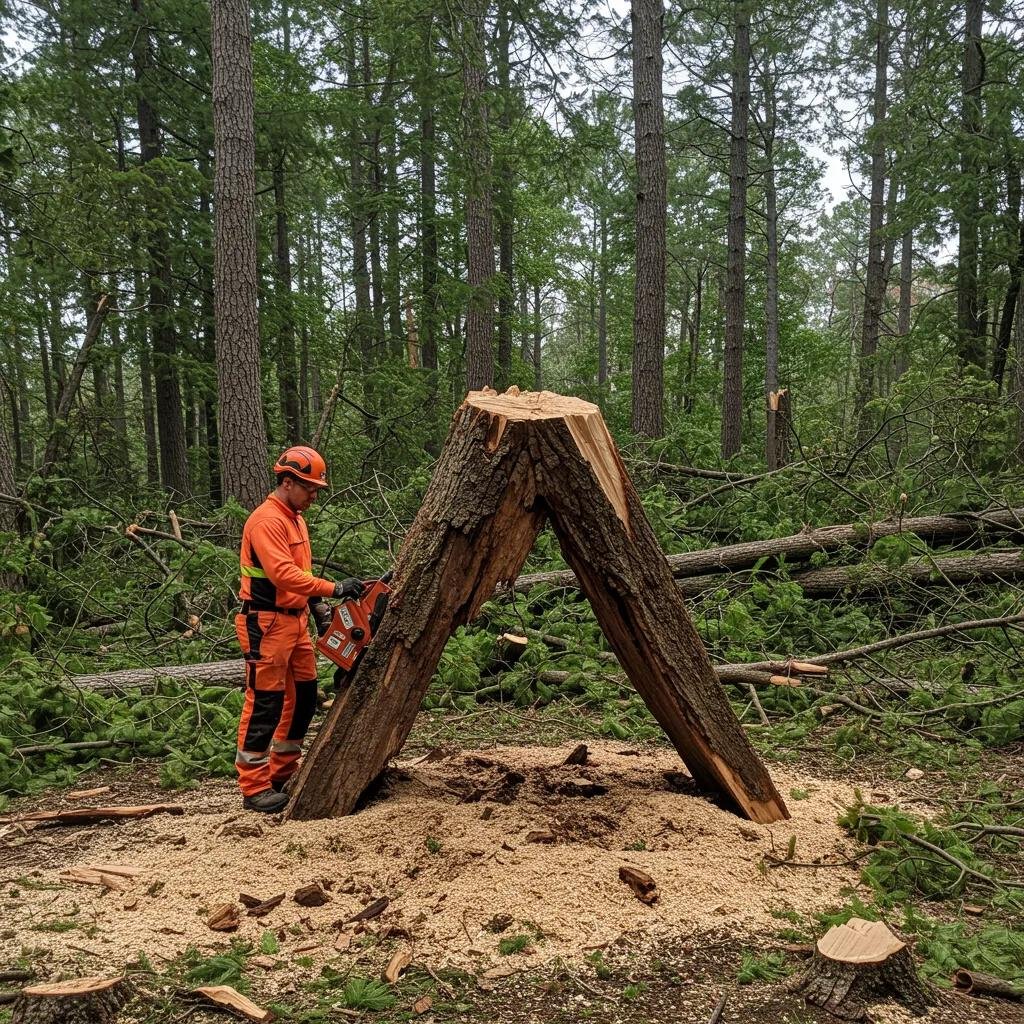
Emergency stump removal is necessary when a stump or root system poses immediate danger to people, obstructs emergency access, or compromises structures and utilities after storm damage. Recognizing urgent scenarios and knowing the initial homeowner actions—securing the area, keeping people and pets away, and contacting an emergency responder—can prevent injuries and secondary damage. Below is a checklist of emergency situations and a summary of how emergency response is triaged to prioritize safety first and schedule permanent removal afterward.
Initial checklist for emergency stump hazards:
- Leaning or uprooted stump threatening structures: Secure the perimeter and keep clear.
- Stump blocking driveway or access: Prevent vehicle movement and contact emergency responders.
- Stump interfering with utilities or downed lines: Do not approach; notify professionals for utility triage.
After securing the area, the homeowner should expect a triage visit to assess immediate dangers, which leads to either on-scene stabilization or scheduling a full removal. The triage step ensures safety measures are in place before heavier work begins, which the next subsection explains in terms of response timing.
What types of storm or hazard situations require immediate stump grinding?
Storm events that uproot or severely lean stumps, stumps that block driveways or sidewalks, or those threatening overhead utilities constitute immediate hazards requiring rapid attention. In these cases, the priority is public safety: crews focus on stabilizing or securing the stump to prevent collapse or further movement that could injure people or damage property. Homeowners should avoid DIY intervention in such scenarios because moving large root masses or using chains can be dangerous without proper equipment and training. Recognizing these high-risk conditions and seeking professional emergency service keeps the household safe while crews develop a remediation plan.
How quickly can Volusia Bobcat respond to emergency stump removal calls?
Volusia Bobcat and Tree Service LLC offers 24 HR emergency service to prioritize urgent stump hazards and provide rapid triage, which separates immediate stabilization from scheduled full removal. Emergency response typically begins with a safety assessment and temporary mitigation so the site is secure, followed by scheduling a complete grinding or extraction when crews and equipment can safely access the area. This approach balances prompt hazard control with thorough, safe execution of the permanent solution. Knowing this triage and scheduling workflow helps homeowners plan for both short-term safety and long-term restoration.
Frequently Asked Questions
What should I do if I notice a leaning stump after a storm?
If you notice a leaning stump after a storm, it’s crucial to prioritize safety. Secure the area by keeping people and pets away, as the stump may pose a risk of falling or causing injury. Contact a professional stump removal service immediately to assess the situation. They can provide emergency stabilization and determine if full removal is necessary. Avoid attempting to move or stabilize the stump yourself, as this can be dangerous without the right equipment and expertise.
How can I prepare my yard for stump grinding?
Preparing your yard for stump grinding involves a few key steps. First, clear the area around the stump of any obstacles, such as furniture, decorations, or plants, to ensure easy access for the equipment. Next, mark any underground utilities to prevent damage during the grinding process. Finally, communicate any specific preferences regarding debris handling with your service provider, such as whether you want the wood chips left on-site or removed. Proper preparation helps ensure a smooth and efficient grinding process.
What happens to the roots after stump grinding?
After stump grinding, the visible portion of the stump is reduced to wood chips, but the roots typically remain in the ground. This can lead to potential regrowth in some tree species, as the root system may still be alive. If complete root removal is necessary, homeowners should consider full stump removal instead of grinding. However, grinding is often sufficient for most landscaping needs, especially if the area will be replanted or used for other purposes. Discuss your long-term plans with your service provider to determine the best approach.
Can I plant new trees or shrubs after stump grinding?
Yes, you can plant new trees or shrubs after stump grinding, but it’s essential to wait for the area to settle. After grinding, the ground may be uneven and filled with wood chips, which can affect planting. It’s advisable to backfill the cavity with soil and allow it to compact before planting. Additionally, consider the type of tree or shrub you want to plant, as some species may be more compatible with the remaining root system. Consulting with a landscaping professional can help ensure successful planting.
How do I choose between stump grinding and full stump removal?
Choosing between stump grinding and full stump removal depends on your specific needs and future plans for the area. Stump grinding is less invasive, quicker, and generally more cost-effective, making it suitable for restoring lawn space or preparing for new landscaping. Full stump removal, however, is ideal if you need to eliminate the entire root system to prevent regrowth or if you plan to build in that area. Assess your long-term goals and consult with a professional to make the best decision for your property.
What should I expect during the stump grinding process?
During the stump grinding process, you can expect a few key steps. First, the crew will conduct a site assessment to determine the best approach and equipment needed. They will then use a stump grinder to chip away at the stump, gradually lowering it below ground level. After grinding, the crew will clean up the area, either leaving the wood chips on-site for mulch or hauling them away, depending on your preference. The entire process is typically quick, with minimal disruption to your yard.
How much does stump grinding cost in Port Orange?
Stump grinding costs vary widely because each job is unique; factors such as stump diameter, root complexity, accessibility, soil conditions, and debris handling determine labor and equipment needs. Rather than relying on blanket numbers, homeowners are best served by a free, on-site estimate that itemizes grinding, chip handling, hauling, and any permit-related steps. Requesting an itemized quote clarifies which elements drive cost and allows homeowners to compare options like keeping chips versus full hauling. A clear estimate provides the precise pricing information needed to plan a budget for the project.
Do I need a permit for stump removal or tree removal in Port Orange?
Permit requirements vary by municipality and by the scope of the project—removing a protected tree or multiple large trees often triggers permitting, while single stump grinding for routine landscape work may not. Homeowners should consult local authorities or include permit review in the free estimate process so the provider can advise whether formal approvals are needed. When permits are required, the estimator can explain the likely documentation and timing so the project proceeds legally and without delay. Verifying permit needs early avoids potential fines and ensures compliance with local regulations.
Is DIY stump removal safe or recommended?
DIY stump removal is sometimes feasible for very small stumps using rented equipment or manual methods, but it carries significant risks including equipment injury, hidden utility strikes, and incomplete root removal leading to future problems. For medium or large stumps, professional crews provide safer, more efficient service with specialized grinders, safety protocols, and debris handling that minimize risk to people and property. When safety, time, and final site quality matter, hiring a professional is typically the recommended route. Understanding the hazards of DIY methods helps homeowners choose the safest, most cost-effective approach.
How do I schedule a free estimate with Volusia Bobcat and Tree Service?
Scheduling a free estimate involves preparing basic information about the property, the number and size of stumps, and any access constraints so the estimator can plan the site visit effectively. Volusia Bobcat and Tree Service LLC offers free on-site or virtual estimate options and will assess stump diameter, root complexity, access, and cleanup preferences to produce an itemized quote. During the estimate, homeowners should point out any utility lines, gates, or sensitive landscaping so the crew can account for these factors in the proposal. This scheduling step leads directly to a clear plan and transparent pricing, enabling homeowners to approve work with confidence.