Uncovering Port Orange Tree Trimming Costs: A Comprehensive Guide
Tree trimming involves targeted pruning, canopy thinning, deadwood removal, and crown cleaning to enhance tree health, safety, and appearance. Costs vary widely based on factors like size, species, and access. This guide explains why prices for tree trimming in Port Orange and Volusia County differ from national averages and helps homeowners estimate realistic budgets for common jobs. You’ll learn average local price ranges, primary cost drivers, additional fees, and practical steps to obtain accurate on-site quotes. The article also compares professional vs. DIY decision trade-offs and offers checklists for comparing quotes from local providers. By the end, readers will be able to interpret estimates for oak, palm, and other common species, anticipate permit or emergency surcharges, and request a clear written scope when hiring a contractor.
What Is the Average Cost of Tree Trimming in Port Orange?
Tree trimming prices in Port Orange typically range from modest amounts for small ornamental trees to several hundred dollars or more for large specimens, with the most common local range falling into a mid-level band for residential jobs. Local factors such as coastal species prevalence, seasonal storm demand, and municipal permit rules influence where any single job will fall within a range. Below we present an immediate, scannable breakdown by tree size to help homeowners form a budget baseline and prepare informed questions for contractors. These ranges are starting points; final quotes depend on detailed on-site inspection, which is discussed later.
What Are Typical Price Ranges for Small, Medium, and Large Trees?
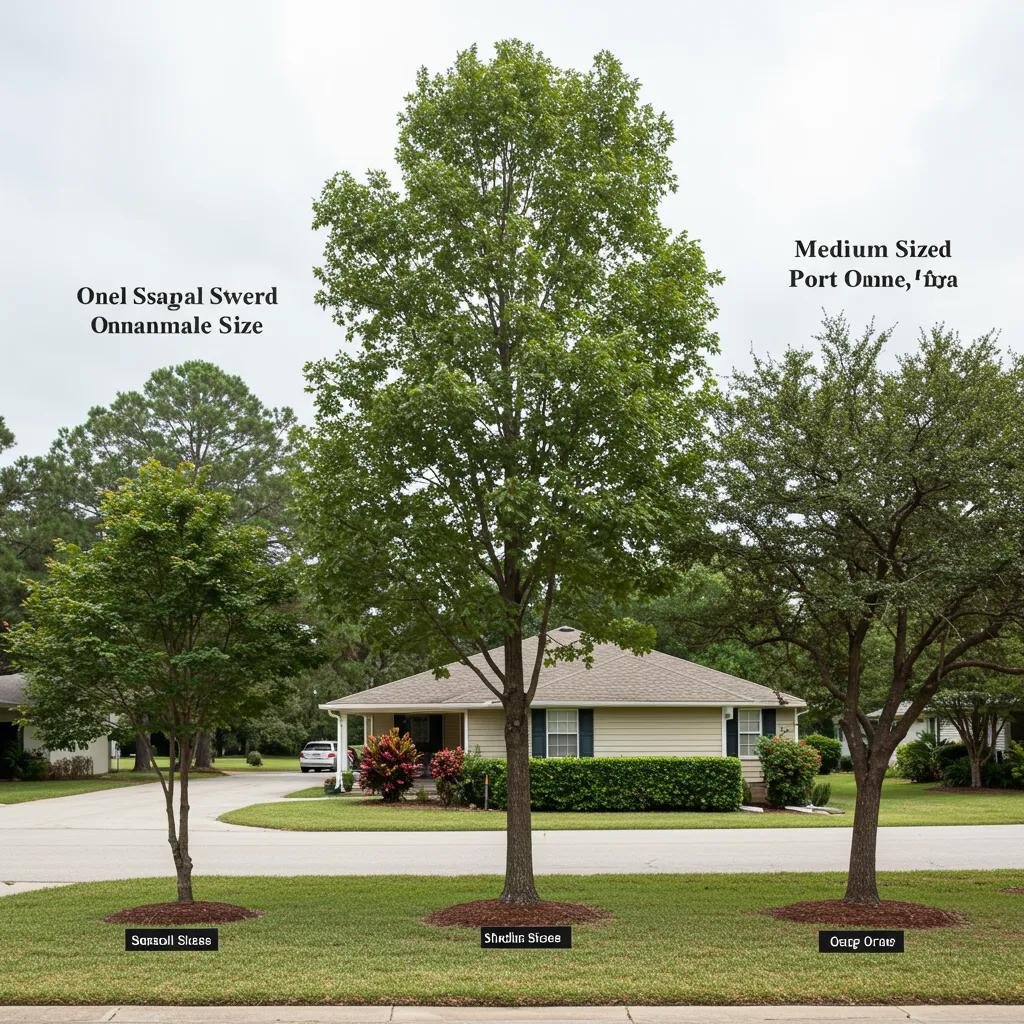
Small, medium, and large size categories provide a simple framework for estimating trimming costs by height and trunk diameter, which professionals use to scale labor and equipment required. Small trees under 15 ft typically require hand pruning only and cost less, while medium trees from 15–40 ft often need a crew with climbing equipment, and large trees above about 40 ft may require aerial lifts and additional crew time. Use these bands to anticipate labor hours, safety measures, and waste removal needs when comparing quotes.
| Tree Size | Typical Height or Diameter | Typical Cost Range |
|---|---|---|
| Small | Under 15 ft height / DBH < 8 in | $75 – $200 |
| Medium | 15–40 ft height / DBH 8–20 in | $200 – $600 |
| Large | Over 40 ft height / DBH > 20 in | $600 – $1,500+ |
These banded ranges give homeowners a practical starting point for budgeting; the next section explains how local variables shift a job up or down from these estimates.
How Do Local Factors Influence Tree Trimming Prices in Volusia County?
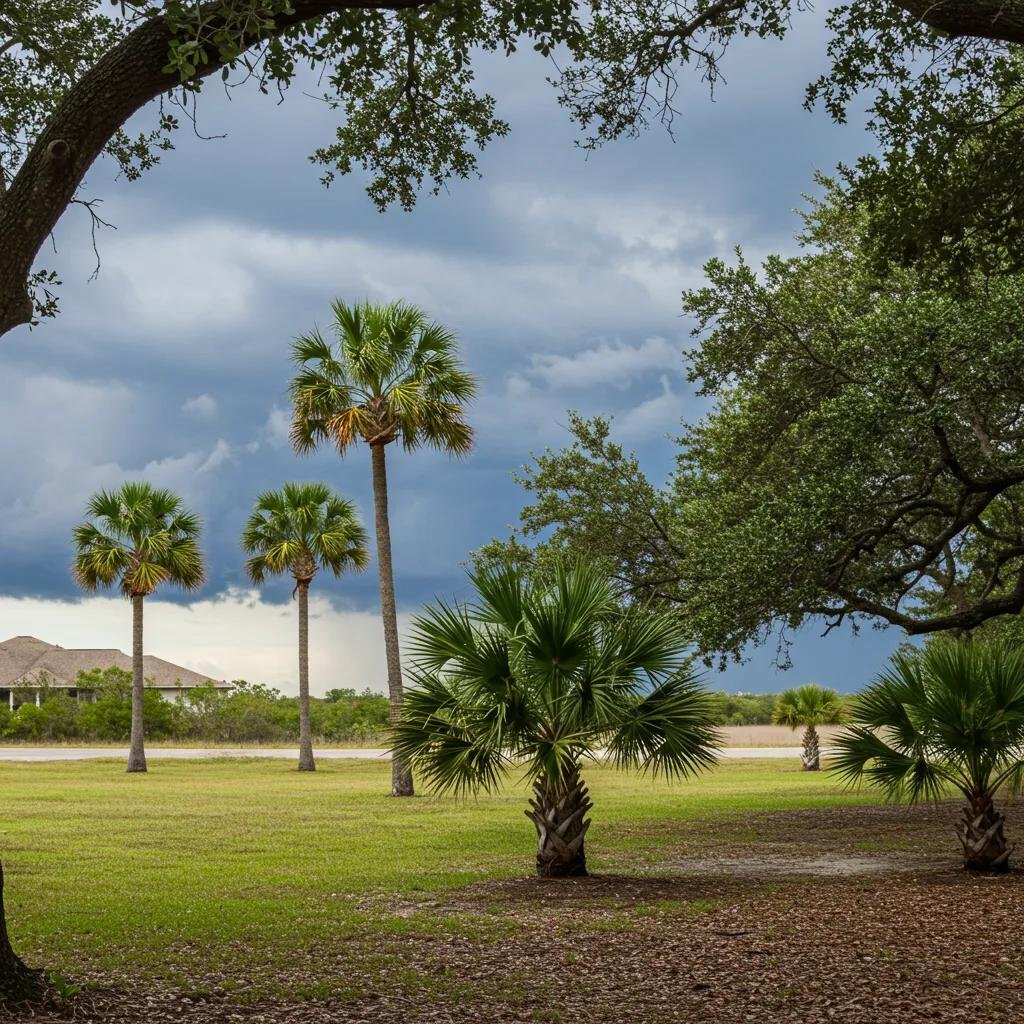
Local market dynamics in Port Orange and broader Volusia County—such as higher coastal storm frequency, local labor rates, disposal costs, and municipal permit requirements—tend to push some jobs above national averages. Species common to the area, like palms and live oaks, have specific handling needs that affect labor and waste disposal practices. Seasonal demand after tropical storms or during peak pruning months can increase wait times and labor surcharges, which in turn raise final quotes. Understanding these local influences helps homeowners interpret why two similar-looking jobs can receive different bids.
The costs associated with maintaining trees, and the consequences of neglecting them, are significant considerations for urban forestry management. These costs can encompass everything from routine pruning to emergency removals, and the impact of not performing these tasks can lead to increased risks and expenses down the line.
The Costs of Maintaining and Not Maintaining the Urban Forest: A Review
ABSTRACT: AbstractListenExisting urban forest literature is strongest in its quantification and qualification of the benefits and care of trees, and not in its ability to assess the results of lack of investment in trees. This paper presents the results of a literature review on the “Costs of Not Maintaining Trees” commissioned by the ISA Science and Research Committee. The authors summarized the literature from within the field of arboriculture/urban forestry to answer the questions: What are the costs of maintaining trees and the urban forest? And, What are the costs of not maintaining trees? Present here is a detailed summary of the literature on the costs of maintenance and lack of maintenance for types of tree care commonly included in municipal budgets (planting, pruning, removal, pest and disease management) and a brief review of costs associated with less-studied types of tree care (including tree risk management; watering; mulching; fertilizing and nutrient management; staking, cabling,
The costs of maintaining and not maintaining the urban forest: A review of the urban forestry and arboriculture literature, J Vogt, 2002
How Does Professional Tree Trimming Compare to DIY Costs?
DIY trimming can seem cheaper upfront, but realistic DIY budgeting must include equipment purchase or rental, safety gear, disposal arrangements, and time—often making a one-off DIY project approach costly relative to professional crews. Professionals amortize the cost of aerial lifts, chipper trucks, and harness systems across jobs, and they carry liability insurance that protects homeowners from injury or property damage claims. In many cases, hiring certified professionals reduces the risk of improper pruning that can harm tree health and lead to more expensive corrective work later. Comparing the full DIY cost package with a written professional quote is essential before deciding.
Which Key Factors Influence Tree Trimming Prices?
Several core factors determine the final price on a tree trimming quote: measurable tree size, species-specific handling, site accessibility, tree condition, and the defined scope of work. Each of these elements changes labor time, equipment needs, and risk, which are the primary inputs contractors use to calculate a bid. Below we break those factors into a compact, scannable table and follow with short examples that show how small changes produce substantial price differences. Recognizing these drivers helps homeowners ask targeted questions and plan for cost-saving options.
How Does Tree Size and Height Affect Your Tree Trimming Quote?
Tree size and height correlate directly with labor hours, equipment type, and crew size required to complete a safe trim, so taller and wider trees cost more to service. Professionals measure height and trunk diameter to estimate climbing time, rigging needs, and whether lifts or cranes are necessary, each adding hourly rates and logistical complexity. Larger crowns produce more debris that requires chipping or hauling, increasing disposal fees and on-site time. Understanding these measurement practices lets homeowners provide accurate initial information when requesting an estimate and anticipate which jobs will be pricier.
What Are the Cost Differences by Tree Species Like Oak, Palm, and Maple?
Species matters because wood density, branch structure, and disease risks dictate pruning techniques and disposal practices; for example, dense live oak limbs require more force and time to cut and digest, while palms need specialized pruning and safe removal of fronds and boots. Some species also present pest or disease concerns that require careful handling, containment, and sometimes separate disposal, all of which increase cost. Local frequency of species in Port Orange affects contractor experience and efficiency, sometimes reducing cost for common species but increasing it for rare or hazardous specimens.
How Does Tree Accessibility and Location Impact Tree Service Pricing?
Access conditions—front-yard vs backyard, proximity to houses or power lines, and tight gates or slopes—force crews to use additional labor, smaller rigs, or longer manual carry-out processes, each of which raises costs. Jobs near structures or utilities require extra rigging and safety protocols that slow work and increase liability considerations for contractors. Difficult access can change pricing models from per-tree flat rates to time-and-materials billing or include specific access surcharges. Anticipating access challenges and describing them upfront helps contractors prepare accurate bids.
How Does Tree Condition Affect Tree Trimming Costs?
A healthy, well-structured tree usually needs routine pruning and costs less than trees with disease, deadwood, or storm damage that require extra stabilization, removal of hazardous limbs, or specialized disposal. Diseased or pest-infested material may require containment or separate hauling to comply with local disposal rules, and storm-damaged trees often require emergency stabilization or staged removal that increases labor and urgency fees. Condition assessments directly influence risk management decisions by crews, which then affect insurance considerations and final pricing.
What Scope of Work Options Affect Pricing: Basic Trim, Canopy Reduction, Deadwood Removal?
Different scopes of work define the time, technique, and crew composition required: a basic trim focuses on selective pruning and shaping; canopy reduction reduces overall height and spread; and deadwood removal targets safety by eliminating hazardous material, often requiring extensive cleanup. Each scope corresponds to different hourly or flat-rate pricing and can be combined into bundled service packages to reduce mobilization costs. Clear scope definitions in written quotes reduce misunderstandings and hidden fees by specifying which activities and cleanup tasks are included.
Common scope options that homeowners should explicitly request in an estimate:
- Basic Trim: Selective branch removal for shape and clearance.
- Canopy Reduction: Reducing height/spread to protect structures.
- Deadwood Removal: Removing non-living branches to reduce hazard.
These defined scopes let homeowners compare apples-to-apples across bids and negotiate bundled pricing when multiple services are needed.
What Additional Costs Should Property Owners Expect for Tree Trimming?
Beyond base trimming fees, homeowners should plan for potential surcharges such as debris removal and hauling, emergency response rates, and permit fees for protected trees or major canopy changes. These extras arise from disposal logistics, after-hours work, and municipal requirements that add direct costs and sometimes administrative time. Below is a table that clarifies typical additional services, when they are charged, and real-world example scenarios that show how they materialize in a local Port Orange context. Recognizing these add-ons prevents surprises when a final invoice arrives.
How Much Does Debris Removal and Hauling Add to Tree Trimming Costs?
Debris removal is commonly billed per truckload, by volume (cubic yards), or as a flat hauling fee, and costs vary with the amount of material and whether the crew chips on-site or hauls debris away. Chipping on-site and leaving mulch for homeowner reuse usually reduces hauling fees, while full removal to a landfill increases total expense. Contractors may offer bundled pricing that includes cleanup for a single fee, which can be more economical than separate line-item charges. Homeowners should ask bidders to present both chip-on-site and haul-away options to decide which fits budget and site preferences.
| Additional Service | Typical Fee Range / When Charged | Example Scenario |
|---|---|---|
| Chip and Spread | $0 – $75 extra (often included) | Small trimmings converted to mulch left in yard |
| Haul Away (truckload) | $75 – $300 per truckload | Large oak limb removal requiring trailer disposal |
| Per Cubic Yard | $15 – $50 / yd³ | Multiple palms and branches after storm cleanup |
Choosing chip-on-site when appropriate often saves money and returns useful mulch for landscaping, but homeowners must balance saving with preferences for full removal.
What Are Emergency Tree Trimming Service Surcharges in Port Orange?
Emergency or after-hours tree work—such as removing limbs that block roads or threaten structures after storms—typically carries surcharges expressed as a percentage of normal rates or as flat emergency fees to cover expedited mobilization and overtime labor. Emergency responses prioritize safety and rapid hazard reduction, but they can cost notably more than scheduled maintenance because crews work under higher risk and may need specialized equipment on short notice. Homeowners should distinguish between true emergencies and urgent-but-schedulable jobs to avoid unnecessary premium charges.
Are There Permit Requirements and Fees for Tree Trimming in Port Orange?
Major canopy alterations, removal of protected specimen trees, or work affecting street trees may trigger permit requirements and municipal review in Port Orange and Volusia County, and permit fees or mitigation requirements can add to project time and cost. Homeowners should verify whether proposed work affects protected species or significant canopy and request that contractors include permit handling costs and timelines in written estimates. Factoring in permit lead time prevents scheduling surprises and ensures compliance with local ordinances.
How Can You Get an Accurate Tree Trimming Estimate from Volusia Bobcat & Tree Service?
An accurate estimate requires an on-site assessment that evaluates tree size, species, condition, proximity to hazards, and access constraints; a professional estimator documents measurements, photos, and recommended scope to produce a written quote. Volusia Bobcat & Tree Service LLC offers free on-site estimates and provides comprehensive assessments that reflect local conditions, which helps homeowners avoid guesswork when budgeting. Preparing a short checklist for the estimator and requesting an itemized quote improves transparency and helps compare competing bids. After the estimator documents site conditions, homeowners should use the written scope to confirm exclusions and scheduling before work begins.
Why Is a Free On-Site Estimate Important for Tree Trimming Pricing?
A free on-site estimate captures concrete details—actual tree height and crown spread, trunk diameter, access points, and nearby utilities—that remote descriptions miss; these details materially affect equipment, crew size, and time required. On-site evaluations allow contractors to assess hidden hazards such as rot or internal decay that increase complexity and cost, and they enable the estimator to propose the correct scope of pruning or stabilization. Relying on a professional in-person inspection reduces the likelihood of surprise change orders and provides a defensible basis for the final price. Insisting on a written, itemized estimate from the outset preserves clarity.
What Questions Should You Ask Your Tree Service Provider About Pricing?
Asking targeted questions uncovers true costs and contractor practices: confirm whether the quote includes disposal, stump grinding, permit handling, liability insurance, and required safety equipment; ask for payment terms and warranty or follow-up policies. Requesting references and proof of insurance gives insight into reliability and risk coverage, while clarifying whether bids are per-tree, per-hour, or lump-sum avoids misunderstandings. Verifying crew qualifications and expected timeline ensures the written scope aligns with homeowner expectations. These inquiries reveal value beyond the headline price.
Essential pricing and safety questions to ask:
- Does the quote include debris hauling and disposal?
- Will you obtain permits or advise if one is needed?
- What insurance and warranties cover this work?
Use responses to normalize quotes from different companies and make an apples-to-apples cost comparison.
How Do You Compare Tree Trimming Quotes Effectively?
Normalize quotes by aligning scope, included services, and disposal method so price differences reflect real value rather than hidden exclusions; create a simple comparison checklist that lists scope, equipment, insurance, timeline, disposal, and permit handling. Check for written guarantees and schedule flexibility, and weigh references or local reputation when prices cluster closely. When comparing, ask bidders to revise quotes to match a preferred scope and consider bundling additional services like stump grinding to capture savings. A clear comparison table reduces decision uncertainty and helps prioritize safety and compliance over purely lowest cost.
| Comparison Area | What to Verify | Why It Matters |
|---|---|---|
| Scope Definition | Specific pruning actions included | Avoids surprise change orders |
| Equipment | Lift, rigging, chipper listed | Confirms ability to handle job safely |
| Disposal | Chip on site vs haul away | Affects final invoice and yard impact |
These comparison steps close the gap between raw price and actual value while ensuring jobs are done safely and in compliance with local rules.
What Are the Benefits of Professional Tree Trimming Services?
Professional tree trimming delivers measurable benefits: it enhances curb appeal and property value, reduces liability by removing hazardous limbs, and promotes long-term tree health through proper arboricultural practices. Experienced crews apply pruning techniques timed for species-specific biology, which prevents disease and encourages structurally sound growth patterns. In Port Orange’s coastal climate, routine professional maintenance also reduces storm-related damage risk by managing canopy density and structural defects. Below are specific benefits homeowners can expect when hiring trained tree care professionals.
- Improved Aesthetics and Curb Appeal: Proper pruning shapes trees to enhance landscape appearance and property marketability.
- Increased Safety: Removing deadwood and structurally compromised limbs reduces risk of property damage and personal injury.
- Enhanced Tree Health: Correct cuts and seasonal timing support disease resistance and long-term vitality.
After understanding these benefits, homeowners can weigh the value of professional maintenance against short-term cost savings of DIY approaches.
How Does Professional Trimming Enhance Property Value and Aesthetics?
Well-maintained trees improve curb appeal by providing balanced form, healthy foliage, and appropriate clearance from structures, which can influence buyer perception and potentially affect resale value. Strategic pruning highlights specimen trees while controlling shading and root impacts on lawns and hardscapes. For sellers or owners preparing landscape upgrades, professional trimming presents a visual return on investment by creating a managed, healthy landscape that supports marketability. The visual benefits also translate into tangible maintenance savings over the long term by preventing decline and costly removals.
How Does Expert Tree Care Promote Tree Health and Safety?
Arboricultural best practices—such as timely deadwooding, selective thinning to reduce wind sail, and proper pruning cuts—limit disease entry points and structural failures that lead to hazardous breakage. Professionals identify and mitigate early signs of decay, pest infestation, or structural weakness and recommend targeted interventions that extend tree longevity. Proper maintenance reduces emergency interventions and lowers long-term replacement costs, while safety-focused techniques protect people and property during the work. Effective tree health management therefore balances immediate hazard reduction with long-term ecological stability.
Why Choose Volusia Bobcat & Tree Service for Safe and Affordable Tree Trimming?
Volusia Bobcat & Tree Service LLC (operating as a local tree service brand in Port Orange and Volusia County) offers comprehensive tree care services including tree trimming, tree removal, stump grinding, and 24/7 emergency response, and they provide free on-site estimates to help homeowners plan work accurately. Their service area includes Port Orange, Ormond Beach, New Smyrna Beach, and Daytona Beach, which positions them to apply local knowledge about species, storm season patterns, and municipal permitting. Homeowners seeking straightforward quotes should request a free on-site estimate and an itemized written proposal that lists scope, disposal method, and any permit handling—this approach streamlines hiring and reduces surprises.
Frequently Asked Questions
What Should I Look for When Hiring a Tree Trimming Service?
When hiring a tree trimming service, consider their experience, qualifications, and insurance coverage. Ask for references and check online reviews to gauge their reputation. Ensure they provide a detailed written estimate that outlines the scope of work, including any additional services like debris removal or permit handling. It’s also important to confirm that they follow safety protocols and have the necessary equipment for your specific tree type and location. A reliable service will be transparent about their processes and pricing.
How Often Should I Trim My Trees?
The frequency of tree trimming depends on the species, age, and health of the tree, as well as its location. Generally, most trees benefit from trimming every 3 to 5 years to maintain their health and appearance. However, fast-growing species may require more frequent attention, while slower-growing trees can go longer between trims. Regular inspections can help identify any issues early, such as deadwood or disease, which may necessitate more immediate trimming. Consulting with a professional arborist can provide tailored recommendations.
What Are the Risks of Not Trimming Trees Regularly?
Neglecting regular tree trimming can lead to several risks, including increased susceptibility to disease, structural weaknesses, and safety hazards. Overgrown trees may develop weak branches that can break and cause property damage or injury. Additionally, failing to remove deadwood can attract pests and diseases that compromise the tree’s health. Regular trimming promotes healthy growth, enhances aesthetics, and reduces the risk of storm damage, ultimately saving homeowners from costly emergency removals or repairs in the future.
Can Tree Trimming Be Done Year-Round?
While tree trimming can technically be performed year-round, the best timing often depends on the tree species and local climate conditions. Late winter to early spring is generally ideal for most deciduous trees, as it allows for healthy growth in the spring. However, some species, like certain flowering trees, may require trimming immediately after blooming. In Port Orange, it’s also important to consider seasonal weather patterns, as trimming during storm season may increase risks. Consulting with a local arborist can help determine the best timing for your trees.
What Should I Do If My Tree Is Damaged After a Storm?
If your tree is damaged after a storm, assess the situation carefully. Look for broken branches, leaning trunks, or signs of disease. If the damage is severe or poses a safety risk, contact a professional tree service immediately for an evaluation. They can determine whether the tree can be saved or if removal is necessary. Avoid attempting to trim or remove large branches yourself, as this can be dangerous. Documenting the damage may also be helpful for insurance claims if applicable.
Are There Any Environmental Benefits to Regular Tree Trimming?
Yes, regular tree trimming offers several environmental benefits. Properly maintained trees improve air quality by filtering pollutants and producing oxygen. Trimming helps promote healthy growth, which can enhance a tree’s ability to sequester carbon. Additionally, well-maintained trees are less likely to suffer from disease, reducing the need for chemical treatments that can harm the environment. By managing tree health and structure, homeowners contribute to a healthier urban ecosystem, supporting wildlife habitats and enhancing overall biodiversity in their area.
How Much Does It Cost to Trim a Large Oak Tree in Port Orange?
Trimming a large live oak in Port Orange typically ranges from $600 to $1,500 or more depending on height, canopy density, and proximity to structures or utilities, with complexity and risk being the primary price drivers. If the oak requires canopy reduction, rigging around buildings, or extensive hauling, expect the higher end of the range; simple crown cleaning and selective pruning fall toward the lower end. Contractors assess trunk DBH, crown spread, and access to produce a final price.
Is Tree Trimming Expensive Compared to Other Tree Services?
Tree trimming is usually less expensive than full tree removal but more expensive than simple lawn services because it requires specialized climbing, rigging, and pruning expertise; removal costs can exceed trimming when the entire tree and stump must be extracted. While trimming is an investment in tree health and safety, removal is often more costly due to added equipment, disposal, and stump grinding. Choosing trimming over removal is cost-effective when the tree can be preserved through professional care.
What Factors Make Tree Trimming More Expensive?
Top cost-increasing factors include larger tree size, difficult access, hazardous conditions (deadwood or disease), proximity to structures or utilities, and additional services like hauling or emergency response. These factors increase labor time, require specialized equipment, or necessitate safety protocols that raise final bids. Mitigation strategies include bundling services, scheduling outside peak storm seasons, and providing clear access instructions to the estimator.
Can I Save Money by Combining Tree Trimming with Stump Grinding or Removal?
Combining services often reduces mobilization and disposal duplication, producing tangible savings compared with scheduling separate visits; contractors commonly offer package pricing that lowers the aggregated cost. Bundling also streamlines scheduling and permits the use of the same equipment and crew, which cuts labor hours and transport expenses. Homeowners should request a bundled written quote to see actual savings and ensure all services are itemized.
How Does Tree Trimming Pricing in Port Orange Compare to Other Areas in Florida?
Pricing in Port Orange reflects local labor markets, coastal species, and storm exposure, which can make some services more expensive than rural inland areas but competitive with other coastal urban centers. Transport distances, municipal fee structures, and regional demand patterns create measurable differences across Florida; urban settings with tighter access and more stringent permitting generally cost more. Homeowners can apply national averages as a baseline but should expect local adjustments tied to these specific regional dynamics.
What Are Typical Price Differences Between Urban and Rural Tree Trimming Services?
Urban areas often charge higher rates due to increased permit requirements, tighter access that requires specialized equipment, and higher labor and disposal costs, while rural services may offer lower rates thanks to easier access and lower disposal fees. Traffic, parking restrictions, and need for traffic control in denser neighborhoods add time and complexity that shows up on invoices. Comparing urban and rural bids requires normalizing for access and regulatory needs to ensure fair comparison.
How Do Local Regulations Affect Tree Service Pricing Across Volusia County?
Municipal regulations that protect specimen trees or require permits for major canopy changes add administrative work, permit fees, and sometimes mitigation requirements that lengthen timelines and increase costs. Different jurisdictions within Volusia County may have varying triggers for permits and disparate fee schedules, so homeowners should confirm local rules early and ask contractors to include permit handling costs in estimates. Budgeting for potential regulatory steps reduces the chance of mid-project surprises and ensures compliance.