Urban Tree Trends: Greener Practices & Climate Smarts for Your Property
Urban forestry is all about thoughtfully managing trees in our towns and cities to boost nature’s benefits, support our green infrastructure, and make our communities tougher against challenges.
This guide dives into the latest in urban forestry, showing property owners how smart, sustainable methods, picking the right trees, and using new tech can make your neighborhood trees healthier and help your area adapt to climate changes.
Many homeowners right here in Port Orange and Volusia County are feeling the heat from hotter summers, dealing with storm damage, and battling invasive pests. A smart approach to your trees can cut down risks, protect your property’s value, and strengthen our local green spaces.
What follows breaks down top sustainable practices, local climate adaptation strategies, the real benefits of healthy urban trees, how they work with stormwater systems, the tech used for monitoring, ways to get involved, and common hurdles with practical fixes.
You’ll learn exactly what to do—like when to prune, which trees thrive in Florida’s coast, what tools to use, and when to call in the pros—turning big ideas into actions for your own property.
Throughout this article, you’ll see terms like urban forestry, urban canopy, climate-resilient tree species Florida, and stormwater management trees Port Orange, connecting national trends to what’s happening right here in Volusia County.
What's New in Sustainable Urban Tree Care?
Sustainable urban forestry is all about using nature’s solutions, choosing trees that can handle our changing climate, and using smart data to keep our trees healthy and our environment thriving. This approach moves beyond just planting trees to a coordinated plan that links street trees, park trees, and backyard shade trees with our green infrastructure goals. The result? Cooler temperatures and less water runoff. Property owners see real benefits like lower energy bills, better stormwater management, and safer, more beautiful neighborhoods by keeping up with these trends.
Here are the key trends shaping how we care for urban trees today:
- Nature-based solutions are now a key part of urban design, helping manage rain and heat.
- We’re focusing on climate-resilient tree species, especially native coastal varieties and those that can handle dry spells, for trees that last.
- Smart monitoring with inventories and sensors helps us pinpoint where pruning is needed and catch pests early.
- Community involvement and tree equity efforts ensure that everyone, no matter their neighborhood, benefits from more trees.
These trends mean specific actions for you, like planting the right trees, pruning them strategically, and working with neighbors to boost the benefits for everyone.
Trends in Urban Forestry Practices and Sustainability Challenges
Previous studies provided criteria and guidelines both for measuring and increasing the sustainability of urban forests. These studies have also provided evidence that difficulties existed in completing important practices (e.g., inventories, street tree ordinances, management plans), which contribute to both better urban forest programs and sustainability. In a recent study of both small town tree commissions and programs in northeastern Pennsylvania U.S., there was a marked difference between tree commission members’ attitudes toward urban forestry practices and the successful completion of them. Focus groups composed of tree commission members were used to gather information on why these differences existed. Our northeastern Pennsylvania study provided evidence that local tree commissions had difficulties completing urban forestry practices for a number of reasons, including a lack of volunteer time and a need for additional support and assistance. The study also showe
Trends in urban forestry practices, programs, and sustainability: Contrasting a Pennsylvania, US, study, 2003
How Does Smart Tree Care Boost Tree Health?
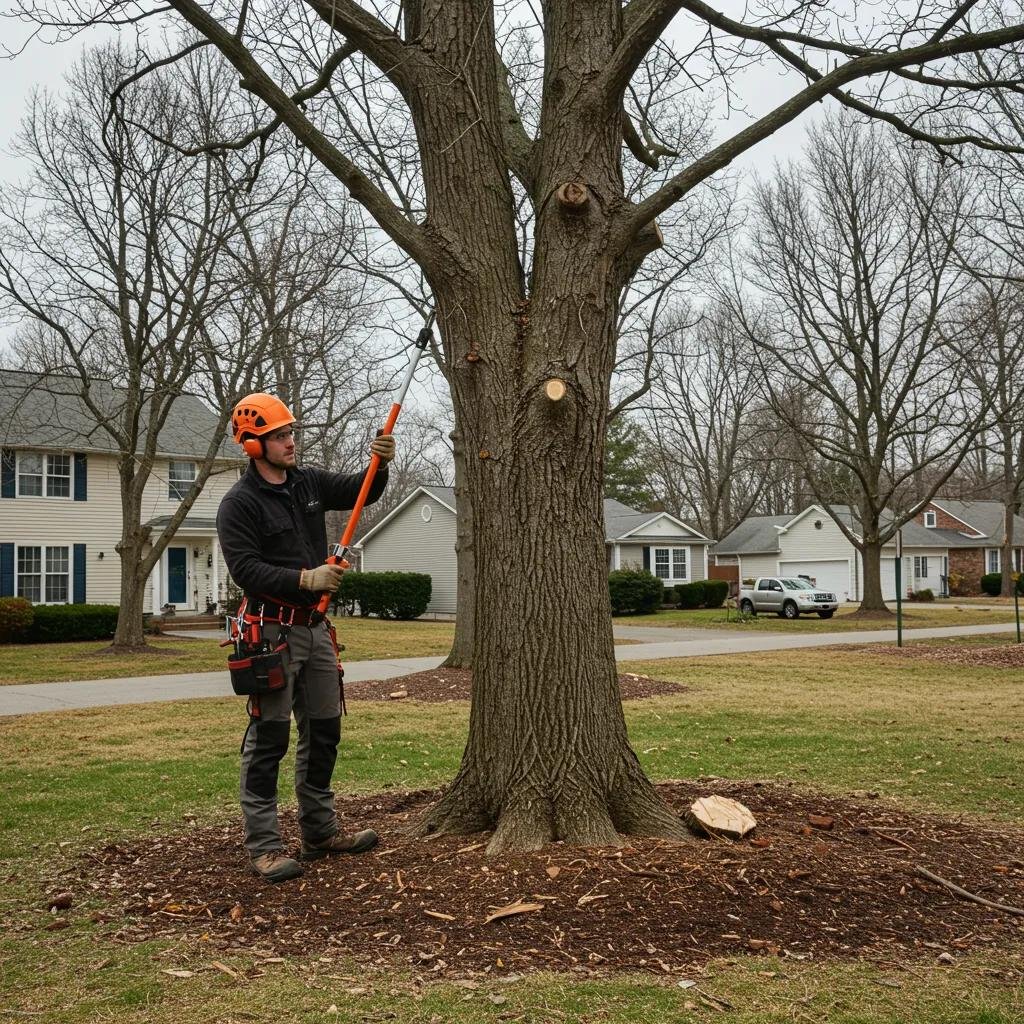
Smart tree care means proper pruning, looking after the soil and roots, and keeping an eye out for pests to help trees live longer and stay stronger. Pruning at the right times for each tree’s growth cycle helps prevent decay and storm damage, while also keeping them structurally sound to avoid falling limbs. Taking care of the soil—preventing compaction, adding organic matter, and protecting the root zone—helps trees absorb water and nutrients, keeping them healthy even during dry spells. Regular checks for pests and diseases allow for quick action, stopping problems from spreading and keeping our neighborhoods green.
What's Volusia Bobcat & Tree Service LLC's Role in Our Urban Forests?
Local pros like us turn sustainable urban forestry ideas into real-world actions by offering expert services like Tree Trimming, Tree Removal, and Stump Grinding to keep our trees healthy and safe. Volusia Bobcat & Tree Service LLC helps Port Orange and Volusia County property owners with convenient after-hours and weekend services, wood recycling, grapple services, and quick emergency response, all complementing your regular tree care. Our services, combined with your own efforts, ensure that pruning and removal are done safely, protecting nearby trees and infrastructure while preserving nature’s benefits. Working with a trusted local arborist makes it easier to follow city rules and get the expert care your trees need to stay healthy.
How Are Nature-Based Solutions Changing Urban Forestry?
Nature-based solutions use trees as key players in rain gardens, bioswales, and along waterways to manage runoff and create habitats, all while cooling down urban areas. These methods work by combining plants, soil, and smart design to slow down, hold, and soak up stormwater right where it falls, easing the load on our drainage systems and reducing flood risks. Homeowners can adopt smaller versions of these ideas—like planting swales, using permeable mulches, and creating shaded pathways—to make a big difference on their block. Putting these solutions into practice means picking the right spots and trees, and often, professional advice helps ensure they work well for years to come with minimal upkeep.
How Is Port Orange's Urban Forestry Adapting to Climate Change?
In Port Orange, urban forestry is adapting by focusing on the right tree species, smart watering plans, and storm-ready maintenance to combat rising temperatures, changing rain patterns, and stronger storms. These strategies involve swapping out trees that can’t handle the conditions for climate-resilient ones, adjusting pruning schedules to make trees less vulnerable to wind, and improving soil to hold more water during droughts. Property owners who follow these practices see less storm damage, enjoy lasting tree benefits, and save money on maintenance in the long run. The table below shows some recommended climate-resilient trees, highlighting their key features and best uses for Port Orange.
| Tree Species | Climate Resilience Trait | Best Use |
|---|---|---|
| Live Oak | Tolerates wind and salt, deep root system | Ideal for street planting and large yards needing shade |
| Southern Magnolia | Drought-tolerant and adaptable to city life | Great as a yard specimen or in park settings |
| Slash Pine | Coastal-friendly and grows quickly | Suitable for park borders and reforestation areas |
This comparison shows the balance between how a tree looks, how well it withstands storms, and how much care it needs, guiding you on where each tree will offer the most benefit over time.
What Are the Climate Change Impacts on Florida's Urban Trees?
Higher temperatures and unpredictable rainfall mean more drought stress, which weakens trees and makes them easier targets for pests and diseases. More intense storms increase the risk of trees falling over or breaking, especially those with weak structures or damaged roots. Salt spray near the coast and occasional flooding can also harm trees not used to salty conditions, changing which species survive best in our neighborhoods. Knowing these impacts helps property owners focus on what matters most—like mulching, structural pruning, and choosing salt-tolerant trees—to keep our urban canopy strong.
Which Climate-Resilient Tree Species Are Best for Port Orange?
Choosing trees that can handle our changing climate means balancing native coastal species with those that can tolerate city conditions like heat, salt, and packed soil. Live Oaks, Southern Magnolias, and Slash Pines are smart picks for Port Orange because they’re strong against wind, can handle dry spells, and are less likely to fail when planted and cared for properly.
Where you plant matters: street trees need room to grow without hitting power lines or buildings, while yard trees can spread out more. Planting them correctly and giving them early care—like proper staking, initial pruning, and protecting their roots—greatly improves their chances of survival and reduces future risks.
How Can Tree Services Help Our Urban Forests Beat Climate Change?
Professional tree services provide expert pruning, hazard removal, and planting advice that directly boosts our urban forests’ ability to withstand climate challenges. Strategic pruning reduces the surface area for strong winds to catch and lessens the weight on limbs, preventing them from breaking in storms. Professional Tree Removal of dangerous trees stops them from causing more damage during storms. Services like Tree Trimming and Stump Grinding help maintain the shape of our trees and clear space for new, climate-smart replacements. Property owners can get resilience assessments from local arborists to create a prioritized maintenance plan that saves money and keeps our neighborhood trees strong.
What Are the Economic and Environmental Perks of Healthy Urban Trees?
Healthy urban trees bring real economic value by boosting property values, saving energy through shade and windbreaks, and cutting down on stormwater management costs by catching rain.
These benefits happen because trees cool things down in the summer, catch rain that would otherwise flood our drains, and make our homes look more appealing to buyers, often leading to higher sale prices.
The table below shows how much these environmental services are worth in terms you can relate to, making the benefits clear for your property decisions.
| Ecosystem Service | Typical Measure | How It Helps You |
|---|---|---|
| Energy Savings | Percentage of cooling costs reduced | Shade from mature trees means less AC use |
| Stormwater Interception | Gallons per year per mature tree | Less runoff and lower risk of local flooding |
| Air Quality | Pollutants removed (estimated for the region) | Healthier local environment and cleaner air |
This table shows how investing in tree care can lead to direct savings and environmental wins, making a strong case for proactive care like targeted pruning and soil health.
How Do Urban Trees Boost Property Value and Cut Energy Bills?
Trees make properties more valuable by improving their look, creating inviting shaded outdoor areas, and signaling a desirable neighborhood, which buyers often appreciate with higher offers. Plus, shade trees placed strategically can significantly lower your home’s cooling costs by shading roofs and walls, often cutting summer energy use by noticeable amounts depending on the tree and its placement. The return on investment for care like regular Tree Trimming often pays for itself when you consider increased marketability and ongoing energy savings. Homeowners can weigh these benefits against costs like occasional Trimming and Stump Grinding to create a smart, cost-effective care plan.
What Environmental Services Do Volusia County's Urban Trees Provide?
Urban trees in Volusia County help clean the air, absorb carbon, provide shade, and manage stormwater, all contributing to healthier, more resilient communities. Shade cools surfaces and reduces the need for air conditioning, while the canopy catches rain, slowing runoff and helping water soak into the ground. Trees also store carbon and filter pollutants from the air, improving public health over time. Simple actions by homeowners—like mulching, choosing the right trees, and regular maintenance—amplify these benefits on their property and support our community’s environmental goals.
How Does Maintaining Our Urban Tree Canopy Support Local Green Infrastructure?
Keeping our urban tree canopy healthy works hand-in-hand with green infrastructure by increasing permeable surfaces, supporting vegetation in rain gardens, and stabilizing soil in areas prone to flooding. A continuous tree canopy helps manage stormwater by catching rain and reducing the amount that flows into city systems, which lowers flood risk and strain on infrastructure. Coordinated tree care—pruning to keep them strong and removing hazardous stumps—ensures trees can keep doing their job without becoming a danger. Property owners who align their tree care with the city’s green infrastructure goals help with larger resilience efforts while keeping our neighborhoods beautiful.
How Do Urban Trees Contribute to Green Infrastructure and Stormwater Management?
Urban trees are vital to green infrastructure, catching rain, helping water soak into the ground, and providing shade that cools surfaces, all of which reduce stormwater and the urban heat island effect. Trees work as living parts of systems like rain gardens, permeable pavements, and bioswales, spreading their water and cooling benefits across the city. For property owners, integrating trees into stormwater solutions means picking the right spots and species to get the most benefit with the least hassle. The list below highlights common green infrastructure elements that use trees to manage water and heat.
Here are common green infrastructure features that include trees:
- Street trees planted in special pits or soils to catch runoff and offer shade.
- Rain gardens and bioswales that use trees and shrubs to slow down and filter stormwater.
- Urban tree corridors connecting parks and yards to boost water absorption and wildlife habitats.
What Green Infrastructure Components Feature Urban Trees?
Green infrastructure elements that rely on trees include networks of street trees, rain gardens with tree elements, bioswales lined with trees, and patches of urban forest in parks and along roadsides that act as natural water management systems. Each part plays a role: street trees catch rain and provide shade, rain gardens help water soak into the ground locally, and bioswales channel and clean runoff while supporting larger root systems. For homeowners, smaller projects like planting groups of trees in rain garden areas can mimic city solutions on private land. Working with local arborists ensures you choose the right trees and soil for each component, maximizing both water management and habitat value.
How Do Trees Reduce Stormwater Runoff and Urban Heat Island Effects?
Trees cut down on stormwater runoff because their leaves and branches catch rain, allowing some to evaporate and the rest to drip slowly to the ground. Their roots also help water soak into the soil more easily by making it more porous. Trees cool the air and surfaces through evaporation from their leaves, which lowers the high temperatures common in urban areas. Together, these effects reduce the amount of water running off and decrease the energy needed for cooling. Understanding these benefits on your property helps you plan plantings that offer the best cooling and water management.
What Are the Best Ways to Integrate Trees into Urban Stormwater Solutions?
The best ways to integrate trees into stormwater solutions involve checking your site to find the best spots for water to soak in, choosing tree species with roots that spread well and can handle dry periods, and improving the soil with organic matter to help it hold water. Planting trees in groups rather than alone increases their ability to catch rain and creates better habitats, while protecting their roots from being compacted keeps the soil absorbent long-term. Regular care—like mulching, structural pruning, and monitoring—ensures they keep managing stormwater and don’t become hazards. For bigger jobs or ongoing care, professional help ensures technical needs like proper soil structure and root space are met.
How Is Advanced Technology Improving Urban Tree Health Monitoring and Care?
Cutting-edge technologies like GIS mapping, LiDAR analysis, IoT sensors, and mobile apps allow for precise tree inventories and health checks, leading to smarter management and proactive care. These tools work together by providing data on tree cover, identifying structural issues through mapped inspections, and using sensors to monitor soil moisture or tree movement, helping us predict potential problems. Property owners benefit when these tools help us focus on trees that need attention most, reducing emergency removals and making maintenance more efficient. The table below shows key technologies and how they help you.
| Technology | What It’s Used For | How It Helps You |
|---|---|---|
| GIS Mapping | Tracking trees and planning canopy coverage | Helps decide where to plant and maintain trees |
| LiDAR | Analyzing canopy height and structure | Spots canopy gaps and trees at risk from storms |
| IoT Sensors | Monitoring soil moisture and tree stress | Alerts you when watering is needed |
Tools and Methods for Monitoring Urban Greenery Health
Urban greenery supports cities in achieving Sustainable Development Goals, but it is increasingly affected by multiple stressors impacting its health. Owing to the high costs of greenery inspection and monitoring, local governments often lack adequate data to effectively manage their urban greenery and prevent damage. In this Review, we present an overview of technology-supported methods and tools to measure the health of urban greenery and discuss the space–time resolution trade-offs associated with the various methods presented. To inform researchers and policymakers in global cities, we highlight how high-resolution urban greenery health data can support in achieving Sustainable Development Goals at scale.
Tools and methods for monitoring the health of the urban greenery, A Gupta, 2024
What Tree Health Monitoring Technologies Are Used in Urban Forestry?
Common monitoring tools include GIS maps for tracking trees and species, LiDAR for detailed analysis of tree structure, remote sensing for health indicators, and IoT sensors for real-time data on soil moisture or tree movement. Mobile apps help standardize field checks and feed data into systems for tracking trends. Together, these tools support informed decisions about pruning, watering, and removals, leading to better results and fewer unnecessary actions. Property owners can ask for specific assessments using these tools to create efficient care plans.
How Does Data-Driven Decision-Making Improve Urban Tree Maintenance?
Data-driven decisions make maintenance smarter by allowing us to predict when pruning is needed before problems arise and to identify trees that pose the biggest risks, ensuring resources are used where they’ll have the most impact. Using data from inventories and sensors helps cities and property owners avoid guesswork and focus on trees that are most hazardous or provide the most benefits. Data also makes maintenance more cost-effective by replacing expensive emergency work with planned actions that are less costly and disruptive. These practices lead to safer urban forests and more reliable tree benefits.
How Can Property Owners Benefit from Advanced Tree Health Solutions?
Property owners gain from advanced solutions through improved safety, potentially lower insurance costs due to less storm damage, and longer-lasting trees that continue to provide shade and value. Services using technology include tree inventories, risk mapping, and sensor-based watering plans that save water while keeping trees healthy. Hiring a professional for a data-informed assessment provides a prioritized action plan that matches your goals for looks, storm resilience, and energy savings. These focused plans lower long-term costs and help you make smart choices about planting and care.
What Role Does Community Involvement Play in Urban Forestry Initiatives?
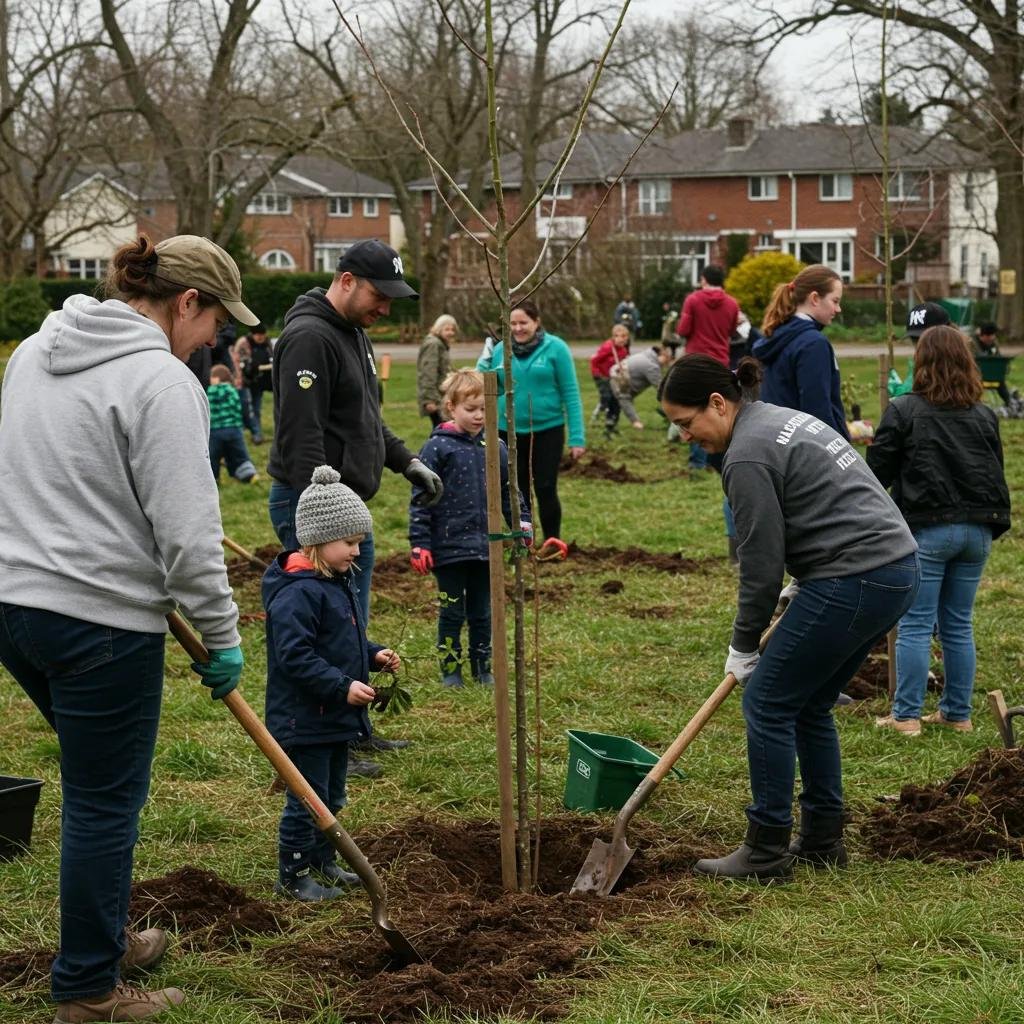
Community involvement is key to organizing care, funding, and expanding our tree canopy fairly, acting as the human element that keeps urban forests thriving. When residents help plant, water, and monitor trees, neighborhoods see higher survival rates for new trees and a more even spread of green cover. Involvement also sparks local sharing of knowledge about what trees grow best, how much water they need, and who’s responsible for care, complementing professional services and city programs. The steps below offer easy ways for homeowners to get involved in local tree efforts.
- Join local tree-planting events to lend a hand and learn the best ways to plant.
- Host a yard planning session or neighbor planting to coordinate tree choices and root space.
- Volunteer for monitoring programs to help track tree health and report any issues.
Urban Tree Canopy Assessment and Restoration for Neighborhoods
This chapter describes the development of an urban tree canopy cover assessment and restoration project designed to inform community stakeholders and to guide tree planting efforts in disadvantaged neighborhoods surrounding the Indianapolis, Indiana central business district. The primary goals of the project were to create estimates of tree canopy cover and distribution within the study region, and to identify neighborhoods in which to focus tree planting efforts. Estimates derived from high resolution satellite imagery and aerial photography indicate approximately 17% of the studying region was covered by tree canopy. A site selection model identified eight residential neighborhoods that exhibited social and environmental characteristics prioritized for tree planting. These neighborhoods contained significantly less tree cover than other residential communities. The results of this study were used to inform a tree planting campaign, the Indianapolis NeighborWoods initiative, with a goal of planting 100,000 trees in the study region.
Identifying urban neighborhoods for tree canopy restoration through community participation, JS Wilson, 2009
How Can Property Owners Get Involved in Local Tree Planting Programs?
Property owners can join in by finding community planting events, volunteering to plant and water young trees, sponsoring trees, or organizing block-level plantings to connect our local canopy. Hosting a yard planning session with neighbors helps identify good spots and encourages shared commitment to care, boosting survival rates for new trees. Working with city programs or local arborists ensures plantings meet guidelines for space and species. These group efforts reduce individual work and multiply the benefits of expanding our neighborhood canopy.
Why Is Community Involvement Essential for Sustainable Urban Forests?
Community involvement ensures ongoing care—watering, mulching, and early maintenance—that professional crews can’t always provide, especially in residential areas where city services might be limited. Local participation promotes fairness in tree distribution by focusing attention and resources on underserved areas that historically have less tree cover. Volunteers and local funds supplement city budgets and provide social support for long-term monitoring and care. By sharing the responsibility, communities build healthier, more resilient urban forests that continue to offer environmental benefits.
What Are Some Great Examples of Community Tree Initiatives?
Successful community projects often combine city support, volunteer help, and local care plans to ensure tree gains last beyond the initial planting. These programs frequently include tree adoption programs, school planting projects, and neighborhood groups that commit to early watering and regular checks. Key strategies involve clearly assigning watering duties, matching trees to their environment, and using professional advice for technical tasks. Applying these elements in Port Orange and Volusia County can increase tree survival and expand our canopy fairly.
What Are the Challenges Facing Urban Forestry and How Are They Handled?
Urban forestry faces hurdles like limited planting space, compacted soil, invasive pests, tight budgets, and storm damage, all of which threaten our tree canopy and the services trees provide. Tackling these challenges requires a mix of smart design—like structural soils and careful species selection—and practical actions such as prioritized maintenance, emergency response readiness, and community funding. Property owners benefit from understanding these limitations and using practices suited to their site to reduce risks and maintenance work. The sections below cover the main challenges, explain emergency response roles, and touch on regulations that affect homeowners.
What Are the Main Challenges in Keeping Urban Trees Healthy?
Key challenges include tight root space in built-up areas, soil compaction that hinders water absorption, pests and diseases that spread quickly without oversight, and limited funds that delay needed upkeep. Each issue raises the risk of trees declining and becoming hazards during storms, especially if structural problems go unnoticed. Homeowners can help by protecting root zones, improving soil with organic matter, scheduling regular checks, and getting routine pruning to fix issues before they become major problems. Proactive care cuts long-term costs and makes our neighborhood trees stronger.
How Does Emergency Tree Service Keep Properties Safe?
Emergency Tree Service keeps properties safe by quickly responding to dangerous tree failures—like storm-damaged limbs or fallen trees—using trained teams to remove hazards and secure the area. Immediate steps usually involve assessing the danger, cordoning off the site to protect people and property, and safely removing the tree or branches to prevent further damage. Volusia Bobcat & Tree Service LLC offers 24/7 emergency services and a commitment to rapid response that property owners can count on for urgent needs, minimizing ongoing risks. Knowing when to call for emergency help and what to expect during a response helps property owners protect their lives, property, and neighboring trees.
How Do Local Regulations Affect Urban Forestry Practices?
Local rules—like tree protection ordinances, permits for removal, and guidelines for trees near roads—shape how planting and maintenance can happen on both private and public land, impacting schedules and what actions are allowed. Understanding when permits are needed and what protections exist for certain trees helps homeowners plan projects to avoid fines or mandatory repairs. Checking with city resources or a professional arborist before major removals or large plantings reduces compliance risks and aligns private work with community tree goals. Good communication with local officials and skilled service providers leads to better results for both property owners and our urban forests.
Got Questions? We've Got Answers!
What are the benefits of community engagement in urban forestry?
Getting the community involved is super important for urban forestry because it builds a sense of ownership and ensures our trees stay healthy for the long haul. When neighbors pitch in for planting, upkeep, and monitoring, new trees tend to survive better, and we get a more even spread of tree cover across our neighborhoods. Engaged communities also share valuable local know-how about which trees do best and how to care for them, which really helps out the pros and city programs. Bottom line: community involvement leads to healthier urban forests that keep giving back to our neighborhoods.
How can property owners assess the health of their urban trees?
Property owners can check on their urban trees by regularly looking for signs of stress, disease, or damage. Keep an eye out for leaves changing color unexpectedly, odd growth patterns, or visible harm to branches or the trunk. Using tools like mobile inspection apps or getting advice from local arborists can make checking your trees even better. Also, paying attention to the soil and how moist it is can tell you a lot about your tree’s health. Catching problems early means you can fix them quickly, helping your trees live long and stay strong.
What role do local regulations play in urban forestry management?
Local rules are a big deal in managing urban forests, setting the guidelines for protecting trees, planting them, and how to care for them. These rules might include specific ordinances for tree protection, requirements for getting permits to remove trees, and guidelines for trees near roads. Knowing these rules helps property owners follow the law and avoid fines or being told to fix things later. Checking with city resources or a professional arborist before starting any big tree projects ensures your actions line up with local laws and what the community wants for its trees, helping keep our urban forests sustainable.
How can homeowners effectively choose tree species for their properties?
Homeowners can pick the best tree species by thinking about the local weather, the type of soil they have, and the specific spot on their property. Choosing trees that can handle our climate and are native or well-suited to the area means they’re more likely to grow well and stay healthy for years. Local experts or arborists can offer great advice on which trees will thrive in your specific environment. Also, knowing how big a tree will get and how it grows helps make sure it fits your yard without causing problems with buildings or power lines.
What are the economic advantages of maintaining urban trees?
Taking care of urban trees brings some great economic benefits, like making your property worth more, saving money on energy bills, and cutting down on costs for managing stormwater. Healthy trees make your home look more attractive, which can lead to higher offers when you sell. Plus, trees planted in the right spots provide shade that cools your home, leading to noticeable savings on your energy bills during hot months. Trees also catch rainwater, reducing the amount that needs to be managed by city systems. These financial perks show why investing in tree care and maintenance is a smart move.
What are some common challenges in urban forestry, and how can they be addressed?
Common challenges in urban forestry include not having much space to plant, soil that’s too hard, pests that spread easily, and not enough money for upkeep. To deal with these issues, we use smart design choices, like special soils and picking the right trees, along with practical steps like prioritizing maintenance and finding ways to fund tree projects. Property owners can help by protecting tree roots, improving soil health, and getting regular check-ups. By understanding these challenges and taking action, homeowners can help make urban trees healthier and more resilient in their neighborhoods.